Akebia quinata seeds are the seeds of the Akebia quinata vine, a flowering plant native to East Asia. They are small, black, and have a hard outer shell. The seeds are edible and have a slightly sweet, nutty flavor. They are often used in traditional Chinese medicine and are believed to have various health benefits.
A Growing Guide for Beginners
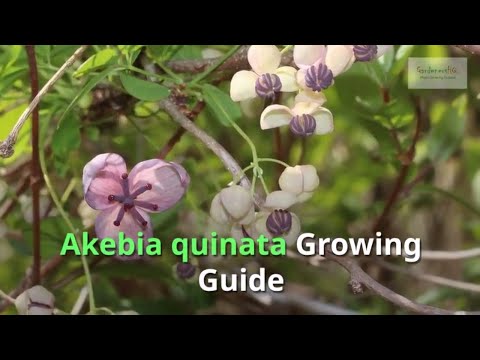
Akebia quinata, commonly known as chocolate vine, is a captivating climbing vine renowned for its fragrant, chocolate-scented flowers and edible fruit. Cultivating this unique plant from seed can be a rewarding experience, offering a sense of accomplishment and the joy of nurturing life from its very beginning. However, germinating Akebia quinata seeds requires patience and a bit of know-how. This guide will provide a comprehensive overview of the process, empowering beginners to successfully cultivate this beautiful and versatile vine.
The first step in growing Akebia quinata from seed is obtaining fresh, viable seeds. These can be harvested from mature fruits, which typically ripen in late summer or early fall. Once harvested, the seeds should be cleaned and dried thoroughly to prevent mold growth. It is crucial to note that Akebia quinata seeds exhibit a phenomenon known as dormancy, meaning they require a period of cold stratification to break their dormancy and initiate germination. This process mimics the natural conditions experienced by seeds in their native habitat.

Germination typically occurs within 2 to 4 weeks, but it can take longer depending on the seed’s viability and environmental conditions. During this time, it is essential to maintain a consistent temperature between 65°F and 75°F (18°C and 24°C) and provide adequate light. Once the seedlings have developed a few true leaves, they can be transplanted into larger pots or directly into the garden. When planting outdoors, choose a location that receives partial shade and has well-drained soil. Akebia quinata thrives in moist conditions but can tolerate some drought.
As the vine grows, it will require regular watering, especially during dry periods. Fertilizing with a balanced fertilizer once a month during the growing season will promote healthy growth. Akebia quinata is a vigorous climber and can reach heights of 20 to 30 feet. It is essential to provide a sturdy support structure, such as a trellis or fence, to allow the vine to climb and spread. Pruning is also recommended to maintain the vine’s shape and encourage bushier growth.
Growing Akebia quinata from seed can be a rewarding and fulfilling experience. By following these steps and providing the necessary care, beginners can successfully cultivate this beautiful and versatile vine, adding a touch of elegance and fragrance to their gardens. The process may require patience and attention, but the satisfaction of nurturing life from seed to maturity is truly unparalleled.
The Health Benefits
The seeds of Akebia quinata are rich in various bioactive compounds, including flavonoids, phenolic acids, and saponins. These compounds have been linked to a range of health benefits, including antioxidant, anti-inflammatory, and anti-cancer properties. Flavonoids, in particular, are known for their ability to scavenge free radicals, which can damage cells and contribute to chronic diseases.
One of the most notable benefits attributed to Akebia quinata seeds is their potential to improve cardiovascular health. Studies have shown that the seeds can help lower blood pressure and cholesterol levels, both of which are major risk factors for heart disease. This effect is likely due to the presence of flavonoids and other bioactive compounds that can relax blood vessels and reduce inflammation.
Furthermore, Akebia quinata seeds have demonstrated anti-diabetic properties. Research suggests that the seeds can help regulate blood sugar levels by enhancing insulin sensitivity. This effect is attributed to the presence of saponins, which have been shown to improve glucose uptake and utilization in cells.

While the research on the health benefits of Akebia quinata seeds is still in its early stages, the preliminary findings are promising. The seeds hold potential as a natural source of antioxidants, anti-inflammatory agents, and anti-cancer compounds. However, it is important to note that more research is needed to fully understand the mechanisms of action and the optimal dosage for human consumption.
As with any dietary supplement, it is crucial to consult with a healthcare professional before incorporating Akebia quinata seeds into your diet. They can provide personalized advice based on your individual health needs and any potential interactions with existing medications. While the seeds offer potential health benefits, they should not be considered a substitute for conventional medical treatment.
A Sustainable and Eco-Friendly Food Source
The seeds of Akebia quinata are small, black, and encased in a fleshy, sweet-tasting fruit. While the fruit itself is often consumed, the seeds are typically discarded. However, these seeds are not merely a waste product; they are a valuable source of protein, fiber, and essential nutrients. Their flavor is described as nutty and slightly sweet, reminiscent of roasted coffee beans. This unique flavor profile makes them a potential ingredient in various culinary applications, from snacks and desserts to savory dishes.
The sustainability of Akebia quinata seeds as a food source stems from the plant’s natural resilience and adaptability. Akebia quinata is a hardy vine that thrives in a variety of climates and soil conditions, requiring minimal care and resources. Its ability to grow readily without the need for extensive irrigation or fertilization makes it an environmentally friendly option compared to traditional agricultural crops. Furthermore, the plant’s prolific seed production ensures a consistent and abundant supply of this valuable food source.
Beyond its sustainability, Akebia quinata seeds offer a range of nutritional benefits. They are rich in protein, providing a valuable source of amino acids essential for human health. Additionally, they are high in fiber, which aids in digestion and promotes gut health. The seeds also contain essential minerals such as iron, calcium, and magnesium, contributing to overall well-being.
The potential of Akebia quinata seeds as a food source has only recently begun to be explored. However, their unique flavor, nutritional value, and sustainable nature make them a promising addition to the culinary landscape. As awareness of the benefits of this overlooked ingredient grows, it is likely to gain popularity among chefs and food enthusiasts alike.
The use of Akebia quinata seeds aligns with the growing global movement towards sustainable and eco-friendly food practices. By embracing this underutilized resource, we can contribute to a more sustainable food system while enjoying the unique flavors and nutritional benefits it offers. As we continue to explore the potential of Akebia quinata seeds, we may discover even more ways to incorporate this versatile ingredient into our diets and contribute to a healthier and more sustainable future.

Q&A
## Akebia Quinata Seeds: 5 Questions & Answers
**1. What are Akebia Quinata seeds?**
Akebia Quinata seeds are the seeds of the Akebia Quinata plant, a climbing vine native to East Asia.
**2. What do Akebia Quinata seeds look like?**
They are small, black, and oval-shaped, resembling tiny beans.
**3. Are Akebia Quinata seeds edible?**
Yes, but they are not typically consumed due to their hard texture and lack of flavor.
**4. What are Akebia Quinata seeds used for?**
They are primarily used for propagation, as they can be planted to grow new Akebia Quinata plants.
**5. Are Akebia Quinata seeds poisonous?**
No, they are not poisonous. However, they are not considered a food source and should not be consumed in large quantities.Akebia quinata seeds are a potential source of bioactive compounds with antioxidant and anti-inflammatory properties. Further research is needed to fully understand their potential health benefits and safety for human consumption.