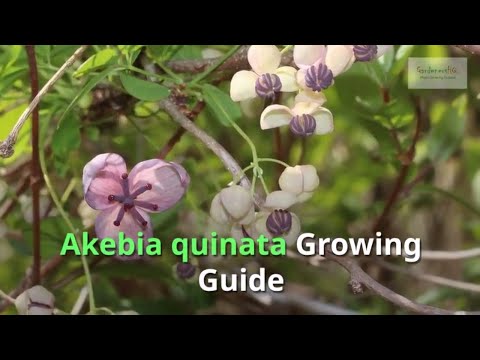
Akebia quinata, commonly known as chocolate vine, is a vigorous, deciduous vine that is native to East Asia. It is prized for its fragrant, chocolate-scented flowers that bloom in early spring, followed by edible, purple-skinned fruits that resemble small bananas. The vine’s attractive foliage, which turns a beautiful golden yellow in autumn, adds further appeal.
Pruning Akebia Quinata for Optimal Growth
The best time to prune Akebia quinata is in late winter or early spring, before new growth emerges. This allows you to clearly see the vine’s structure and make informed pruning decisions. During this dormant period, the vine is less likely to bleed sap, which can weaken the plant. However, if necessary, you can also prune Akebia quinata in summer after flowering.
When pruning Akebia quinata, the primary goal is to remove any dead, diseased, or damaged branches. These branches can harbor pests and diseases, and their removal helps to improve the overall health of the vine. Additionally, you can prune out any branches that are growing in an undesirable direction or are interfering with other plants.
To encourage a more compact and bushy growth habit, you can also prune back the tips of the main stems. This will stimulate the growth of side branches, creating a fuller and more dense vine. However, it’s important to note that Akebia quinata is a naturally vigorous vine, so even with regular pruning, it will still require some space to grow.

When pruning Akebia quinata, it’s important to use sharp, clean pruning shears. This will help to prevent the spread of diseases and ensure a clean cut. Make sure to cut just above a bud or leaf node, as this will encourage new growth.
Pruning Akebia quinata is a relatively simple process that can be done by most gardeners. By following these tips, you can ensure that your chocolate vine remains healthy, vigorous, and aesthetically pleasing. Remember to prune regularly, remove any dead or damaged branches, and train the vine to your desired shape. With a little effort, you can enjoy the beauty of Akebia quinata for years to come.

The Best Time to Prune
For general maintenance pruning, the best time is in late winter or early spring, just before new growth emerges. This is when the plant is dormant and the sap flow is minimal, reducing the risk of excessive bleeding. During this period, you can remove any dead, diseased, or damaged branches, as well as any stems that are growing in undesirable directions. You can also thin out the vine to improve air circulation and light penetration, which can help prevent fungal diseases.
If you are aiming to control the size and shape of your Akebia quinata, you can prune it more aggressively in late winter or early spring. This is also a good time to remove any suckers that may be growing from the base of the plant. Suckers are unwanted shoots that can compete with the main vine for nutrients and water, ultimately weakening the plant.
For those who are interested in maximizing the flowering potential of their Akebia quinata, it is best to prune after flowering. This is typically in late spring or early summer. Pruning after flowering encourages the plant to produce more flower buds for the following year. However, it is important to note that pruning after flowering may result in a slightly less vigorous growth habit.
In addition to the timing of pruning, it is also important to consider the method. When pruning Akebia quinata, use sharp, clean pruning shears or loppers to make clean cuts. Avoid tearing or crushing the stems, as this can damage the plant and make it more susceptible to disease. When pruning, make cuts just above a bud or leaf node, as this will encourage new growth.
Pruning Akebia quinata is a relatively simple process that can be done by most gardeners. By understanding the best time to prune and the proper techniques, you can ensure that your chocolate vine remains healthy, vigorous, and attractive for years to come. Remember to always wear gloves and protective eyewear when pruning, as the stems of Akebia quinata can be somewhat prickly. With a little care and attention, you can enjoy the beauty and fragrance of this unique and versatile vine for many years to come.
Techniques for Pruning
The best time to prune Akebia quinata is in late winter or early spring, before new growth emerges. This allows you to clearly see the vine’s structure and make informed pruning decisions. However, if you need to prune for aesthetic reasons or to control its growth during the growing season, you can do so without causing significant harm to the plant.
When pruning Akebia quinata, the primary goal is to remove any dead, diseased, or damaged branches. These branches not only detract from the vine’s appearance but also can harbor pests and diseases. Additionally, you should remove any branches that are growing in undesirable directions or are interfering with other plants.
To encourage flowering, you can prune back the vine’s growth by about one-third in late winter or early spring. This will stimulate the production of new growth, which is where the flowers will appear. However, be mindful that pruning too heavily can reduce flowering in the current year.

When pruning Akebia quinata, it’s important to use sharp, clean pruning shears. This will ensure a clean cut and minimize the risk of disease transmission. Make cuts just above a bud or node, which is a point on the stem where a leaf or branch grows. This will encourage new growth to emerge from the bud.
After pruning, you can dispose of the pruned branches in your compost bin or discard them in your yard waste. However, it’s important to note that Akebia quinata can spread through its roots, so it’s best to avoid composting the pruned branches if you are concerned about the vine becoming invasive.
Pruning Akebia quinata is a relatively simple process that can be done by most gardeners. By following these guidelines, you can ensure that your chocolate vine remains healthy, attractive, and under control. Remember to prune regularly, remove dead or damaged branches, and encourage flowering by pruning back the vine’s growth in late winter or early spring. With a little effort, you can enjoy the beauty of Akebia quinata for years to come.

Pruning for Fruit Production
To begin, remove any dead, diseased, or damaged branches. These branches are not only unsightly but also detract from the plant’s overall health and vigor. Next, focus on thinning out the vine. Akebia quinata can become quite dense, and excessive growth can hinder fruit production. By removing some of the older, thicker canes, you create space for new growth and improve air circulation, which helps to prevent disease.
- When thinning, prioritize the removal of canes that are growing in undesirable directions or are blocking sunlight from reaching the interior of the vine. Aim for a balanced structure with a few strong, healthy canes that are evenly spaced. Additionally, prune back any canes that are growing too long or are becoming tangled.
- To encourage fruit production, it’s important to prune back the tips of the new growth. This practice, known as “pinching back,” stimulates the development of lateral branches, which are the primary sites of fruit production. Pinch back the tips of the new growth by about one-third to one-half of their length.
- As Akebia quinata matures, it may develop a few main stems that become quite thick. These stems can be pruned back to encourage the development of new, more productive canes. However, avoid pruning these stems too severely, as this can reduce the plant’s overall vigor.
- Pruning Akebia quinata is a relatively simple process that can significantly improve fruit production. By following these guidelines, you can ensure that your chocolate vine thrives and produces an abundance of delicious fruit. Remember to use sharp, clean pruning tools to minimize the risk of disease transmission.
- In addition to the aforementioned pruning techniques, it’s important to note that Akebia quinata is a self-pollinating plant. This means that a single vine can produce fruit without the need for another plant. However, having multiple vines can increase fruit production and improve pollination.
Finally, remember that pruning is an ongoing process. Regular maintenance throughout the growing season can help to keep your Akebia quinata healthy and productive. By removing any new growth that is growing in undesirable directions or is becoming too dense, you can maintain a balanced structure and encourage fruit production.
Pruning for Shape and Size Control
Pruning Akebia quinata is best done in late winter or early spring, before new growth emerges. This timing allows for the removal of dead, diseased, or damaged branches without disrupting the plant’s active growth cycle. Additionally, pruning during this dormant period helps to prevent excessive bleeding from the vine.
- The first step in pruning Akebia quinata is to remove any dead, diseased, or damaged branches. These branches can be identified by their brown, brittle appearance or by the presence of fungal growth or insect infestations. Cut these branches back to the point where they meet healthy wood.
- Next, focus on shaping the vine. Akebia quinata can be trained to grow in a variety of forms, including a cascading waterfall, a dense screen, or a formal espalier. To achieve the desired shape, prune back any branches that are growing out of bounds or that are interfering with the overall form.
- When pruning for shape, it’s important to consider the vine’s natural growth habit. Akebia quinata tends to grow in a sprawling, cascading manner. To encourage this natural growth pattern, prune back the tips of the branches to promote lateral growth and a fuller, more dense appearance.
- If you’re aiming for a more formal shape, such as an espalier, you’ll need to prune more aggressively. This involves training the branches to grow along a framework, such as a trellis or wall. To achieve this, prune back any branches that are growing out of the desired shape and tie the remaining branches to the framework using soft twine or garden ties.
- Pruning Akebia quinata for size control is also important. If the vine is growing too large, you can prune it back to a desired size. This can be done by cutting back the main stems or by removing entire branches. When pruning for size, it’s important to avoid removing more than one-third of the vine’s foliage at a time.
- Finally, it’s important to use sharp, clean pruning tools to prevent the spread of disease. After pruning, you can dispose of the cuttings in your compost bin or discard them in the trash.
By following these simple pruning guidelines, you can keep your Akebia quinata healthy, vigorous, and well-shaped for years to come. Regular pruning will not only enhance the vine’s appearance but also promote its overall health and longevity.
Q&A
## 5 Questions and Answers about Pruning Akebia Quinata
**1. When is the best time to prune Akebia Quinata?**
**Answer:** Late winter or early spring, before new growth emerges.
**2. What type of pruning is recommended for Akebia Quinata?**
**Answer:** Light pruning to shape and remove dead or diseased branches.
**3. Can Akebia Quinata be pruned heavily?**
**Answer:** Heavy pruning is not recommended as it can reduce flowering and fruit production.
**4. What should I do with the pruned branches?**
**Answer:** You can compost them or dispose of them in your yard waste.
**5. Will pruning Akebia Quinata encourage new growth?**
**Answer:** Yes, pruning can stimulate new growth and maintain a healthy, vigorous plant.Pruning Akebia quinata is essential for maintaining its shape and promoting healthy growth. Regular pruning helps control its vigorous growth, encourages flowering and fruiting, and prevents it from becoming too invasive.