

When I first planted my Black Genoa fig tree in the nutrient-rich soil of my San Diego farm, I had no idea this dark-skinned beauty would become one of my most cherished and productive specimens. Known scientifically as Ficus carica ‘Black Genoa’, this variety goes by several names that you might encounter at farmers’ markets or in nursery catalogs – Black Spanish, Fico Nero, or simply Genoa Black Fig. In Italy, where this cultivar traces its Mediterranean roots, locals affectionately call it “Fico di Genova Nero.”
Standing in my orchard on those perfect Southern California mornings, watching the early sun illuminate the silvery-green foliage, I’m reminded why this particular variety captured my heart. It’s not just another fruit tree; it’s a conversation starter, a reliable producer, and honestly, a testament to how perfectly certain Old World varieties adapt to our coastal microclimate.
Why I Chose This Variety for My Farm
Let me be straight with you – when you’re running a specialty fruit operation focusing on exotic varieties, every tree needs to earn its spot. Space is precious, water is expensive, and customer expectations are sky-high. So why dedicate premium real estate to Black Genoa instead of the dozens of other cultivars available?

Second, the flavor profile is absolutely exceptional. We’re talking deep, rich sweetness with a complex berry-like undertone that makes pastry chefs weep with joy. Third, and this might surprise you, Black Genoa demonstrates remarkable disease resistance compared to some fussier varieties I’ve experimented with.
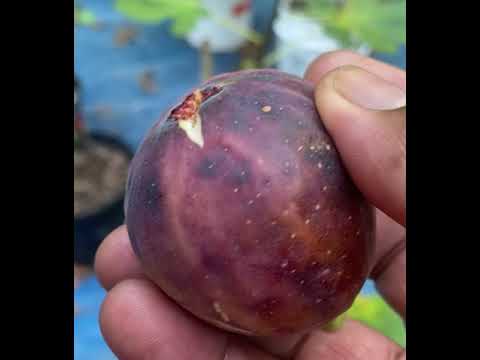
Have you ever bitten into a fig so perfect it changed your entire perception of what fruit could be? That’s the Black Genoa experience. The flesh has this gorgeous strawberry-red interior that contrasts beautifully with the deep purple-black skin. When perfectly ripe, they’re like nature’s candy – jammy, sweet, and incredibly aromatic.

Growing Characteristics and My On-Farm Experience
Here’s something I wish someone had told me before planting my first specimens: Black Genoa figs are moderately vigorous growers that develop into substantial trees if left unpruned. My oldest tree stands roughly fifteen feet tall with an equally impressive canopy spread, creating this wonderful umbrella of shade that I actually utilize strategically in my farm layout.
The leaves themselves deserve mention – they’re large, deeply lobed, and possess that distinctive rough texture that makes fig foliage instantly recognizable. In my microclimate, these trees remain semi-deciduous, dropping most leaves during our mild winters but often retaining some foliage during warmer years. This characteristic actually works beautifully with my intercropping strategy, as the winter leaf drop allows more light to reach understory plants when they need it most.
Performance Data from My Orchard
Let me share some real numbers from my operation, because specifics matter when you’re making farming decisions:
| Growing Parameter | My Observation/Measurement |
|---|---|
| Average Annual Yield (Mature Tree) | 45-60 pounds |
| Fruit Weight | 1.5-2.5 ounces per fig |
| Days from Fruit Set to Harvest | 60-75 days (main crop) |
| Drought Tolerance | Excellent once established |
| Chill Hours Required | Less than 100 (perfect for SD) |
One aspect that continually impresses me is the drought tolerance. Once my trees established their root systems – and we’re talking about that critical second and third year – they became remarkably resilient. During our periodic dry spells, while other fruit varieties showed stress symptoms, the Black Genoa just kept producing. That said, consistent moisture does improve fruit size and prevents that disappointing split-pit condition that can occur with erratic watering.
Cultivation Techniques That Actually Work
Listen, I’ve made plenty of mistakes in my orchard, and figs have taught me humility on more than one occasion. But I’ve also developed some reliable practices that consistently deliver results:
My Essential Growing Requirements:
- Soil: Well-draining loam is ideal, but these trees tolerate various soil types. My property has sandy loam, and the figs absolutely thrive
- Sun Exposure: Full sun is non-negotiable – minimum six hours, but eight-plus hours produces noticeably better crops
- Water Management: Deep, infrequent irrigation beats shallow, frequent watering every time
- Fertilization: Light feeders compared to citrus; I apply compost in spring and occasionally supplement with balanced organic fertilizer
- Pruning Strategy: I maintain an open vase shape for better light penetration and air circulation
Here’s a rookie mistake I made early on: over-fertilizing with nitrogen-rich amendments. The trees responded with excessive vegetative growth at the expense of fruit production. Figs prefer a leaner diet than you might assume. Think Mediterranean hillside, not lush tropical plantation.
My Step-by-Step Pruning Approach
Pruning intimidates many beginning growers, but it’s really quite straightforward once you understand the basics:
- Winter Dormant Pruning (January-February in San Diego): Remove dead, diseased, or crossing branches. Shape the tree to maintain an open center for light and air circulation.
- Summer Tip Pruning (June): Lightly tip prune new growth to encourage branching and potential fruiting wood for next season. Don’t go crazy here – figs fruit on new growth.
- Post-Harvest Cleanup (November): Remove any damaged branches and thin overcrowded areas. This is also when I assess the overall tree structure and plan more aggressive shaping if needed.
- Ongoing Maintenance: Throughout the season, I remove any suckers that emerge from the base or rootstock. These drain energy without contributing to production.
Challenges and Real-World Problem Solving
No fruit crop is perfect, and I’d be lying if I painted Black Genoa as completely problem-free. The biggest challenge in my operation? Birds. Oh my goodness, the birds. Crows, mockingbirds, and scrub jays view my fig trees as their personal buffet. I’ve tried various deterrents with mixed success – reflective tape, fake owls, bird netting. The netting works best but requires significant labor to install and remove properly.
Gophers present another headache. These underground terrorists can girdle young tree roots and seriously damage or kill specimens. I’ve learned to plant with wire baskets around the root zone, which has dramatically reduced losses.
The fig beetle (Cotinis mutabilis) makes occasional appearances, particularly during warm summers. These iridescent green beetles bore into ripening fruit, causing immediate damage and inviting secondary infections. I handle minor infestations with hand-picking and improved sanitation, removing any damaged or overripe fruit promptly.
One subtle challenge worth mentioning: timing the harvest perfectly. Black Genoa figs don’t ripen simultaneously, and the window between perfectly ripe and overripe can be frustratingly narrow. I’ve developed an eye for the subtle color deepening and slight softening that signals peak ripeness. The fruit should yield to gentle pressure and may show slight necking at the stem attachment. Wait too long, and you’ll find fermented, split fruits attracting every yellow jacket in the vicinity.
Market Performance and Customer Feedback
From a business perspective, Black Genoa figs occupy an interesting niche in my product lineup. They command premium pricing – typically $8-12 per pound at farmers’ markets – because they’re genuinely superior to grocery store figs that were picked underripe for shipping durability. My restaurant accounts will pay even more for consistent, same-day delivery of perfect specimens.
The versatility appeals to diverse customer segments. Home cooks purchase them for fresh eating and preserves. Bakers value them for tarts, galettes, and specialty breads. Cheese makers can’t resist pairing them with artisanal varieties. I even have a local brewery that creates a limited-release fig beer using my harvest.
Comparative Analysis of Popular Varieties
To give you context, here’s how Black Genoa stacks up against other varieties I grow:
| Variety | Skin Color | Flavor Profile | My Annual Yield | Primary Use |
|---|---|---|---|---|
| Black Genoa | Purple-black | Rich, sweet, berry notes | High | Fresh market, drying |
| Brown Turkey | Copper-brown | Mild, balanced | Very High | Fresh eating, preserves |
| Kadota | Yellow-green | Sweet, less complex | Medium | Canning, preserves |
| Mission | Purple-black | Intense, sweet | High | Drying, fresh market |
What makes Black Genoa stand out in this comparison? The flavor intensity combined with reliable production creates what I consider the best overall value proposition for specialty growers in Mediterranean climates.
Harvesting and Post-Harvest Handling
Here’s where attention to detail really pays dividends. Figs don’t ripen after harvest – what you pick is what you get. This means timing is everything. I harvest in early morning when fruits are cool and firm, which extends their already-brief shelf life. Each fig gets a gentle twist and pull at the stem attachment, and I’m careful to avoid bruising the delicate skin.
Post-harvest, these beauties require immediate cooling and careful handling. Even under refrigeration, they’ll only maintain peak quality for five to seven days maximum. This short window actually works to my advantage with discerning customers who appreciate the fleeting nature of truly fresh figs. It creates urgency and justifies the premium pricing.
For my own consumption and value-added products, I dry some of the harvest using my solar dehydrator. Black Genoa dries beautifully, concentrating those complex sugars into chewy, intensely flavored treats that keep for months. I’ve also experimented with fig preserves, vincotto-style reductions, and even fig vinegar – all successful applications that extend the value of surplus production.
Why This Variety Deserves Space in Your Garden
Look, I grow fruit professionally, which means I’m ruthlessly pragmatic about what stays and what goes. Black Genoa figs have earned permanent status in my orchard because they deliver on multiple fronts: reliable production, exceptional quality, strong market demand, and relative ease of cultivation once established.
For home gardeners in similar climates, I’d argue these trees offer even more value. Imagine stepping into your backyard on a warm September morning and picking sun-warmed figs for breakfast. That’s not a luxury experience – that’s Tuesday when you’ve got a mature Black Genoa in your landscape. Plus, the trees themselves are genuinely ornamental with that distinctive Mediterranean character that enhances rather than detracts from garden aesthetics.
The learning curve exists, certainly, but it’s manageable. Start with quality nursery stock, choose your planting location wisely (remember: full sun and good drainage), water consistently while the tree establishes, and practice patient pruning. Within three to four years, you’ll have a productive specimen that can continue producing for decades.
Final Thoughts from the Field
Standing among my fig trees as harvest season peaks, sticky sap on my hands and the sweet perfume of ripe fruit in the air, I’m reminded why I chose this profession. Black Genoa figs connect me to ancient agricultural traditions while meeting modern market demands. They’re simultaneously exotic and accessible, finicky and forgiving, Old World and perfectly adapted to California’s Mediterranean climate.
Would I recommend this variety to someone considering their first fig planting?
Absolutely, especially in coastal Southern California and similar zones. The combination of flavor, productivity, and relative ease of cultivation makes Black Genoa an excellent choice for growers at various scales. Just remember – these trees reward attention and patience with years of abundant harvests and some of the finest fruit you’ll ever taste.
Isn’t that what farming should be about? Growing something exceptional, doing it well, and sharing the results with people who genuinely appreciate quality? That’s the Black Genoa promise, delivered in every dark-skinned, ruby-fleshed fruit that leaves my farm.


