
If you have ever stood in the middle of a San Diego July afternoon, feeling the sun beat down on your neck while biting into a fruit that tastes exactly like solidified brown sugar and strawberry jam, you probably already know the magic of the Celestial Fig. Out here in our coastal-to-inland microclimates, we grow a lot of spectacular produce, but few things rival the reliability and sheer sweetness of this specific cultivar.
I distinctly remember planting my first Celestial—often called the “Sugar Fig” by locals or referenced by its scientific name, Ficus carica ‘Celeste’—about fifteen years ago on a south-facing slope. I expected it to be fussy like some of my tropical mangoes, yet it proved to be the workhorse of my orchard.
The Celestial is widely recognized for its “closed eye” (ostiole), which is the small opening at the bottom of the fruit; this tight closure acts as a natural barrier against dried fruit beetles and spoilage bacteria.
Understanding the “Sugar Fig”

Have you ever wondered why some fig varieties turn into a sour, fermented mess before you can even harvest them? It usually comes down to that “eye” I mentioned earlier. Open-eye varieties allow moisture and bugs to enter the fruit cavity, causing internal rot. The Celestial’s tightly closed eye makes it nearly bulletproof against the high humidity mornings we sometimes get during “June Gloom” here in Southern California.
This variety is incredibly cold hardy compared to other figs, capable of withstanding temperatures as low as 15°F (-9°C) once fully established, making it a safe bet even for growers in inland valleys where frost hits occasionally.
Site Selection and Soil Prep
You cannot simply dig a hole and hope for the best. I once ruined an entire batch of young trees by planting them in a low spot of my property that collected runoff; figs hate “wet feet” more than almost anything else. Within three weeks, the leaves yellowed and dropped because the roots were suffocating.
For success, you need a location receiving a minimum of 8 to 10 hours of direct sunlight daily. The soil mechanics are equally critical. You are looking for a sandy loam with a pH between 6.0 and 6.5. If you are dealing with the heavy clay common in parts of San Diego County, you must amend the native soil with 30% organic compost and 10% perlite to ensure drainage.
Build a mound or raised planting area 8 to 12 inches above the surrounding grade to force excess water away from the crown of the tree.
The Planting Process
Getting the tree in the ground correctly sets the trajectory for the next twenty years of production. I treat planting day like a surgical procedure—clean tools, precise cuts, and careful handling.
- Dig the hole: Excavate a space that is two times wider than the nursery pot but no deeper than the root ball itself.
- Root inspection: If the roots are circling the pot (root-bound), slice vertically down the sides of the root ball in four places with a sterilized knife to stimulate new outward growth.
- Placement: Set the tree in the hole so the top of the root ball sits 1 inch higher than the surrounding soil surface.
- Backfill: Fill with your native soil mixture, tamping down firmly with your boot every 4 inches to remove air pockets that kill roots.
- Watering in: Immediately flood the basin with 5 to 7 gallons of water to settle the soil around the fine root hairs.
Think of the soil as a battery storing nutrients; if the connection (the roots) isn’t tight against the terminal (the soil), the energy can’t flow. A loose planting job results in a tree that sits stagnant for years without putting on new growth.
Watering and Feeding: The delicate Balance
Watering is where most people get it wrong. They either treat the fig like a cactus or a water lily. Here at Exotic Fruits and Vegetables, we’ve found that consistency beats volume when it comes to fruit quality. During the first year, your Celestial fig needs 2 to 3 gallons of water three times a week.
Once established (year 3 and beyond), you should shift to deep watering. I give my mature trees roughly 15 to 20 gallons of water once every 7 to 10 days during the summer heat. This forces the roots to dive deep into the subsoil searching for moisture, which makes the tree more drought-resilient in the long run.
Avoid high-nitrogen fertilizers after July 1st, as this encourages lush green growth that will be damaged by winter cold and distracts the tree from ripening the current fruit crop.
For fertilizer, I rely on a balanced NPK ratio of 8-8-8. I apply 1 pound of granular fertilizer for every year of the tree’s age, capping out at 10 pounds for a mature tree, split into three applications: late winter (dormancy break), late spring, and mid-summer. Over-fertilizing a fig tree will result in a gorgeous canopy of giant leaves but zero fruit production.
Harvesting the “Sugar”
When is the right time to pick? This is the million-dollar question. If you pick a fig before it is fully ripe, it will never ripen on the counter. It isn’t like a banana or an avocado in that respect; once the stem is severed, the sugar production stops instantly.
You want to wait for the “droop.” A ripe Celestial fig will sag on its stem, hanging completely vertical as if it has given up on life. The skin should be slightly shriveled, and the texture should feel like a partially filled water balloon. I usually harvest my main crop between late August and September.
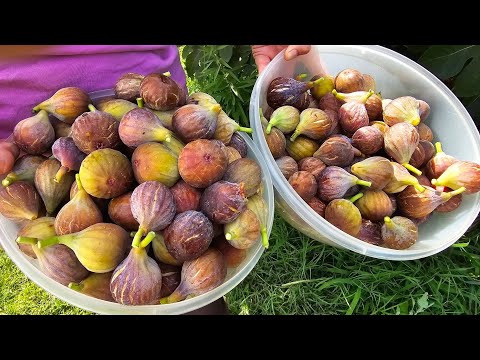
Our team at Exotic Fruits and Vegetables loves this specific harvest window because the Celestial fig tends to dry slightly on the tree without spoiling, intensifying the flavor profile to notes of maple syrup and berry preserves. I harvested 47 pounds of fruit from just two mature trees last season, most of which went straight into jams or the dehydrator.
Varietal Comparison
To give you a better idea of where the Celestial stands in the fig hierarchy, let’s look at how it compares to the other market standard, the Brown Turkey.
| Feature | Celestial (Sugar Fig) | Brown Turkey |
|---|---|---|
| Fruit Size | Small to Medium | Large to Extra Large |
| Flavor Profile | Intense sugar, berry, confectionary | Mild, melon-like, subtle sweetness |
| Eye (Ostiole) | Tightly Closed (Pest Resistant) | Open to Semi-Open (Prone to souring) |
| Cold Hardiness | Excellent (Zones 6-10) | Moderate (Zones 7-10) |
| Best Use | Eating fresh, drying, preserves | Fresh eating, grilling |
Pruning and Maintenance
Pruning a fig tree is somewhat like giving a poodle a haircut; it looks drastic, but it is necessary for health and shape. Figs produce fruit on new wood. If you leave the tree untouched, the productive branches move higher and higher until you need a 20-foot ladder to get a snack.
What’s the real secret to keeping your harvest reachable? Keeping the tree crown open to light and air circulation.
I practice “open center” pruning. In late January, when the tree is dormant and leafless, I remove any branches growing inward toward the trunk. I also top the main scaffold branches at about 6 feet high. This aggressive cut stimulates vigorous new growth in the spring, which is exactly where your next crop will form.
However, be careful with the sap. Fig trees produce a milky white latex sap that is a skin irritant and can cause serious phytophotodermatitis when exposed to sunlight. I always wear long sleeves and nitrile gloves when I’m doing my winter pruning.
Troubleshooting Common Issues
Even the Celestial isn’t immune to everything. While we don’t worry about souring, we do worry about birds. Mockingbirds and Orioles in San Diego have a GPS tracker for ripe figs. I tried hanging reflective tape, but the birds figured that out in two days. The only 100% effective method is netting the tree once the fruit begins to change color.
- Rust Fungus: Orange spots on leaves caused by high humidity. Treat with a copper fungicide or simply remove infected leaves and dispose of them (do not compost).
- Lack of Fruit: Usually caused by too much nitrogen or lack of sunlight. Ensure 8 hours of sun and cut the fertilizer.
- Dropping Fruit: If small figs drop off, it’s usually inconsistent watering. Mulch heavily with 3 inches of wood chips to retain soil moisture.
“The best fertilizer is the gardener’s shadow.” — This old adage is particularly true for figs; daily observation prevents small issues from becoming tree-killing problems.

Final Thoughts
Growing the Celestial Fig has been one of the most rewarding parts of my agricultural journey in San Diego. It is a forgiving, generous tree that asks for very little beyond sunlight and a bit of water. Whether you have a sprawling acre in Julian or a large pot on a patio in Pacific Beach, this tree adapts and delivers.
The combination of pest resistance, cold hardiness, and superior flavor makes the Celestial the undisputed king of home garden figs. If you treat it right, you will be rewarded with buckets of “sugar bombs” that will ruin store-bought figs for you forever.
As fruit enthusiasts at Exotic Fruits and Vegetables, we encourage you to get your hands dirty this season. There is something profoundly grounding about watching those green nodes swell into violet treasures, knowing that the sweetness inside came from your own soil and care.