

Let me tell you something that might surprise you: the plump, jewel-toned fresh figs sitting in my hand right now and those wrinkled, caramel-colored dried specimens in my pantry are worlds apart, yet they’re the exact same fruit. It’s like comparing a butterfly to its chrysalis—both beautiful, both valuable, but offering completely different experiences.
As someone who tends to dozens of common fig trees (Ficus carica) here in sunny San Diego, I’ve developed a deep appreciation for both forms of this ancient Mediterranean treasure. Whether you call them figs, anjeer (as my Indian customers prefer), or higos (the Spanish name I hear often in Southern California), these fruits have captured human imagination for millennia. Today, I want to share what I’ve learned about the fresh versus dried debate, straight from the orchard to your kitchen.
The Tale of Two Figs: Understanding the Fundamental Differences
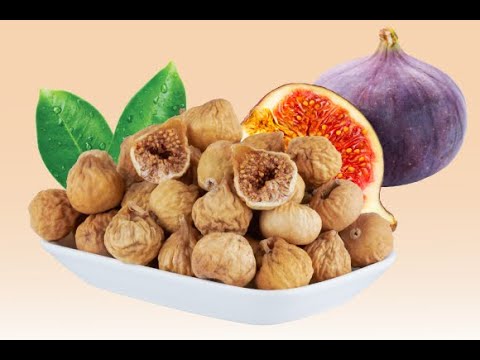
Walking through my grove on a warm September morning, I often pluck a ripe Black Mission fig right off the branch. The skin yields gently under my thumb, and when I tear it open, that gorgeous pink interior glistens with natural sugars. This is fresh fig territory, folks, and there’s simply nothing like it.
Fresh figs are essentially water balloons of flavor—they contain roughly 79% water content. This makes them incredibly perishable. I’ve learned the hard way that you’ve got maybe three to five days max before these beauties start their downward spiral. They’re delicate, require refrigeration, and won’t tolerate much handling. But oh, that taste! It’s a subtle, honey-like sweetness with a slight berry undertone that dances on your tongue.
Now, dried figs? That’s a completely different ballgame. Through the dehydration process, whether sun-dried on wooden trays in my yard or commercially processed, the water content drops to about 30%. What you lose in moisture, you gain in shelf life—we’re talking six months to a year when stored properly. The flavor concentrates dramatically, becoming intensely sweet, almost caramel-like, with a chewy texture that’s oddly addictive.
Here’s a comparison table I put together based on what I’ve observed and measured over countless harvests:
| Characteristic | Fresh Fig | Dried Fig |
|---|---|---|
| Water Content | ~79% | ~30% |
| Calories (per 100g) | 74 | 249 |
| Fiber (per 100g) | 2.9g | 9.8g |
| Sugar Content | Moderate (natural) | High (concentrated) |
| Shelf Life | 3-5 days | 6-12 months |
| Texture | Soft, delicate | Chewy, dense |
| Peak Season | Summer-Fall | Year-round |
| Price Point | Higher (seasonal) | Lower (stable) |
Nutritional Knockout: Which One Wins the Health Battle?
Here’s where things get interesting, and honestly, a bit controversial. People always ask me, “Which one’s healthier?” and I have to tell them: it depends on what you’re after.
Fresh figs are your go-to if you’re watching calories. At roughly 74 calories per 100 grams, they’re a guilt-free snack that won’t derail your diet. They’re also incredibly hydrating—remember that 79% water content? During those scorching San Diego summers, I munch on fresh Brown Turkey figs as a natural way to stay hydrated while getting a vitamin boost.

But hold on—before you dismiss dried figs, let me share something fascinating. Those concentrated nutrients pack a serious punch. We’re talking about:
- Nearly 3.5 times more fiber per serving
- Significantly higher calcium content (162mg vs 35mg per 100g)
- More iron (2mg vs 0.37mg)
- Concentrated potassium levels
- Higher magnesium content
I had a customer, Maria, who struggled with digestive regularity. She started eating three dried Calimyrna figs every morning, and within two weeks, she reported back with enthusiasm about how much better she felt. That fiber concentration in dried figs? It’s no joke. The soluble and insoluble fiber work together like a dream team for your gut.
Key nutritional benefits of dried figs:
- Exceptional source of dietary fiber (9.8g per 100g promotes digestive health)
- Bone-strengthening minerals including calcium, magnesium, and phosphorus
- Natural energy boost from concentrated natural sugars
- Rich in iron, supporting healthy blood circulation
- Potassium content helps regulate blood pressure
- Contains beneficial polyphenols and antioxidants despite processing
However, there’s a catch. Those 249 calories in 100 grams of dried figs? They add up fast. I’ve watched people mindlessly snack through a bag of dried figs while watching TV, not realizing they’ve consumed 500+ calories. Fresh figs, by contrast, are self-limiting—you’ll fill up on water and fiber before overdoing it.

From My Grove to Your Table: Practical Uses and Culinary Adventures
After harvesting hundreds of pounds of figs each season, I’ve gotten creative with both fresh and dried varieties. Let me walk you through what works best for each.
Fresh figs shine when you want to showcase their delicate nature. I love quartering them over arugula with goat cheese, drizzling balsamic reduction, and calling it lunch. The way that soft texture contrasts with crunchy greens and creamy cheese? Chef’s kiss. They’re also phenomenal in desserts—I’ve caramelized fresh Kadota figs with honey and served them over vanilla ice cream for dinner parties, and I’ve yet to see a single one left on anyone’s plate.
But you know what doesn’t work well with fresh figs? Extended cooking. They fall apart, turn mushy, and lose that beautiful appearance. They’re divas that demand gentle treatment.
Dried figs, though? These workhorses can handle anything you throw at them. I’ve simmered them in tagines, baked them into energy bars, chopped them into granola, and even rehydrated them for fig jam. One of my favorite tricks is stuffing them with blue cheese and wrapping them in prosciutto—the salty, creamy, sweet combination creates flavor fireworks.
Here’s my practical guide for choosing between them:
Choose fresh figs when:
- You want a light, refreshing snack
- Making salads or cheese boards
- Creating elegant desserts with minimal cooking
- Seeking maximum hydration and minimal calories
- You can consume them within days
Choose dried figs when:
- Baking breads, muffins, or cookies
- Making energy balls or bars
- Traveling or hiking (portable nutrition)
- Needing long-term storage
- Cooking stews, tagines, or braises
- Wanting concentrated fiber and minerals
The Economics and Sustainability Angle
Let’s talk money for a minute because this matters to both farmers like me and consumers like you. Fresh figs command premium prices—I typically sell them for $8-12 per pound at farmers’ markets. Why? Because they’re seasonal, perishable, and labor-intensive. I’m out there every other day during peak season, carefully hand-picking each fruit at just the right ripeness.
Dried figs, conversely, retail for about $6-10 per pound year-round. They seem cheaper, but remember—you’re getting concentrated nutrition, so you need less. A pound of dried figs represents roughly 3-4 pounds of fresh fruit.

The environmental footprint differs too. Fresh figs need refrigerated transport and storage, consuming energy at every step. Dried figs? They can sit in a burlap sack at room temperature, making them significantly more eco-friendly for long-distance distribution.
My Personal Verdict: It’s Not Really a Competition
After all these paragraphs, you might expect me to crown a winner. But here’s the truth: asking whether fresh or dried figs are “better” is like asking whether summer or winter is better. They serve different purposes in different contexts.
In my home, you’ll find both. During harvest season (typically June through October here in Southern California), we gorge on fresh figs. My kids grab them straight from the trees, and my wife makes fresh fig tarts that disappear within hours. Come January? We’re reaching for those jars of dried figs I prepared months earlier, grateful for their concentrated sweetness and keeping our digestive systems happy during the slower winter months.
The scientific name Ficus carica represents not just a species, but thousands of years of human cultivation and appreciation. Whether you’re biting into a sun-warmed fresh fig or savoring the chewy sweetness of a dried one, you’re participating in an ancient tradition.
If you’re managing blood sugar, fresh figs are probably your better bet—their lower glycemic load and higher water content mean slower sugar absorption. If you’re an athlete needing quick, portable energy, dried figs make more sense. If you’re focused on bone health and iron intake, dried wins. If you’re all about hydration and vitamin C, fresh takes the crown.
Think of it this way: fresh figs are like a perfect summer day—brilliant, fleeting, and impossible to preserve. Dried figs are like memories of that day—concentrated, lasting, and available whenever you need them. Both have their place, both have their magic.
So next time you’re standing in the produce section or farmers’ market, don’t stress about choosing the “right” form. Choose based on what you need right now. Your body, your taste buds, and yes, even farmers like me, will appreciate both. After all, in the grand tradition of fig cultivation that stretches back to ancient Mesopotamia, there’s room for all expressions of this remarkable fruit.
Now if you’ll excuse me, I’ve got a fresh Black Mission calling my name from the tree outside, and a bag of dried Calimyrnas waiting for my afternoon tea. Life’s too short to choose just one.


