
When people visit my farm here in sunny San Diego, they’re always torn between two of my most beloved crops: the ancient, honey-sweet fig and the vibrant, tangy passion fruit. I get it—choosing between Ficus carica and Passiflora edulis is like picking a favorite child. Both have stolen my heart (and a good chunk of my farmland), but they couldn’t be more different in personality, cultivation, and the pure joy they bring to your palate.
Let me take you on a journey through my orchards and vine-covered trellises, where I’ve learned that these two fruits represent entirely different philosophies of farming—and living.
The Tale of Two Fruits: Origins and Character
The common fig, or what some folks around here call the Mission fig or Adriatic fig depending on the variety, has been part of human civilization since, well, practically forever. We’re talking ancient Mesopotamia, biblical references, the whole nine yards. Ficus carica originated in the Mediterranean and Western Asia, and honestly, it thrives here in Southern California like it never left home. My Black Mission figs (Ficus carica ‘Mission’) produce those deep purple-black fruits that taste like liquid candy when perfectly ripe.
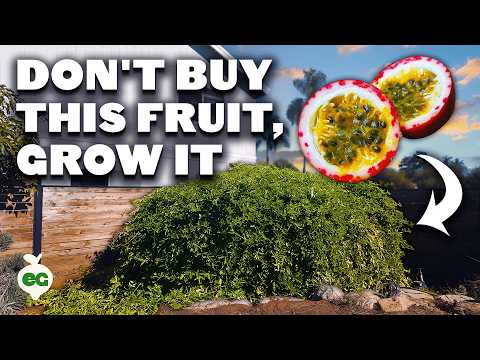
Now, passion fruit—or maracuyá as my Latino customers call it, parcha to Puerto Ricans, and lilikoi to anyone who’s spent time in Hawaii—that’s a completely different beast. Passiflora edulis hails from South America, probably Brazil, and it’s this wild, climbing vine that looks like something from a jungle fever dream. I grow both the purple passion fruit (Passiflora edulis f. edulis) and the golden variety (Passiflora edulis f. flavicarpa), and let me tell you, they’ve got attitude.
Growing These Beauties: What I’ve Learned the Hard Way
Here’s where things get interesting. If figs are the dependable, low-maintenance friend who always shows up on time, passion fruit is that brilliant but high-strung artist who needs constant attention.
Figs: The Mediterranean Gentleman
My fig trees are honestly some of the most forgiving plants I’ve ever grown. They laugh in the face of San Diego’s occasional droughts—their root systems dive deep, searching for water like they’re on a mission. I’ve got a Brown Turkey fig (Ficus carica ‘Brown Turkey’) that barely gets supplemental irrigation during summer, and it still produces hundreds of fruits.

The main challenge? Fig beetles. These metallic green menaces (Cotinis mutabilis, if we’re being scientific) love ripe figs almost as much as I do. My solution involves harvesting slightly early and letting fruits finish ripening indoors—not ideal, but it beats sharing my entire crop with beetles.
Passion Fruit: The Temperamental Diva
Passiflora edulis, on the other hand, demands your attention like a toddler in a candy store. These vines need a sturdy trellis system—and I mean sturdy. I learned this the expensive way when my first wooden structure collapsed under the weight of mature vines heavy with fruit. Now I use galvanized steel posts with heavy-gauge wire, spaced about ten feet apart.
Water management with passion fruit is this delicate dance. They need consistent moisture but absolutely despise wet feet. Root rot (Phytophthora species) will take down a passion fruit vine faster than you can say “tropical fruit.” I’ve installed drip irrigation on timers, delivering water daily during peak summer but backing off dramatically in winter. The soil needs to stay evenly moist, not soaked.
Then there’s pollination. Fig flowers are basically inside-out and self-pollinating (technically, they’re not even flowers in the traditional sense, but inverted inflorescences—how cool is that?). Passion fruit? They’ve got these elaborate, otherworldly flowers that need insect pollinators or hand pollination. Carpenter bees do most of the heavy lifting on my farm, but during slow pollination periods, I’ll spend mornings with a small paintbrush, playing bee and transferring pollen from flower to flower. It’s meditative, actually.
Nutritional Showdown: What’s Inside These Fruits?
Let me break down what you’re actually eating when you bite into these fruits, because the differences are fascinating:
| Nutrient (per 100g) | Fresh Fig | Passion Fruit (pulp) |
|---|---|---|
| Calories | 74 | 97 |
| Carbohydrates | 19g | 23g |
| Fiber | 3g | 10g |
| Vitamin C | 2mg | 30mg |
| Potassium | 232mg | 348mg |
| Vitamin A | 142 IU | 1274 IU |
| Iron | 0.4mg | 1.6mg |
What strikes me about this comparison is how passion fruit absolutely dominates in vitamin C—you’re getting about 50% of your daily requirement in just 100 grams of pulp. That’s why I always recommend it to customers looking for immune support, especially during cold season. Meanwhile, figs bring their own magic with higher levels of calcium and this incredible prebiotic fiber that your gut bacteria absolutely love.
I’ve noticed something interesting about how people use these fruits nutritionally. My health-conscious customers grab passion fruit for their morning smoothies, getting that antioxidant punch from the high vitamin A and C content. Meanwhile, athletes and endurance folks gravitate toward dried figs for that quick, natural sugar boost plus minerals—they’re nature’s energy bars.
Climate and Growing Conditions: Location, Location, Location
San Diego’s Mediterranean climate is basically fig paradise. We’ve got those warm, dry summers with temperatures hovering between 70-85°F, and our mild winters rarely dip below 40°F. My figs go dormant for maybe two months, then wake up ready to rock. They’re hardy down to about 10-15°F, though I’ve never had to worry about that here.
Key climate requirements for successful fig cultivation:
- Full sun exposure (minimum 6-8 hours daily)
- USDA hardiness zones 8-10 (though some varieties tolerate zone 7)
- Annual rainfall of 10-30 inches, or supplemental irrigation
- Well-draining soil with pH between 6.0-6.5
- Protection from strong winds that can damage fruit-laden branches
Passion fruit, though? They’re tropical at heart. Passiflora edulis wants warmth year-round and freaks out if temperatures drop below 32°F. I’ve lost vines to unexpected frosts, which thankfully are rare here in coastal San Diego. But growers even 30 miles inland have it tougher—they sometimes need frost protection blankets.
The purple passion fruit is slightly more cold-tolerant than the golden variety, surviving brief dips to around 28°F. Still, both varieties produce best when nighttime temperatures stay above 55°F and daytime temps range between 75-85°F. Too much heat—we’re talking sustained periods over 95°F—and the flowers drop without setting fruit.

Harvest and Yield: Patience and Timing
Here’s where the personality differences really shine through.
The Fig’s Generous Nature
My mature fig trees produce twice a year—a small breba crop in early summer from last year’s growth, and the main crop in late summer through fall. A well-established tree can yield anywhere from 50 to 100 pounds of fruit per season. My ten-year-old Black Mission produces closer to 120 pounds in a good year.
Harvesting figs is this intuitive process you learn by feel. The fruit should be soft to gentle pressure, and if you’re unsure, look for that tiny drop of nectar forming at the eye (the small opening at the bottom of the fruit). That’s your green light. I harvest every two to three days during peak season, usually in early morning when fruits are cool.
Optimal harvest indicators for figs:
- Fruit droops on the stem rather than standing upright
- Slight softness when gently squeezed
- Color deepens to variety-specific hue (purple-black, brown, or golden)
- Nectar drop appears at the eye
- Slight splits in the skin (though harvest before this if beetles are an issue)
Passion Fruit’s Extended Season
Passion fruit vines are these long-season producers that fruit for months once they get going. My vines start flowering in late spring, and I’m harvesting fruit from July through December—sometimes even January if we have a warm fall. A healthy, mature vine might give me 50-100 fruits per year, though I’ve had exceptional vines produce over 200.
The trick with passion fruit is that you don’t pick them—they pick themselves. When Passiflora edulis fruits are ripe, they drop to the ground. I’ve got landscape fabric under my trellises specifically for catching fallen fruits. Some growers think wrinkled, purple passion fruits are overripe, but that’s actually when the sugar content peaks and the flavor is most intense. Fresh-picked, smooth-skinned passion fruits are tart and not fully developed.
Market Performance and Profitability
Let’s talk business, because at the end of the day, farming needs to pay the bills.
Figs at the San Diego farmers’ markets sell for about $6-8 per pound for fresh fruit. My ten trees occupy maybe 1,500 square feet and produce approximately 800 pounds per season. That’s $4,800-6,400 in gross revenue from a relatively small footprint. The beauty is that figs have name recognition—everyone knows what they’re buying.
Passion fruit is a different market entirely. I charge $1.50-2 per fruit at farmers’ markets, and they sell well to foodie customers and Hispanic and Pacific Islander communities who grew up with maracuyá or lilikoi. A hundred vines on trellises covering about 2,000 square feet might produce 8,000-10,000 fruits annually. Do the math: that’s $12,000-20,000 in potential revenue. The catch? Higher production costs (trellis infrastructure, more intensive labor) and a more niche market.
| Factor | Figs (Ficus carica) | Passion Fruit (Passiflora edulis) |
|---|---|---|
| Initial setup cost | Low ($50-100 per tree) | High ($500+ per 100ft trellis) |
| Water requirements | Low to moderate | Moderate to high |
| Labor intensity | Low | Moderate to high |
| Market recognition | High | Moderate (growing) |
| Price per pound | $6-8 | $10-15 (equivalent weight) |
| Shelf life (fresh) | 3-5 days | 2-3 weeks (whole fruit) |
| Processing potential | High (dried, jam, paste) | High (juice, pulp, concentrate) |
One thing I’ve noticed: passion fruit attracts repeat customers who become almost evangelical about the fruit. Once someone discovers how to use that tangy pulp in cocktails, desserts, or breakfast yogurt, they’re hooked. Figs have steady demand, but passion fruit creates passionate advocates (pun absolutely intended).
Culinary Adventures: From Farm to Table
This is where both fruits really strut their stuff. Fresh Black Mission figs sliced over burrata with a drizzle of balsamic reduction? That’s summer on a plate. I also dry figs in my solar dehydrator—they become these chewy, caramel-sweet nuggets that last for months.
Have you ever noticed how certain flavors transport you somewhere else entirely? Biting into a sun-warmed fig takes me to Mediterranean hillsides I’ve never visited, while passion fruit is pure tropics—even though I’m standing right here in suburban San Diego.
The Verdict: Which Should You Grow?
After countless hours tending both crops, here’s my honest take: if you want reliable, low-maintenance production with strong market demand, go with figs. Ficus carica forgives mistakes, tolerates neglect, and produces abundantly with minimal input. They’re the perfect gateway fruit for beginning farmers or homesteaders.
But if you’re up for a challenge and have the infrastructure for vine crops, passion fruit offers higher profit potential per square foot and a product that’s genuinely exciting in the marketplace. Passiflora edulis rewards attention with these exotic fruits that command premium prices.
Why not both? That’s exactly what I do. My fig trees provide that steady, dependable income, while passion fruit vines add excitement, diversity, and higher margins. They complement each other seasonally too—as fig production winds down in fall, passion fruit is hitting peak production.
Think of it like this: figs are your reliable sedan that starts every morning without complaint. Passion fruit is that vintage sports car that needs tuning but turns heads everywhere. Both get you where you need to go; they just offer different experiences along the way.
Final Thoughts from the Field
Standing in my orchard at dawn, watching the sun illuminate my fig trees while morning glories on the passion fruit vines unfold their blooms, I’m reminded why I chose this life. These aren’t just crops; they’re living connections to ancient agricultural traditions (Ficus carica has been cultivated for over 5,000 years) and tropical biodiversity (Passiflora genus contains over 500 species).
Whether you’re a farmer considering what to plant, a gardener with a sunny backyard, or just a fruit enthusiast wondering which to buy at the market, both figs and passion fruit offer something irreplaceable. They teach patience, reward attention, and produce flavors that simply can’t be replicated by industrial agriculture.
My advice? Visit a local farmers’ market, talk to the growers, taste both fruits at their peak ripeness. Let your palate—and your growing conditions—guide your choice. And if you’re ever in San Diego, stop by my farm. I’ll cut you a fresh fig straight from the tree and crack open a passion fruit. That’s when you’ll really understand what I’m talking about.
Because at the end of the day, whether you’re Team Fig or Team Passion Fruit (or wisely, both), you’re choosing to engage with real food grown by real people. And that, my friends, is always worth celebrating.