
Let me tell you something that never fails to amaze visitors to my San Diego farm – when they see my fig trees (Ficus carica) laden with fruit for what seems like half the year, their jaws practically hit the ground. “Wait, they fruit more than once?” they ask, incredulous. And that’s when I know I’ve got a story to share.
Growing exotic fruits here in Southern California has taught me countless lessons, but my relationship with figs – or what some old-timers around here call “common figs” – has been particularly enlightening. These Mediterranean natives have adapted so beautifully to our climate that understanding their fruiting patterns has become second nature to me. So let’s dive deep into the fascinating world of fig production, shall we?
The Fig Tree’s Fruiting Cycle: It’s More Complex Than You Think
Here’s where things get interesting. Unlike your typical apple or peach tree that gifts you with one harvest per year, Ficus carica operates on an entirely different schedule. Most varieties I grow produce two distinct crops annually, and understanding this pattern has literally doubled my harvest yield.

The second crop – the main event, if you will – develops on the current season’s growth. This is where the magic really happens. From late summer through fall, usually August through October in my experience, the trees become absolutely prolific. I’ve had seasons where a single mature tree has produced over 100 pounds of fruit during this period alone. Can you imagine? That’s enough fresh figs to supply my entire neighborhood’s farmers market stand!
But here’s something that surprised me when I first started: the frequency and abundance of fruiting depend heavily on several factors that I’ll break down for you.

What Makes a Fig Tree Produce More Frequently?
Climate conditions reign supreme. My location in San Diego provides nearly ideal circumstances – mild winters, warm summers, and plenty of sunshine. The Mediterranean climate here mirrors the fig’s ancestral homeland so closely that my trees sometimes perform better than those I’ve seen in actual Mediterranean countries! When temperatures consistently stay between 60-85°F during the growing season, fruiting becomes remarkably predictable.
I remember my first year – I planted three different varieties: Black Mission, Brown Turkey, and Kadota (sometimes called the White Pacific fig locally). The Black Mission, Ficus carica ‘Mission’, absolutely thrived, producing two robust crops. The Brown Turkey gave me reliable harvests but with slightly smaller yields. The Kadota? Well, let’s just say it took a couple of seasons to really hit its stride.
One critical insight I’ve gained: tree age and maturity matter tremendously. A young fig tree might give you a handful of fruit in its second year, but don’t expect abundance immediately. It’s like asking a teenager to do an adult’s job – possible, but not optimal. By year three or four, though? That’s when production ramps up significantly. My seven-year-old Black Mission now produces fruit so reliably I could set my calendar by it.
| Factors Affecting Fig Production Frequency | Impact Level | My Observations |
|---|---|---|
| Climate/Temperature | Critical | San Diego’s Zone 9b-10a is nearly perfect |
| Tree Age | High | Peak production starts year 4-5 |
| Variety Selection | High | Some produce 2 crops, others only 1 |
| Watering Consistency | Moderate-High | Stress reduces fruiting significantly |
| Pruning Practices | Moderate | Over-pruning eliminates breba crop |
| Soil Quality | Moderate | Figs tolerate poor soil but produce less |
My Personal Fruiting Timeline: A Season-by-Season Breakdown
Want to know what an actual year looks like on my farm? Let me walk you through it:
1. Late Winter (February-March): This is pruning time. I’m selective though – too aggressive and I’ll sacrifice my breba crop. I’ve learned this lesson the hard way, trust me. I focus on removing dead wood and maintaining shape rather than heavy cutting.
2. Spring (April-May): The breba figs begin swelling on last year’s wood. These early fruits are typically larger than the main crop and have a slightly different flavor profile – often milder and less intensely sweet. By late May, I’m usually harvesting my first breba figs. There’s something almost ceremonial about that first harvest of the season.
3. Summer (June-August): While the breba crop finishes, the tree is simultaneously developing the main crop on new growth. This is when I’m most vigilant about watering. San Diego might have a Mediterranean climate, but our summers can be brutal. Consistent moisture – not waterlogged, mind you, just consistent – keeps those figs developing properly.
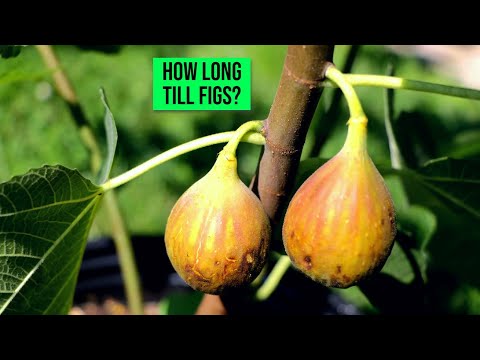
4. Late Summer/Fall (August-October): Peak production time! This is when I’m out checking the trees daily. Figs don’t ripen off the tree, so timing is everything. A ripe fig has a slight give when gently squeezed, and the fruit often develops a tiny crack at the bottom. Miss this window, and the fruit either drops or becomes bird food.
5. Winter (November-January): The trees go dormant. Some varieties hold onto their leaves longer than others, but eventually, they all rest. This dormancy period is crucial – it allows the tree to reset and prepare for the next productive season.
Maximizing Your Fig Production: Lessons from the Field
Through trial, error, and plenty of observation, I’ve developed strategies that consistently increase both frequency and volume of fruiting:
- Strategic Variety Selection: Don’t put all your eggs in one basket. I grow multiple cultivars with staggered production times, effectively extending my harvest season from May through November. The Brown Turkey finishes earlier, while my Black Mission keeps producing well into fall.
- Water Management is Non-Negotiable: Figs are drought-tolerant once established, sure. But “drought-tolerant” doesn’t mean “neglect-tolerant.” During active fruiting, I water deeply once or twice weekly. Inconsistent watering leads to fruit drop and split figs – neither of which makes me happy.
- Feed Them (But Don’t Overdo It): Heavy nitrogen fertilization produces gorgeous green growth but fewer figs. I’ve learned to use balanced fertilizers sparingly in spring and let the trees do their thing. Think of it as the difference between feeding an athlete a balanced diet versus loading them up with protein shakes – balance wins.
- Protection Matters: Birds love figs as much as I do. Netting my trees during peak ripening has increased my actual harvest by at least 40%. Otherwise, I’m basically running a free buffet for every finch and crow in the county.
Here’s a practical comparison showing how different management approaches affect annual yields on my farm:
| Management Approach | Typical Annual Yield per Mature Tree | Crops per Year |
|---|---|---|
| Minimal intervention (water only) | 30-50 lbs | 1-2 |
| Standard care (water, light feeding, minimal pruning) | 70-100 lbs | 2 |
| Intensive management (irrigation, fertilization, netting, pest control) | 100-150+ lbs | 2 |
Understanding Variety-Specific Patterns
Not all figs are created equal, and this is nowhere more evident than in their fruiting habits. Let me break down what I’ve observed with different varieties:
Single-crop producers like the Calimyrna (locally sometimes called Smyrna-type figs) focus their energy on one substantial fall harvest. These are the divas of the fig world – they require pollination by a specific wasp and generally aren’t suitable for home growing here. I don’t cultivate them commercially for this reason.
Reliable two-crop producers include most of my favorites: Black Mission, Brown Turkey, Desert King (though the breba is definitely superior to the main crop on this one), and Violette de Bordeaux. These workhorses give me consistent spring and fall harvests year after year.
Main-crop focused varieties like Kadota and some Italian honey figs produce a small, almost token breba crop, then pour everything into an abundant fall harvest. These are excellent if you want one intensive harvest period rather than managing two separate picking seasons.
Ever wonder why timing matters so much? Here’s the thing – figs develop from tiny formations called synconium (fancy word, right?) that are actually inverted flowers. The entire fruiting structure is essentially a fleshy vessel containing hundreds of tiny flowers inside. When conditions are right – proper temperature, adequate water, sufficient light – these develop into the fruit we harvest. Interrupt those conditions, and production either stops or the fruit never fully develops.
Common Questions I Get Asked
“Do figs fruit year-round in California?” I wish! Even in San Diego’s forgiving climate, figs need their winter rest. However, our long growing season means fruiting can span 6-7 months, which is pretty impressive. I’ve picked ripe figs as late as Thanksgiving some years.
“Can I force a fig tree to produce more often?” Not really, and honestly, why would you want to? The natural rhythm produces the best quality fruit. I tried manipulating production schedules early on through aggressive fertilization and extended irrigation – all I got was lackluster fruit and exhausted trees.
“What about container-grown figs?” Excellent question! I have several potted specimens, and they definitely produce fruit, though less abundantly than in-ground trees. A 15-gallon container fig might give me 20-30 fruits per season compared to 100+ from a mature in-ground specimen. They’re perfect for small spaces or if you want to try varieties that need winter protection.
The Bottom Line: Setting Realistic Expectations
After years of working intimately with these remarkable trees, here’s my honest assessment: in optimal conditions like we have here in San Diego, expect two crops annually from most common varieties once trees mature. That means fruiting activity spans roughly half the year, though actual picking happens in more concentrated periods.
Your first harvest might include just a dozen or two fruits. Be patient. By year five, a healthy tree can easily produce 75-100 pounds of fruit annually. By year ten? I’ve seen single trees produce 200+ pounds in exceptional years.
The beauty of Ficus carica is its reliability once you understand its rhythm. Unlike some temperamental exotic fruits I grow (don’t get me started on my dragon fruit adventures), figs are forgiving and generous. They’ll tolerate less-than-perfect conditions and still reward you with something to harvest.
Think of fig trees like old friends – they need time to get comfortable in their space, consistent care without smothering, and respect for their natural patterns. Give them that, and they’ll produce fruit with a frequency and abundance that continues to surprise me, even after all this time.
So yes, fig trees produce fruit with impressive regularity – typically twice per year in favorable climates, spanning spring through fall. But the real question isn’t just “how often” – it’s “how can you create conditions that allow them to express their full productive potential?” That’s where the real magic happens, and trust me, watching a tree you’ve nurtured transform from a stick in the ground to a prolific producer never gets old.


