

When people ask me what figs taste like, I always pause before answering. It’s like trying to describe a sunset to someone who’s never seen one. Sure, I could say “sweet” or “jammy,” but that barely scratches the surface of what makes Ficus carica one of the most captivating fruits I’ve ever had the privilege to grow here in sunny San Diego.
Let me take you on a journey through the incredible flavor profile of this ancient fruit, drawing from my daily experiences tending to my orchard and savoring each variety at peak ripeness.
The Poetry of Flavor: Understanding What Makes Figs Unique
Have you ever bitten into a perfectly ripe fig straight from the tree? If you have, you know exactly what I’m talking about. If you haven’t, well, prepare yourself for one of nature’s finest culinary experiences. The common fig, as many folks call it, delivers a taste sensation that’s simultaneously familiar and exotic.

Working with these trees in San Diego’s Mediterranean climate has taught me that sunshine is the secret ingredient. Our warm days and cool nights create the perfect environment for sugar development. I’ve noticed that figs grown here in Southern California often achieve a sweetness level between 16-22% on the Brix scale, which measures sugar content. That’s comparable to honey or some of the sweetest melons you’ll find at the farmer’s market.
Variety is the Spice of Life: Exploring Different Fig Cultivars
One of the most fascinating aspects of growing Ficus carica is discovering how dramatically taste varies between cultivars. In my orchard, I maintain several varieties, and each one tells its own delicious story.
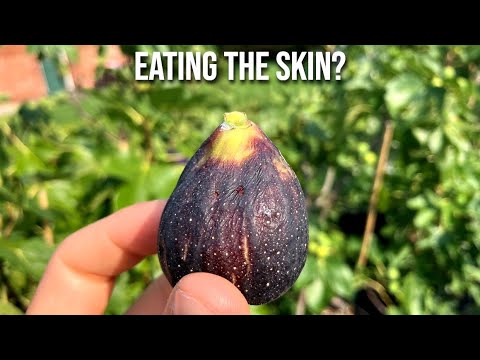
Black Mission Figs are my personal favorites for eating fresh. These dark purple beauties, sometimes called Franciscana locally due to the Spanish missionaries who introduced them to California, offer an intensely sweet flavor with berry undertones. When you bite through that tender skin, the jammy flesh inside releases a complex bouquet that reminds me of strawberry preserves mixed with molasses.
Then there are the Kadota figs – those beautiful green-skinned specimens that many people overlook at the market. Don’t make that mistake! Kadotas deliver a milder, more delicate sweetness with pronounced honey notes. They’re less figgy, if that makes sense, and more purely sweet. I love serving these to folks who claim they don’t like figs; they usually change their minds.
The Brown Turkey, or as some old-timers in my neighborhood call it, the Spanish fig, sits somewhere in the middle. It’s got that classic fig taste – rich and sweet with a slight earthiness that grounds all that sugar. The texture is magnificent too, with seeds that provide a pleasant crunch without being intrusive.

Here’s a comparison table I’ve put together based on my tasting notes:
| Variety | Sweetness Level | Dominant Flavor Notes | Texture Profile | Best Use |
|---|---|---|---|---|
| Black Mission | Very High | Berry, molasses, jam | Dense, moist | Fresh eating, baking |
| Kadota | Medium-High | Pure honey, floral | Light, delicate | Fresh, preserves |
| Brown Turkey | High | Balanced fig, caramel | Medium density | Versatile |
| White Adriatic | Medium | Subtle, nutty | Fine-grained | Drying, fresh |
The Sensory Symphony: Beyond Just Taste
When I conduct orchard tours, I always emphasize that tasting a fig is a full sensory experience. The flavor is just one component of what makes these fruits so special.
The texture is crucial. A perfectly ripe fig has this incredible give when you press it gently – not mushy, but yielding, like a stress ball that’s been warmed in the sun. The skin provides a slight resistance, then your teeth break through to the soft, almost custard-like interior. Those tiny seeds? They add a delightful crunch and a subtle nuttiness that complements the sweet flesh.
The aroma is another dimension entirely. Fresh figs emit this intoxicating scent that’s part honey, part green leaf, part something indefinably fruity. When I’m harvesting in the morning, that fragrance fills the air around my trees. It’s one of those smells that instantly transports you – if I catch a whiff of ripe figs, I’m immediately back in my childhood, visiting my grandmother’s garden where she grew a single, ancient fig tree.
Temperature matters too. Cold figs from the refrigerator? Sure, they’re refreshing, but you’re missing half the experience. Room temperature figs, or better yet, sun-warmed ones picked fresh off the branch, release their full aromatic potential and deliver maximum flavor impact.
From Tree to Table: How Growing Conditions Shape Flavor
Here’s something most people don’t realize: the same variety can taste remarkably different depending on where and how it’s grown. San Diego’s climate gives me certain advantages, but it also presents challenges that directly impact flavor development.
Water management is critical. Too much irrigation dilutes the sugars, creating bland, watery fruits. Too little water, and the figs become shriveled and overly concentrated – sometimes to the point of being unpleasant. I’ve learned through trial and error (mostly error, if I’m being honest) that controlled water stress actually improves flavor. About three weeks before harvest, I reduce watering significantly. This signals the tree to concentrate sugars in the developing fruits.
Soil composition plays a surprising role too. My orchard sits on slightly sandy loam with good drainage, which figs absolutely love. I’ve compared notes with growers in other parts of California working with heavier clay soils, and they report slightly different flavor profiles even with identical varieties. The mineral content of the soil subtly influences the taste – it’s like terroir in wine grapes.
Key factors affecting fig flavor in my experience:
- Sunshine exposure (more sun = sweeter fruits)
- Water stress timing (strategic reduction intensifies flavor)
- Soil drainage (better drainage = more concentrated sugars)
- Harvest timing (patience is everything)
- Tree age (mature trees produce more complex flavors)
The Art of Perfect Timing: Harvesting for Peak Flavor
You know what’s funny? People often ask me when figs are “ready,” expecting a simple date or a color indicator. I wish it were that easy! Harvesting figs at their peak is more art than science, and it directly determines how good they taste.
A ripe fig undergoes several changes simultaneously. The skin softens and often develops a slight wrinkle or cracking near the stem. The fruit hangs slightly downward rather than pointing upward. When you touch it gently, it yields to pressure but doesn’t collapse. Most importantly, the neck of the fig – that little area where the fruit connects to the stem – should have a slight give.
I’ve learned to trust my senses completely. Sometimes I’ll pick a fig that looks perfect but tastes disappointingly bland because I jumped the gun. Other times, a somewhat unpromising-looking specimen delivers mind-blowing flavor because the timing was exactly right. According to data from UC Davis agricultural extension services, figs picked even one day too early can have 30-40% less sugar development than fully ripened fruits. That’s a massive difference on your palate!
Here’s my harvesting checklist in order of importance:
- Check the neck area for softness
- Observe the overall fruit position (should hang downward)
- Look for slight skin wrinkling or color deepening
- Gently squeeze the whole fruit for appropriate give
- If all signs are positive, taste test one fruit before harvesting the rest
Culinary Adventures: How Taste Transforms with Preparation
Fresh figs are glorious, but their taste transforms beautifully through different preparation methods. I love experimenting in my kitchen with the fruits from my orchard, and I’ve discovered some fascinating flavor evolutions.
Drying figs concentrates everything. That honey sweetness intensifies dramatically, and new caramel notes emerge through the dehydration process. I sun-dry some of my harvest each season, and the resulting flavor is completely different from fresh – deeper, more complex, almost wine-like. Dried figs also develop this incredible chewiness that makes them addictive.
Grilling figs is another game-changer. When you halve them and place them cut-side down on a hot grill, the natural sugars caramelize, creating this incredible contrast between the charred exterior and the soft, jammy interior. I often serve these at dinner parties drizzled with honey and topped with goat cheese. The slight bitterness from the char perfectly balances the fruit’s sweetness.
Roasting in the oven produces yet another flavor profile. At 375°F for about 15-20 minutes, figs become almost marmalade-like, their flavor intensifying while developing subtle toasted notes. I’ve used roasted figs in everything from pizza toppings to ice cream bases, and they never disappoint.
The Health Halo: Sweet Nutrition in Every Bite
Here’s the thing about figs that really excites me as a grower: they taste like dessert but pack substantial nutritional benefits. This isn’t just delicious fruit; it’s functional food.
The sweetness in figs comes primarily from natural fructose and glucose, making them a healthier alternative to processed sugar treats. Each medium fresh fig contains only about 37 calories but delivers significant fiber content. That fiber isn’t just good for digestion – it actually slows the absorption of those natural sugars, preventing the blood sugar spikes you’d get from candy or cookies.
Beyond the basics, figs contain impressive amounts of potassium, calcium, and magnesium. I always tell visitors to my orchard that they’re essentially eating a sweet mineral supplement. The antioxidant profile is notable too, particularly in darker varieties like Black Mission.
| Nutritional Component | Amount per 100g Fresh Figs | Percentage of Daily Value |
|---|---|---|
| Calories | 74 | 3-4% |
| Fiber | 2.9g | 10-12% |
| Potassium | 232mg | 5-7% |
| Calcium | 35mg | 3-4% |
| Natural Sugars | 16g | Variable |
My Personal Tasting Rituals and Recommendations
Over time, I’ve developed specific ways I prefer to enjoy different varieties. For Black Mission figs, nothing beats eating them fresh at room temperature, maybe with a tiny sprinkle of sea salt to amplify the sweetness. The salt creates this incredible sweet-savory contrast that makes each bite more interesting.
Kadota figs, with their milder flavor, pair beautifully with strong cheeses. I’m talking aged manchego, sharp cheddar, or creamy blue cheese. The fig’s gentle sweetness provides counterpoint without overwhelming the cheese’s complexity.

What’s the best fig I’ve ever tasted? That’s easy. It was a Black Mission picked from one of my oldest trees on an August afternoon when the temperature hit 85°F. I ate it standing in the orchard, still warm from the sun, juice running down my chin. The flavor was transcendent – pure concentrated summer sunshine with layers of sweetness, hints of raspberry, and that distinctive figgy richness that’s impossible to describe but impossible to forget.
Wrapping Up This Delicious Journey
So what do figs taste like? They taste like honey dripping from the comb, like berry jam spread on warm toast, like caramel with a whisper of nuts. They taste like summer afternoons and ancient Mediterranean groves. They taste like nature showing off.
But more than any specific flavor note, figs taste like possibility. Each variety offers something different, each growing season produces subtle variations, and each bite delivers a complex symphony of sweetness, texture, and aroma that changes depending on ripeness, temperature, and preparation method.
Growing Ficus carica here in San Diego has taught me patience, attention to detail, and deep appreciation for how environmental factors shape flavor. Every time I bite into a perfectly ripe fig from my orchard, I’m reminded why I love this work. These ancient fruits, cultivated for thousands of years across Mediterranean cultures, still have the power to surprise and delight.
If you’ve never experienced a truly ripe, fresh fig, I encourage you to seek one out. Visit a farmer’s market, find a local grower, or better yet, plant your own tree. The taste of a perfect fig isn’t something you can fully appreciate through description alone – you have to experience it yourself. Trust me, it’s worth the effort.


