

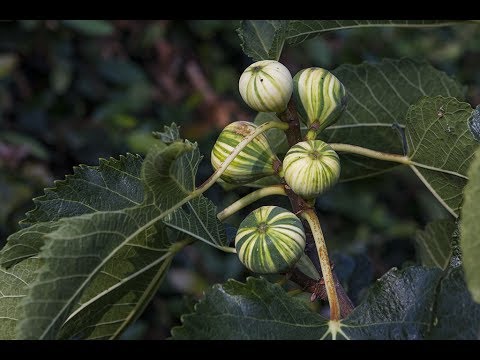
When I first stumbled upon Ficus carica ‘Tiger’ at a specialty nursery years back, I honestly thought someone had painted those striking yellow and green stripes onto the fruit. But no – this remarkable cultivar, also known as Panachée, Tiger Stripe Fig, or simply the striped fig in some circles, produces these naturally candy-cane colored beauties right here in my Southern California orchard. And let me tell you, once you’ve tasted the honey-sweet, strawberry-tinged flesh of a perfectly ripe Tiger fig, there’s no going back to ordinary varieties.
What Makes the Tiger Fig So Special?
The Tiger fig isn’t just another pretty face in the fig world, though its appearance certainly turns heads at farmers’ markets. This French heirloom variety brings something truly unique to the table – literally. While most folks around San Diego know it as the Tiger fig, some old-timers still call it by its French name, Panachée, which roughly translates to “variegated” or “striped.” The scientific designation remains Ficus carica, same as all common figs, but this particular cultivar stands out like a zebra in a horse stable.

The fruit itself typically measures about 2-3 inches in length, with that gorgeous golden-yellow skin decorated with distinctive green tiger stripes. But here’s where it gets really interesting – as the fig ripens, those stripes can take on a reddish or brown hue, creating an ever-changing canvas of color. The interior reveals a stunning amber to strawberry-red flesh that’s not just beautiful but incredibly flavorful. Think of biting into nature’s candy – that’s the Tiger fig experience.
My Experience Growing Tiger Figs in San Diego’s Unique Climate
I’ve got about fifteen Tiger fig trees scattered throughout my property, and each one has taught me something different about this variety. Unlike some of the more temperamental exotic fruits I grow – looking at you, dragon fruit – Tiger figs are surprisingly forgiving once you understand their basic needs.
Key Growing Requirements:
- Well-draining soil with pH between 6.0-6.5
- Full sun exposure (at least 6-8 hours daily)
- Moderate water during growing season
- Minimal fertilization – these trees don’t appreciate being overfed
- Annual pruning to maintain shape and productivity
- Protection from gophers and birds during fruiting season
The first year I planted my Tiger figs, I made the rookie mistake of overwatering. Figs, I quickly learned, prefer to have slightly dry conditions once established. They’re actually quite drought-tolerant, which makes them perfect for California’s increasingly water-conscious agricultural landscape. Now I water deeply once a week during summer, and maybe twice a month in winter if we’re having a particularly dry spell.
One thing that constantly surprises visitors to my farm is how quickly these trees can grow. In optimal conditions, a Tiger fig can put on 12-24 inches of growth per year. I’ve had trees go from small 5-gallon pot plants to productive 10-foot specimens in just three seasons. That’s the kind of return on investment that makes a farmer smile.
Harvest Season and Fruit Production
Here’s where growing Tiger figs gets really fun. Unlike some fig varieties that only produce one crop per year (called breba crops), Tiger figs typically give you two harvests annually. The first comes in early summer on the previous year’s wood, and the main crop arrives in late summer through fall on new growth. This extended harvest window means I’m bringing Tiger figs to market from June through October, which my customers absolutely love.
The tricky part? Knowing exactly when to harvest. A Tiger fig might look ripe with its beautiful striped exterior, but if you pick it too early, you’ll get a bland, disappointing fruit. I’ve learned to look for specific signs: a slight softening of the fruit, a bend in the neck where the fig hangs from the branch, and sometimes a small split or “eye” opening at the bottom. When you gently squeeze a ripe Tiger fig, it should give slightly, like a ripe peach.
Let me share some actual numbers from my operation. Last season, my mature Tiger fig trees averaged about 50-80 pounds of fruit per tree. That might not sound like much compared to commercial orchards growing oranges or avocados, but when you’re selling premium figs at farmers’ markets for $8-12 per pound, those numbers start looking pretty attractive. One of my best-producing trees gave me 94 pounds across both harvests, which translated to over $800 in revenue from a single tree.
Comparative Analysis: Tiger Figs vs. Other Common Varieties
| Characteristic | Tiger Fig (Panachée) | Black Mission | Brown Turkey | Kadota |
|---|---|---|---|---|
| Skin Color | Yellow-green striped | Dark purple | Brown-purple | Yellow-green |
| Flesh Color | Amber-red | Deep red | Pink | Amber |
| Sweetness Level | Very High | High | Medium | Medium-High |
| Cold Hardiness | Zone 7-10 | Zone 7-10 | Zone 6-9 | Zone 7-10 |
| Average Fruit Size | Medium-Large | Medium | Large | Medium |
| Market Price Premium | 40-60% higher | Standard | Standard | Standard |
This comparison really highlights why I’ve dedicated so much of my orchard space to Tiger figs. That price premium isn’t just about novelty – customers are willing to pay more because the eating experience genuinely justifies the cost. I’ve had chefs from high-end San Diego restaurants specifically request my Tiger figs for their dessert menus because of that unique flavor profile.
Challenges and Solutions in Tiger Fig Cultivation
Would I be honest if I said growing Tiger figs was all sunshine and sweetness? Not quite. We’ve got our share of challenges here in San Diego, though I’d argue they’re manageable compared to many other specialty crops.
The Top Five Challenges I Face:
- Bird damage – Those clever birds know good fruit when they see it, and they’ll strip a tree clean if you let them
- Fig beetles – These iridescent pests bore into ripening fruit, making them unmarketable
- Gophers – They absolutely love fig roots and can kill a young tree in weeks
- Fruit splitting – Irregular watering or late-season rains can cause mature fruit to split
- Rust disease – While not usually fatal, it can defoliate trees and reduce production
For bird protection, I’ve found that lightweight bird netting works wonders, though you’ve got to install it carefully to avoid trapping birds inside. I use a frame system that keeps the netting suspended above the canopy. As for beetles, timing is everything – harvesting fruit at the perfect moment of ripeness leaves less opportunity for these insects to cause damage.
The gopher situation required a more permanent solution. After losing two young trees to these underground raiders, I now plant all new figs in wire baskets that protect the root zone. It’s extra work upfront, but it’s saved me countless replacement trees and a lot of frustration.
Culinary Applications and Market Opportunities
Have you ever wondered why some fruits become superstars while others remain obscure? With Tiger figs, I think we’re watching a variety move from relative obscurity to mainstream appeal, at least in foodie circles. The stunning appearance makes them Instagram-worthy (yes, that matters for sales!), but it’s the flavor that keeps customers coming back.
I’ve seen my Tiger figs used in everything from artisanal pizzas to high-end cheese boards, incorporated into craft cocktails at local bars, and featured in desserts at farm-to-table restaurants. One pastry chef told me she specifically waits for my Tiger figs each year to make her signature tart because no other variety delivers the same visual impact and complementary sweet-tart flavor.
Nutritional Profile and Health Benefits
| Nutrient | Per 100g Fresh Tiger Figs | % Daily Value |
|---|---|---|
| Calories | 74 | 4% |
| Fiber | 2.9g | 12% |
| Potassium | 232mg | 7% |
| Calcium | 35mg | 4% |
| Vitamin K | 4.7mcg | 6% |
| Natural Sugars | 16g | – |
Beyond the delicious taste, I appreciate being able to tell customers that they’re getting genuine nutritional benefits from my Tiger figs. The high fiber content supports digestive health, while the potassium helps with blood pressure regulation. These aren’t just empty-calorie treats – they’re nutrient-dense whole foods that happen to taste amazing.
The Economic Reality of Small-Scale Tiger Fig Production
Let’s talk money for a moment, because that’s what keeps farms running. My Tiger fig operation occupies roughly a quarter-acre of my property, representing about fifteen mature trees and ten younger specimens. Between direct-to-consumer sales at three weekly farmers’ markets and wholesale accounts with local restaurants, my Tiger fig enterprise generated approximately $24,000 in gross revenue last season.
Now, that doesn’t mean I pocketed $24,000. Labor costs, especially during harvest season, eat up a significant portion. Netting materials, irrigation supplies, and organic pest control products add up. But compared to the initial investment – which was basically the cost of the trees, some soil amendments, and irrigation setup – the return has been solid. Most importantly, the margin on Tiger figs exceeds what I make on many other crops because of that premium pricing.
Think of it this way: would you rather sell 100 pounds of conventional produce at $2 per pound, or 50 pounds of specialty Tiger figs at $10 per pound? The labor required for harvesting and handling is roughly the same, but the economic outcome is dramatically different. That’s the beauty of focusing on unique, high-quality specialty crops.

Looking Forward: The Future of Tiger Fig Cultivation
As climate patterns continue shifting and water becomes increasingly precious in California, I believe crops like Tiger figs will become more important for sustainable agriculture. They’re drought-tolerant once established, require minimal chemical inputs, and can thrive in small spaces – making them perfect for urban agriculture initiatives and backyard orchardists alike.
I’ve started propagating my own Tiger fig trees from cuttings, which is remarkably easy with this species. A healthy hardwood cutting taken during winter dormancy has about an 80% success rate in my experience. This means I can expand my operation without significant capital investment, and I’ve even started selling rooted cuttings to other local farmers interested in diversifying their fruit offerings.
The demand keeps growing too. What started as a curiosity item at farmers’ markets has become one of my most anticipated seasonal offerings. Customers now ask when the Tiger figs will be ready, plan their market visits around harvest season, and even pre-order quantities for canning and preserving. That kind of customer loyalty is priceless in the competitive Southern California agricultural market.
Final Thoughts
Growing Tiger figs here in San Diego has been one of the most rewarding decisions I’ve made as a specialty fruit farmer. These striped beauties combine visual appeal, exceptional flavor, and practical growing characteristics in a way that few other crops match. Whether you call them Tiger figs, Panachée, or striped figs, they represent the kind of unique agricultural opportunity that helps small-scale farmers like myself compete in an increasingly consolidated food system.
Are they the easiest crop I’ve ever grown? Not quite – but they’re far from the most difficult. Do they require perfect conditions? Nope, they’re actually quite adaptable. What they do require is patience, attention to detail, and a willingness to learn from each season’s successes and failures. In return, they’ll reward you with fruit so beautiful and delicious that people will drive across town just to get their hands on a few pounds.
For anyone considering adding Tiger figs to their San Diego garden or small farm operation, I say go for it. Start with one or two trees, learn their rhythms, understand their needs, and watch as these remarkable plants transform your relationship with fresh fruit. Trust me – once you’ve experienced a sun-warmed Tiger fig, fresh off the tree on a September morning, you’ll understand exactly why I dedicated so much of my orchard to these striped treasures.


