

There’s something almost magical about walking through my orchard on a warm August morning and spotting those first amber-colored figs hanging heavy on the branches. They glow like little lanterns in the early light, and I swear they seem to call out, “We’re ready!” After growing dozens of exotic fruit varieties here in San Diego—from cherimoya to dragon fruit—I can honestly say that yellow figs hold a special place in my heart and on my farm’s balance sheet.

What Exactly Are Yellow Figs?
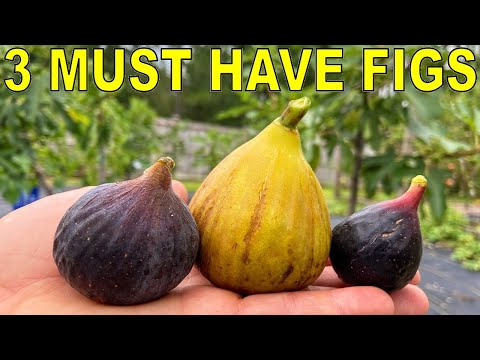
When we talk about yellow figs, we’re discussing specific cultivars of the common fig (Ficus carica) that produce fruit with golden, yellow, or greenish-yellow skin when fully ripe. Unlike their darker cousins like Black Mission or Brown Turkey, these varieties maintain their lighter coloration even at peak ripeness. Some folks call them white figs, golden figs, or honey figs, depending on the exact shade and regional preferences.
The most famous yellow variety I grow? That would be the Kadota fig, known scientifically as Ficus carica ‘Kadota’. This cultivar originated in Italy, where it went by the name Dottato, before making its way to California in the early 1900s. In some Mediterranean regions, you’ll still hear old-timers refer to similar varieties as fichi bianchi (white figs in Italian) or figues blanches in French-speaking areas.
But Kadota isn’t the only player in the yellow fig game. I also cultivate Excel figs, which the locals sometimes call the “Excel Improved” or simply refer to by its alternate name, Lemon fig. Then there’s the Desert King, though it’s more greenish-yellow than truly golden. Each variety has its own personality, flavor profile, and quirks that I’ve learned through trial, error, and plenty of taste-testing.
Think of yellow figs as the golden retrievers of the fig world—friendly, reliable, and beloved by everyone who gets to know them. While they might not have the dramatic dark appearance of a Black Mission, they make up for it with incredible sweetness and versatility.
Why I Fell in Love With Growing Yellow Varieties
My journey with yellow figs started somewhat accidentally. I’d planted a few Kadota trees almost as an afterthought, focusing most of my attention on more exotic fruits that commanded higher prices. But something shifted during my first real harvest. I bit into a sun-warmed Kadota fresh off the tree, and the flavor stopped me in my tracks—pure honey sweetness with subtle berry notes, a texture like silk, and none of the sometimes-overwhelming intensity of darker figs.
Here in San Diego’s Mediterranean climate, yellow varieties absolutely thrive. We’ve got the perfect combination of warm, dry summers and mild winters that figs crave. Our average summer temperatures hover between 70-80°F, with plenty of sunshine and low humidity—basically fig heaven. The coastal influence keeps things from getting too extreme, which means my trees stay happy and productive year after year.
Key advantages I’ve discovered with yellow fig cultivation:
- Exceptional heat tolerance (they laugh at our occasional 90°F+ days)
- More resistant to splitting during rare summer rains
- Fruit tends to be less attractive to birds than darker varieties
- Better shelf life after harvest compared to many dark figs
- Outstanding for fresh eating, preserving, and drying
- Generally more disease-resistant in coastal climates
Let me share some numbers that really opened my eyes. In my most productive season, my Kadota trees yielded an average of 45-60 pounds per mature tree across two crops—the breba (early summer) and main (late summer through fall). Compare that to some of my more finicky tropical fruits that might give me 20-30 pounds per tree in a good year, and you start to understand why I’ve expanded my yellow fig operation.
The reliability factor can’t be overstated. While my cherimoyas might sulk if conditions aren’t perfect, and my dragon fruit requires hand pollination, my yellow figs just… produce. They’re like that dependable friend who always shows up when they say they will.
Cultivating Golden Excellence: My Growing Methods
Growing yellow figs successfully isn’t rocket science, but it does require understanding what these trees need. Let me walk you through my approach, refined through seasons of hands-on experience and more than a few mistakes I learned from.
Planting and Establishment
I start all my fig trees from rooted cuttings sourced from certified disease-free stock. Why cuttings instead of seeds? Because figs don’t come true from seed, meaning you’d get genetic variation you don’t want. A cutting from a Kadota tree will give you an exact clone of the parent—guaranteed quality.
In San Diego, I can plant almost year-round, but I prefer late winter to early spring (February through April). This gives the trees time to establish before the heat really kicks in. Each sapling goes into a hole about twice as wide as the root ball and just as deep, enriched with aged compost and a handful of bone meal for phosphorus.
Spacing matters more than most people realize. I give my trees 15-20 feet between centers—yes, that seems like a lot when they’re young, but mature fig trees can spread 12-15 feet wide. Trust me, cramped figs are unhappy figs, and unhappy figs don’t produce those gorgeous golden fruits we’re after.
The Care and Feeding Routine
Here’s my annual care schedule broken down by season:
- Winter (December-February): Pruning time. I remove dead wood, thin overcrowded branches, and shape the canopy. Yellow figs fruit on new wood, so don’t be shy about cutting back.
- Spring (March-May): Fertilization begins. I side-dress with compost and apply a balanced organic fertilizer (10-10-10) around the drip line. This is also when I watch for that first breba crop starting to swell.
- Summer (June-August): Irrigation management becomes critical. I deep-water every 7-10 days depending on weather, aiming to keep the soil consistently moist but never waterlogged. The breba crop ripens, followed by the main crop starting to develop.
- Fall (September-November): Main crop harvest! This is when I’m out in the orchard every other day, picking ripe fruit. I reduce watering as harvest winds down to help trees prepare for dormancy.
Water management deserves special attention because it dramatically affects fruit quality. Too little water, and your figs stay small and dry. Too much, and they split or develop poor flavor. I aim for about 1-2 inches of water per week during active growth, delivered through drip irrigation that keeps foliage dry and reduces disease pressure.
| Variety | Skin Color | Flesh Color | Flavor Profile | Best Use | Average Brix (Sugar Content) |
|---|---|---|---|---|---|
| Kadota | Golden-yellow | Amber | Honey-sweet, mild | Fresh, canning, drying | 18-22 |
| Excel (Lemon) | Greenish-yellow | Strawberry-pink | Rich, sweet, berry notes | Fresh eating, preserves | 20-24 |
| Desert King | Green-yellow | Strawberry-red | Sweet, complex | Fresh eating | 18-20 |
| Peter’s Honey | Golden | Amber-gold | Intensely sweet | Fresh, drying | 22-26 |
The Harvest: Timing Is Everything
You know what they say about timing in comedy? Well, it applies to fig harvesting too. Pick too early, and you’ve got a flavorless disappointment. Wait too long, and the birds beat you to it, or worse, the fruit ferments on the tree.
I’ve developed a sixth sense for harvest readiness, but let me share the signs I look for: The fig should hang downward slightly, the skin yields gently to thumb pressure, and there’s often a tiny split or crack at the base. With yellow varieties, color shift is subtler than with dark figs, so you need to pay closer attention. A ripe Kadota goes from pale green-yellow to a deeper golden tone, almost buttery in appearance.
Here’s something I learned the hard way: always harvest in the morning after the dew dries but before the day heats up. Figs picked in afternoon heat don’t keep as well and can actually taste slightly less sweet. The sugar hasn’t had time to fully concentrate overnight, I suppose, though I’m not scientist enough to know if that’s the real reason.
My typical harvest runs from late June through October, with peaks in July (breba crop) and September (main crop). During peak season, I’m out there every 2-3 days, carefully twisting each ripe fruit off the branch. And here’s a pro tip: wear long sleeves. Fig tree sap can irritate skin, causing itching and rashes. I learned that lesson exactly once.
From Tree to Table: The Culinary Magic
This is where yellow figs really shine. Their mild, honey-sweet flavor and beautiful golden color make them incredibly versatile in the kitchen. While I sell most of my harvest fresh at farmers’ markets—where they command premium prices—I always keep plenty for my own culinary experiments and value-added products.
Fresh yellow figs need minimal treatment. I often serve them simply halved with a dollop of Greek yogurt and a drizzle of local honey for breakfast. They’re spectacular in salads paired with arugula, prosciutto, and goat cheese. The sweetness contrasts beautifully with peppery greens and salty cured meats.
For preservation, I’ve developed a few signature products that sell out every season:
Yellow Fig Jam: I cook down Kadotas with lemon juice, vanilla bean, and just enough sugar to preserve them. The golden color stays vibrant, and the flavor is complex—floral, sweet, with subtle citrus notes. One batch of jam from 10 pounds of fruit yields about 12 half-pint jars that sell for $8-10 each at markets.
Dried Yellow Figs: These are my secret weapon for extending the season. I halve the fruits and dry them at 135°F for 12-18 hours until they’re pliable but not sticky. The concentrated sweetness is incredible—nature’s candy, honestly. Dried figs store for months in airtight containers and rehydrate beautifully for winter baking.
Fig Vinegar: This is more experimental, but I’ve been fermenting yellow figs into a delicate vinegar that’s outstanding in salad dressings. It’s got complexity you just don’t find in commercial vinegars.
| 100g Serving | Fresh Yellow Fig | Dried Yellow Fig |
|---|---|---|
| Calories | 74 | 249 |
| Carbohydrates | 19g | 64g |
| Fiber | 3g | 10g |
| Sugar | 16g | 48g |
| Calcium | 35mg | 162mg |
| Potassium | 232mg | 680mg |
| Iron | 0.4mg | 2mg |
The nutritional profile explains why figs have been prized for millennia. They’re powerhouses of fiber, minerals, and natural sugars—real food that nourishes without any processing needed.

The Business Side: Why Yellow Figs Make Financial Sense
Let’s talk money for a minute, because passion is wonderful, but bills need paying. Yellow figs have proven to be one of my most profitable crops per square foot of growing space. Here’s why the economics work so well:
First, the trees are relatively low-maintenance once established. Unlike some of my exotic fruits that need constant attention, figs mostly take care of themselves. I’m talking maybe 10-15 hours of labor per tree annually, including pruning, fertilizing, and pest management.
Third, the extended harvest season means steady income from June through October. I’m not dealing with a two-week harvest window like some fruits—I’ve got months of production from each tree. The breba crop in early summer fills a gap when many other fruits aren’t ready yet, and the main crop coincides with peak farmers’ market season when tourist traffic is high.
Consider this: a mature Kadota tree producing 50 pounds per season at $7 per pound generates $350 in revenue. With 20 trees on just half an acre (remember that 20-foot spacing), that’s $7,000 from a relatively small planting. Factor in value-added products like jam, and those numbers climb even higher.
Challenges and Solutions: Keeping It Real
I’d be lying if I said growing yellow figs is all sunshine and honey-sweet fruit. There are challenges, and I’ve faced most of them at some point. Let’s talk about the main ones and how I’ve learned to handle them.
Bird Pressure: Birds love figs almost as much as I do, and yellow varieties seem especially attractive to mockingbirds and house finches. I’ve tried various deterrents—reflective tape, netting, fake owls—with mixed results. What works best? Netting draped over individual trees or sections, secured at ground level. It’s labor-intensive to install, but it saves significant amounts of fruit.
Fig Rust: This fungal disease shows up as rust-colored spots on leaves, especially in humid conditions. While San Diego’s dry climate helps, we do get morning fog that can promote fungal issues. My solution is preventive: good air circulation through proper pruning, avoiding overhead watering, and if needed, organic copper sprays in early spring.
Gophers: These underground menaces can girdle young trees by eating roots. I’ve lost trees to gophers before I got serious about protection. Now, every sapling goes into the ground with a gopher basket—wire mesh that protects the root zone. Problem solved.
Heat Stress: Even heat-loving figs can struggle during extreme heat waves. When temperatures push past 100°F, which happens occasionally, I run the irrigation system to cool the root zone and sometimes provide temporary shade cloth for younger trees.
The key to managing these challenges is vigilance and early intervention. I walk my orchard at least three times a week during growing season, looking for signs of problems before they become crises. An ounce of prevention really is worth a pound of cure—or in this case, a pound of golden figs.
Looking Ahead: The Future of Yellow Fig Cultivation
As I plan future expansions of my farm, yellow figs are definitely part of the equation. Climate projections suggest that San Diego will get warmer and potentially drier, conditions that actually favor fig cultivation. While some of my more water-dependent crops might struggle, figs will likely thrive even more.
I’m also excited about experimenting with lesser-known yellow varieties. There are Italian, Greek, and Middle Eastern cultivars that rarely make it to California, and I’m working with plant collectors to source cuttings. Imagine discovering the next Kadota—a variety that performs even better in our climate and captures consumers’ imaginations.
The local food movement continues to gain momentum, and figs fit perfectly into that narrative. They’re ancient fruits with deep cultural roots, they grow beautifully without intensive chemical inputs, and they connect people to agricultural traditions stretching back thousands of years. Every time someone bites into one of my golden Kadotas at the farmers’ market and their eyes light up, I’m reminded why this work matters.
There’s also potential in value-added processing that I’m barely scratching the surface of. Fig balsamic reductions, fig-infused spirits, fig leather (a fruit roll-up style product), even fig-based desserts for local restaurants. The possibilities are as golden as the fruit itself.
Final Thoughts: Why You Should Care About Yellow Figs
Here’s the thing about yellow figs that I want you to understand: they represent something important in our modern food system. In a world of standardized, shipped-across-continents produce, these fruits don’t travel well. They’re delicate, they’re perishable, and they demand to be eaten fresh and local. That’s not a weakness—it’s a feature.
Growing yellow figs has taught me patience, observation, and appreciation for seasonal rhythms. These trees don’t rush. They take their time to establish, to develop fruit, to ripen properly. In our hurry-up world, there’s something deeply satisfying about working with a crop that insists on its own timeline.
Whether you’re a home gardener considering your first fig tree or a farmer weighing crop options, I cannot recommend yellow varieties highly enough. They’re forgiving enough for beginners yet rewarding enough to keep experts interested. They produce abundantly without demanding too much. And they create those perfect moments—warm fruit in hand, sweet juice on your chin, standing in dappled shade on a September afternoon—that remind us why we grow things in the first place.
My golden treasures, my Kadotas and Excels, my fields of amber-fruited trees swaying in the San Diego breeze—they’re more than just a crop. They’re a connection to ancient traditions, a viable business, and a source of pure joy. What more could you ask from a fruit?
So next time you’re at a farmers’ market and you spot those unusual golden figs, give them a try. Support your local growers who are keeping these varieties alive. And if you’ve got space for a tree in your yard, consider joining the yellow fig revolution. Your taste buds—and your soul—will thank you.


