
After fifteen years of growing exotic fruits in the subtropical regions of California, I’ve developed a special fondness for what many call “citrus caviar” – the fascinating finger lime. These elongated, finger-shaped citrus fruits have become my passion project, and I’m excited to share what I’ve learned about the diverse varieties that thrive in American soil.
My Introduction to Nature’s Caviar
I still remember the first time I cut open a finger lime. It was a warm spring afternoon in 2009, and a fellow farmer had shipped me some samples from Australia. The moment those tiny, glistening vesicles popped out like little jewels, I was hooked. There was something magical about how they burst with tangy flavor when you bit into them – completely unlike any citrus I’d grown before.

Understanding the Finger Lime Family
Finger limes (Citrus australasica) are native to the rainforests of Australia, particularly in Queensland and New South Wales. While they’re relatively new to commercial cultivation in the United States, they’ve been gaining tremendous popularity over the last decade.
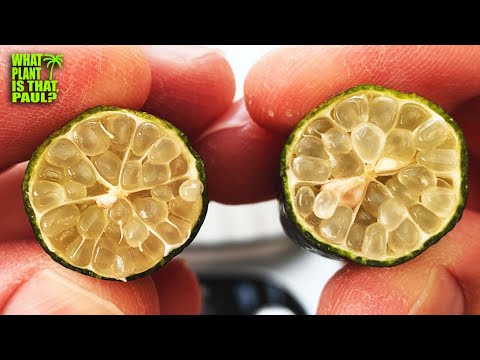
What many people don’t realize is that “finger lime” isn’t just one fruit – it encompasses several varieties with different characteristics. Let me walk you through the main types I’ve successfully grown:
The Australian Natives
1. Green Crystal
This is what most Americans first encounter when trying finger limes. The Green Crystal produces slender, greenish-brown fruits with bright green vesicles inside. They have a distinctive lemon-lime flavor with a hint of herbaceous notes.
My Green Crystals typically grow to about 3 inches long and have become my most reliable producers, adapting wonderfully to our California climate. Local chefs have nicknamed them “lime pearls” because of their perfect spherical vesicles.
2. Pink Crystal
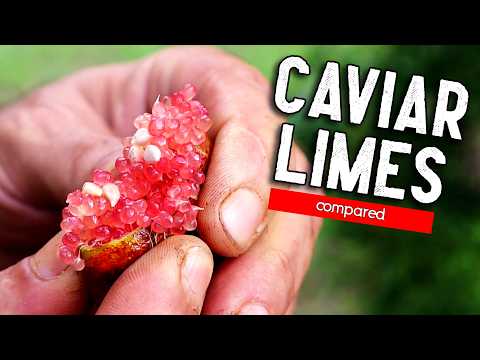
One of my absolute favorites! Pink Crystals contain beautiful pink to rose-colored vesicles that add stunning visual contrast to dishes. Their flavor profile leans slightly sweeter than the Green Crystal, with subtle berry-like undertones.
When I serve these at farmers’ markets, customers often call them “pink champagne limes” because of their elegant color and celebratory feel.
3. Crimson Red
The showstopper of my orchard has to be the Crimson Red variety. These produce deep red to burgundy vesicles that almost look like pomegranate seeds. They carry a more intense flavor with wonderful complexity – tangy citrus notes balanced with deeper, almost berry-like characteristics.
Local foodies have dubbed these “blood pearls” for their rich color. They’re my most in-demand variety, despite being slightly more challenging to grow.
American Hybrids
As finger limes have gained popularity, American growers and researchers have developed exciting new varieties adapted to our growing conditions:
4. Sunrise
Developed at the University of California, the Sunrise is a cross between traditional finger limes and mandarin. The result is a slightly plumper fruit with orange-tinted vesicles that offer a sweeter, less acidic profile than pure finger limes.
I’ve found these to be particularly adaptable to our occasional cold snaps, showing better frost resistance than the pure Australian varieties. Customers at my farm stand often refer to them as “morning burst limes” for their sunrise coloration.
5. California Coastal
This variety emerged from selective breeding of finger limes specifically for coastal California conditions. They produce slightly larger fruits with pale yellow to light green vesicles. Their flavor profile is notably mild with subtle floral notes.
Local chefs have taken to calling these “sea pearls” due to their origin and lighter flavor profile that pairs wonderfully with seafood.
6. Desert Gold
As the name suggests, this variety was developed for the drier conditions of Southern California and Arizona. It produces amber to golden vesicles with a more concentrated flavor that balances sweetness and acidity beautifully.
I planted a small section of these three years ago, and despite our drought challenges, they’ve performed remarkably well. Their local nickname of “cactus caviar” speaks to their desert-hardy nature.
Growing Challenges and Rewards
I won’t sugarcoat it – finger limes aren’t the easiest citrus to cultivate. They’re thorny little beasts that demand specific conditions to thrive. Their thin skin makes them susceptible to sunburn in our intense California summers, and they don’t appreciate cold snaps below 28°F.
In my experience, they prefer slightly acidic soil (pH 5.5-6.5) with excellent drainage. My most successful plants grow in a soil mixture enhanced with pine bark and perlite to ensure their roots never sit in soggy conditions.
Water management is crucial. I’ve learned (the hard way) that finger limes prefer deep, infrequent watering rather than frequent light irrigation. On my farm, we’ve installed a specialized drip system that delivers water directly to the root zone, minimizing evaporation and reducing disease pressure.
But the challenges make the harvest all the more rewarding. There’s nothing quite like watching visitors’ faces light up when they try finger lime caviar for the first time. The way those tiny vesicles pop between your teeth, releasing their bright, citrus essence – it’s an experience that sells itself.
| Variety | Vesicle Color | Flavor Profile | Harvest Season | Best Uses |
|---|---|---|---|---|
| Red Champagne | Coral-pink | Tart-sweet, floral | Fall-Winter | Cocktails, desserts |
| Emerald | Lime-green | Intense lime | Spring-Summer | Cooking, marinades |
| Crystal | Clear | Mild, sweet-tart | Year-round | Garnishes, raw eating |
| Judy’s Everbearing | Green-yellow | Lime-grapefruit | Year-round | Commercial production |
| Pink Pearl | Soft pink | Lime with berry notes | Fall-Spring | Specialty dishes |
| Chartreuse | Yellow-green | Complex citrus blend | Summer-Fall | Gourmet applications |
Culinary Applications: Beyond the Garnish
While finger limes initially gained popularity as a garnish for high-end seafood dishes, I’ve seen their uses expand dramatically in recent years. Here’s how I use different varieties in my own kitchen:
- Green Crystal: These are my go-to for seafood dishes. Their bright, clean flavor enhances everything from oysters to grilled fish without overwhelming the delicate flavors.
- Pink Crystal: I love using these in cocktails and desserts. Their subtle sweetness and stunning color make them perfect for adding visual and flavor excitement to champagne drinks or vanilla panna cotta.
- Crimson Red: These pair beautifully with rich meats. I often sprinkle them over duck breast or aged beef, where their intense flavor cuts through the richness.
- Sunrise: Their sweeter profile makes them ideal for fruit salads and breakfast dishes. Try them sprinkled over yogurt with honey for a mind-blowing morning treat.
- California Coastal: These are my choice for delicate white fish and raw preparations like ceviche, where their subtle flavor enhances without dominating.
- Desert Gold: Their concentrated flavor stands up well to spicy dishes. I use them in Thai-inspired salads where they can shine against bold flavors.
Nutritional Profile and Health Benefits
Beyond their culinary appeal, finger limes pack a nutritional punch that’s worth mentioning. Here’s how they stack up:
| Nutrient | Amount per 100g | Benefit |
|---|---|---|
| Vitamin C | 30-50mg | Immune support, antioxidant properties |
| Folate | 20μg | Cell regeneration, particularly important during pregnancy |
| Potassium | 150mg | Supports heart health and fluid balance |
| Fiber | 2-3g | Digestive health and sustained energy |
| Antioxidants | High | Protection against cellular damage |
I’ve noticed a growing interest in finger limes among health-conscious consumers, particularly those looking for novel ways to incorporate vitamin C into their diets. The intact vesicles actually help preserve the vitamin content, as they’re only released when you eat them.
Market Trends: The Growing Demand
When I first started growing finger limes commercially in 2010, I was one of perhaps a dozen farmers in California experimenting with this exotic fruit. Today, I’m part of a growing community of specialty citrus producers meeting increasing demand.
The wholesale price has remained strong, averaging between $25-40 per pound, making them one of the most profitable crops per square foot on my farm. Restaurant demand continues to drive the market, but I’ve seen a significant uptick in direct-to-consumer sales as more home cooks discover these little gems.
Social media has played a huge role in this growth. Every time a celebrity chef features finger limes on Instagram or TikTok, I can count on a flood of inquiries the following week.
Looking to the Future
As climate change alters growing conditions across the country, I’ve been collaborating with agricultural researchers to develop even more resilient varieties. We’re particularly focused on breeding lines with improved cold tolerance that could extend the growing range northward.
I’m also experimenting with container cultivation methods that could make finger limes accessible to urban farmers and even home gardeners. My pilot program with dwarf varieties suited to large pots has shown promising results, with plants producing decent yields even on rooftop gardens.
Final Thoughts
After dedicating more than a decade to these fascinating fruits, I can confidently say that finger limes represent one of the most exciting developments in American specialty agriculture. Their unique characteristics, diverse varieties, and growing culinary applications suggest they’re not just a passing trend but a permanent addition to our agricultural landscape.
Whether you call them citrus caviar, lime pearls, or any of their charming local nicknames, finger limes offer an unparalleled sensory experience. If you haven’t tried them yet, I encourage you to seek them out at farmers’ markets or specialty grocers – your taste buds will thank you for the adventure!
Have you encountered finger limes in your culinary journeys? I’d love to hear about your experiences with this remarkable fruit.