Picture this: you’re walking through your grove on a crisp morning, coffee in hand, ready to check on your prized finger lime trees. Instead of the lush green canopy you expect, you’re greeted by a carpet of yellowing leaves beneath your trees and branches that look suspiciously bare. Sound familiar? Trust me, I’ve been there more times than I’d like to admit.
After fifteen years of growing exotic citrus—with finger limes being my absolute passion project—I’ve learned that leaf drop in these Australian natives isn’t just a seasonal quirk. It’s your tree’s way of waving a distress flag, and boy, does it know how to get your attention.
Let me take you through my journey of understanding why these finicky beauties shed their leaves, because chances are, your tree is trying to tell you something important.
The Root of the Problem (Literally)
When I first started growing finger limes back in 2009, I treated them like regular citrus trees. Big mistake. These thorny little characters have their own rulebook, and they’re not shy about enforcing it.

Here’s what happens: when the soil stays soggy, the roots literally suffocate. Without proper oxygen exchange, they start to rot, and the tree responds by dropping leaves to conserve energy. It’s like your body shutting down non-essential functions during illness. Smart, but heartbreaking to watch.
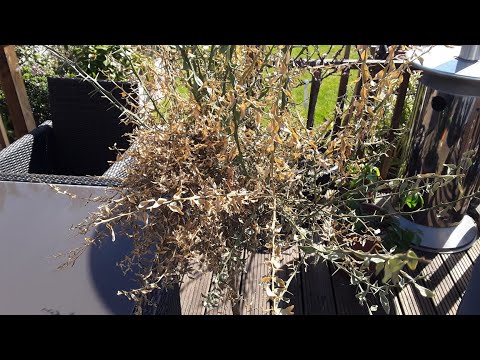
The opposite extreme is just as devastating. During our brutal drought of 2019, I watched my trees shed leaves like confetti at New Year’s. Stressed trees go into survival mode, and leaf drop is their first line of defense. Think of it as strategic retreat—they’re preserving what they can to fight another day.
Environmental Stress: The Silent Tree Killer
You know how you feel cranky when it’s too hot, too cold, or when your routine gets disrupted? Finger limes are the same way, except they express their displeasure by going bald.
Temperature fluctuations hit these trees particularly hard. During the polar vortex of 2021, my greenhouse heating system failed for just two nights. The temperature swings—from 65°F during the day to 38°F at night—triggered massive leaf drop across my entire finger lime collection. It was like watching a botanical horror movie in slow motion.
But here’s something interesting I’ve observed: different varieties handle stress differently. My Red Champagne finger limes are drama queens—they’ll drop leaves if you look at them wrong. Meanwhile, my Collette variety soldiers on through conditions that would make other trees throw in the towel.
Key environmental stressors that trigger leaf drop:
- Sudden temperature changes (anything more than 15°F in 24 hours)
- Low humidity (below 40% consistently)
- Inadequate light (less than 6 hours of direct sunlight)
- Poor air circulation leading to fungal issues
- Chemical exposure from nearby treatments or cleaners
Nutritional Deficiencies: Reading the Leaf Language
After years of trial and error, I’ve become fluent in “leaf language.” Each pattern of yellowing and dropping tells a story, and finger limes are surprisingly articulate once you learn to listen.
Nitrogen deficiency shows up as uniform yellowing of older leaves first, followed by leaf drop. It’s like the tree is saying, “I’m rationing my resources, starting with the least productive employees.” Magnesium deficiency, on the other hand, creates a distinctive yellowing between the leaf veins while keeping the veins green—imagine a leaf skeleton wrapped in yellow tissue paper.
Here’s my fertilization schedule that’s saved countless trees:
- Spring (March-April): Balanced citrus fertilizer with micronutrients
- Early Summer (May-June): High-nitrogen feed to support new growth
- Mid-Summer (July-August): Reduced nitrogen, increased potassium for fruit development
- Fall (September-October): Low-nitrogen, high-potassium to prepare for dormancy
- Winter (November-February): Minimal feeding, focus on maintaining soil pH
The pH factor cannot be overstated. Finger limes prefer slightly acidic soil (6.0-6.5 pH), and even small deviations can lock up nutrients, leading to deficiency symptoms and subsequent leaf drop. I test my soil monthly during growing season—it’s that critical.
| Nutrient Deficiency | Leaf Symptoms | Typical Timing | My Solution |
|---|---|---|---|
| Nitrogen | Uniform yellowing, older leaves first | Spring/Summer | Increase feeding frequency |
| Magnesium | Yellow between veins, green veins | Mid-summer | Epsom salt spray monthly |
| Iron | New leaves yellow, severe cases drop | Spring on alkaline soil | Iron chelate + pH adjustment |
| Potassium | Brown leaf edges, early drop | Late summer/fall | Kelp meal supplement |
Pest Problems: The Uninvited Guests
Nothing makes a finger lime tree shed leaves faster than a pest infestation. Scale insects are particularly sneaky—they look innocent enough, like tiny brown bumps, but they’re vampire-like creatures sucking the life out of your tree one leaf at a time.

Spider mites are another nightmare, especially during hot, dry periods. They’re so small you need a magnifying glass to spot them, but their damage is unmistakable—stippled leaves that eventually turn bronze and fall off. During the heat wave of 2020, I lost 30% of my foliage to these microscopic menaces before I realized what was happening.
The Recovery Road: Patience and Persistence
Here’s the thing about finger lime recovery—it’s not instant gratification farming. These trees hold grudges longer than my ex-wife, and they take their sweet time forgiving your mistakes. But when they do recover, the comeback is spectacular.
I’ve learned that consistency trumps perfection every time. Rather than trying to fix everything at once (which usually makes things worse), I focus on stabilizing one factor at a time. First, I ensure proper drainage and watering schedule. Then I address nutrition. Finally, I tackle any pest or disease issues.
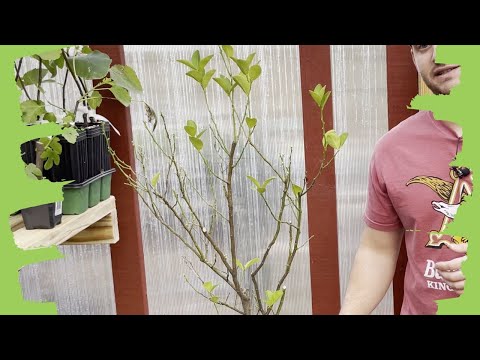
The most dramatic recovery I’ve witnessed was with a five-year-old tree that had lost 80% of its leaves due to root rot. I thought it was a goner, but after repotting in fresh, well-draining soil and maintaining consistent (but not excessive) moisture, it sprouted new growth within six weeks. Today, that same tree is one of my most productive specimens.
Moving Forward: Prevention Over Treatment
After all these years, I’ve realized that preventing leaf drop is infinitely easier than treating it. My daily routine now includes checking soil moisture with my finger (old school, but effective), observing leaf color and texture, and maintaining detailed records of weather patterns and tree responses.
The key insight? Finger limes are communicators, not just plants. Every dropping leaf is a message, every color change is conversation. Once you start listening—really listening—you’ll find that growing these exotic beauties becomes less about fighting problems and more about maintaining dialogue.
Your finger lime isn’t losing its leaves to spite you. It’s trying to survive, and with the right understanding and care, you can help it thrive. Trust me, the effort is worth it when you’re harvesting those incredible citrus caviar pearls and watching your customers’ faces light up with that first burst of flavor.
Remember, every master farmer was once a disaster farmer. The difference is persistence, observation, and the willingness to learn from our trees’ honest feedback—even when that feedback involves a lot of fallen leaves.