
I still remember the first time I tasted granadilla. It was on a humid morning at a farmers’ market in Colombia, where I was traveling to explore new agricultural techniques. The vendor handed me this strange, orange-yellow fruit with a hard shell that looked like it belonged in a sci-fi movie.
When I cracked it open, I was greeted by a gelatinous interior filled with black seeds suspended in a sweet, aromatic pulp. One taste, and I was hooked. Right then and there, I made a decision that would change the trajectory of my farming career—I was going to grow granadillas on my own farm back home.
The Beginning: More Challenging Than Expected
Let me tell you, bringing granadilla cultivation to my moderate-climate farm wasn’t as straightforward as I’d hoped. Granadilla (Passiflora ligularis), also known as sweet passion fruit, is native to the Andean regions of South America, where it thrives in cooler tropical highlands. My first attempt at growing these exotic fruits was, to put it mildly, a disaster.

Weeks passed, and nothing happened. Not a single sprout emerged from the soil. I’d check the trays every morning, hoping to see some sign of life, only to be disappointed day after day. Had I stored the seeds improperly during travel? Was my soil mix wrong? The questions kept me up at night.
The Breakthrough: Learning from Failure
After that initial failure, I could have given up. But have you ever been so captivated by something that you couldn’t let it go? That’s how I felt about granadillas. I dove deep into research, connecting with farmers in Colombia, Ecuador, and Peru through online forums. I learned that granadilla seeds often need scarification—a process of breaking or weakening the seed coat—to germinate properly.
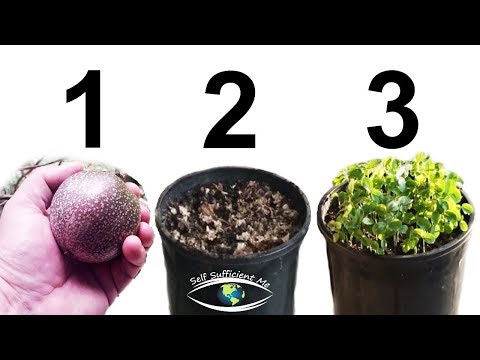
My second attempt involved soaking the seeds in warm water for 48 hours before planting. Within ten days, tiny green shoots emerged from the soil, and I felt like a proud parent watching their child take their first steps. I may have taken a few too many photos of those seedlings, if I’m being honest.
Growing granadillas taught me patience in a way no other crop had before. These plants need time to establish—about 12-18 months from planting to first fruit. They’re also climbers, requiring strong trellising systems to support their vigorous vines. I constructed a series of vertical trellises in my greenhouse, creating what my farmhands jokingly called “the granadilla castle.”
The Unexpected Challenges: Pests and Pollination
You know what they say about the best-laid plans, right? Just when I thought I had everything under control, nature threw me a curveball. My flourishing granadilla vines attracted an army of spider mites that seemed to appear overnight. Their tiny webs covered the undersides of leaves, causing them to yellow and drop prematurely.
Chemical pesticides were out of the question—I run an organic farm, and I wasn’t about to compromise my principles. Instead, I introduced predatory mites as a natural control method and increased humidity levels in the greenhouse to discourage the pests. It was touch-and-go for a while, but the plants eventually recovered.
Then came the pollination issue. In their native habitat, granadillas are pollinated by specific insects and hummingbirds—visitors my greenhouse distinctly lacked.
Have you ever tried hand-pollinating hundreds of flowers with a small paintbrush?
It’s tedious work, requiring a delicate touch and impressive patience. I’d spend hours each morning moving from flower to flower, transferring pollen between the stamens and stigma. My back would ache, and my fingers would cramp, but the thought of those delicious fruits kept me going.
The First Harvest: Worth Every Effort
About 18 months after planting those first successful seedlings, I spotted it—a small, green fruit forming on one of the vines. Over the next few weeks, more fruits appeared, gradually growing and changing color from green to a beautiful orange-yellow. The anticipation was almost unbearable.
When harvest day finally arrived, I carefully picked the first fully ripe granadilla. Its weight in my hand, the slight give of the shell when gently squeezed—it was perfect. Gathering my farm team around, I cracked it open, revealing the glistening, seed-filled interior. We each took a spoonful of the sweet-tart pulp, and the expressions on their faces mirrored what I had felt at that Colombian market years ago.
“This is what all the fuss was about?” said Maria, my assistant farm manager, her eyes widening with delight. “Okay, I get it now.”
That first modest harvest yielded about 30 fruits, hardly enough to sell commercially. But it proved that growing granadillas in our climate was possible with the right conditions and care. Each subsequent season has brought larger harvests as I’ve refined my techniques and the plants have matured.

Beyond Growing: Culinary Adventures
Growing granadillas has been only half the adventure. Figuring out how to use them and introduce them to customers unfamiliar with tropical fruits has been equally challenging and rewarding.
I started by offering samples at our farm stand, teaching customers how to crack open the fruit and eat the pulp straight from the shell. The reactions were mixed—some people couldn’t get past the appearance of the gelatinous seed sacs, while others were instantly converted.
My favorite creation, though, is what I call “Sunrise Parfait”—layers of granadilla pulp, Greek yogurt, and homemade granola. It’s become my standard breakfast during harvest season, a perfect balance of sweet, tart, and crunchy textures that never fails to start my day right.
Expanding the Operation: From Hobby to Business
What started as a passion project has evolved into a legitimate part of my farm’s business model. I now have three greenhouses dedicated to granadilla production, yielding thousands of fruits each season. We sell them at farmers’ markets, to high-end restaurants, and through a small but growing mail-order business.
The economic reality of growing exotic fruits in non-native environments means that granadillas will never be my most profitable crop. The heating costs for the greenhouses during winter months alone would make most farmers wince. But when I see the joy on a customer’s face as they taste this extraordinary fruit for the first time, I know it’s worth every penny invested.

The Future: Continuing to Learn and Grow
Seven years into my granadilla growing journey, I’m still learning. Each season brings new insights into optimal pruning techniques, disease prevention, and maximizing yield. I’ve been experimenting with grafting granadillas onto hardier rootstock to increase cold tolerance, with promising early results.
I’ve also started working with a local university’s agricultural department to study the potential for developing granadilla varieties better suited to our climate. It’s a long-term project, but one that could eventually make this remarkable fruit more accessible to farmers outside its native range.
Would I recommend other farmers jump into growing granadillas?
Not without careful consideration. It’s not a crop for the faint of heart or those looking for quick returns. But for those willing to invest the time, resources, and love required, it offers rewards beyond the merely financial.
My journey with granadillas has transformed not just my farm but my entire approach to agriculture. It’s taught me to embrace challenges, to think creatively about growing conditions, and to value the extraordinary diversity of food our planet offers. Most importantly, it’s reminded me why I became a farmer in the first place—to connect people with amazing foods they might otherwise never experience.
As I write this, I can see my granadilla vines from my office window, their green tendrils reaching skyward, flowers beginning to bloom for another season. There’s still so much to learn, so many possibilities to explore. And honestly? I can’t wait to see where this journey takes me next.

Yellow Granadilla

Benefits Of Granadilla Leaves

How Should Granadilla Be Stored

How To Grow Granadilla From Seed

Health Benefits Of Granadilla

Maracuya Vs Granadilla

How Long Do Granadillas Take To Ripen

Different Types Of Granadilla

Easy Granadilla Dessert Recipes

How Long For Granadilla To Fruit

When To Harvest Granadilla

Does Granadilla Grow In Shade

Granadilla Recipes Ideas

Best Place To Store Granadilla

Difference Between Granadilla And Guavadilla

How Much Sun Does A Granadilla Plant Need

Granadilla Vs Granada

Best Way To Preserve A Granadilla

How To Use Granadilla Fruit

Difference Between Passion Fruit And Granadilla

Can You Grow Granadilla From Cuttings

Is Granadilla Plant Evergreen

Benefits Of Granadilla Seeds

How To Eat Granadilla

Can Granadilla Grow In Pots?

How Long Does Granadilla Take To Grow

How Long Does Granadilla Stay Fresh

Is Granadilla Fruit Healthy

Can You Freeze Granadilla Pulp?
