
Hey there, fellow fruit enthusiasts! Today, I’m going to take you on a journey through my experience growing one of the most intriguing fruits out there – the Ugli fruit. Now, don’t let the name fool you; this fruit might not win any beauty pageants, but it’s got a heart of gold (or should I say, a flesh of tangy sweetness?).
What on Earth is an Ugli Fruit?
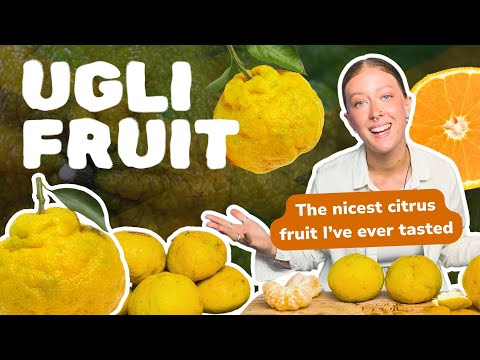
Before we dive into the nitty-gritty of growing these bad boys, let’s talk about what exactly an Ugli fruit is. Picture this: you’re walking through a citrus grove, and suddenly, you spot what looks like a grapefruit that’s had a rough night out. That, my friends, is an Ugli fruit.
Ugli fruit, also known as Jamaican tangelo, is a natural hybrid of grapefruit, orange, and tangerine. It’s like nature decided to throw a citrus party and this was the result. Despite its, well, ugly appearance (hence the name), it’s a true hidden gem in the world of fruits.
When I first encountered an Ugli fruit, I was skeptical. I mean, who wouldn’t be? It looks like a citrus fruit that’s been through a bit of a midlife crisis. But let me tell you, once I tasted it, I was hooked. It’s got this unique flavor profile that’s both sweet and tangy, with hints of all three parent fruits. It’s like a flavor explosion in your mouth!
So, naturally, being the exotic fruit aficionado that I am, I knew I had to try my hand at growing these quirky fruits. And let me tell you, it’s been quite the adventure!

Getting Started: The Ugli Fruit Saga Begins
Now, you might be thinking, “Jack, how hard can it be to grow a fruit that already looks like it’s been through the wringer?” Well, let me tell you, appearances can be deceiving. These little (or should I say, big) guys need some serious TLC.
First things first, I had to get my hands on some Ugli fruit trees. And let me tell you, that was an adventure in itself. It’s not like you can just waltz into your local garden center and pick up an Ugli fruit sapling. Oh no, that would be too easy. I had to do some serious networking, calling up fellow exotic fruit farmers and scouring the internet for reputable suppliers.
After what felt like an eternity (but was probably just a couple of weeks), I finally got my hands on a few young Ugli fruit trees. I was as excited as a kid on Christmas morning! But little did I know, the real work was just beginning.
The first step was preparing the soil. Ugli fruits, like their citrus cousins, love well-draining soil that’s rich in organic matter. I spent days amending my soil with compost and perlite, getting it just right. It was backbreaking work, but hey, no pain, no gain, right?
The Planting Process: Giving Ugli a Beautiful Home
With the soil prepped and ready, it was time for the main event – planting my Ugli fruit trees. Now, I’ve planted my fair share of trees in my time, but let me tell you, there’s something special about planting a tree that most people have never even heard of.
I carefully dug holes about twice the size of the root balls, making sure they were spaced about 15-20 feet apart. These trees might look a bit gnarly, but they need their space to grow and thrive. As I gently placed each tree in its new home, I couldn’t help but feel a sense of excitement and anticipation. What would these little saplings grow into?

But of course, planting is just the beginning. Growing Ugli fruit trees requires patience, dedication, and a whole lot of love. These trees take about 3-5 years to start bearing fruit, so I knew I was in for the long haul. But hey, good things come to those who wait, right?
The Care and Feeding of Ugli Fruit Trees
Now, you might think that after planting, you can just sit back, relax, and wait for the fruits of your labor (pun absolutely intended). But oh boy, would you be wrong! Caring for Ugli fruit trees is a bit like raising temperamental teenagers – they need constant attention, the right balance of nurturing and tough love, and they’ll probably still give you a hard time.
First up: watering. Ugli fruit trees are thirsty little devils, especially when they’re young. I found myself out in the orchard almost daily, making sure each tree got just the right amount of water. Too little, and they’d dry out faster than laundry in the Sahara. Too much, and I’d risk root rot. It was a delicate balance, and I spent many a night fretting over whether I’d gotten it just right.
Then there’s fertilizing. Ugli fruit trees are heavy feeders, craving a steady diet of nitrogen, phosphorus, and potassium. I developed a fertilizing schedule that would make a nutritionist proud, carefully balancing organic and synthetic fertilizers to give my trees the best of both worlds.
But perhaps the most challenging aspect of caring for Ugli fruit trees is pest and disease management. These trees seem to be a magnet for every citrus pest known to man – and probably a few that aren’t. From citrus canker to fruit flies, I’ve battled them all. I’ve become something of an amateur entomologist in the process, learning to identify and treat various issues before they can take hold.
The Waiting Game: Watching Ugli Grow
As the months turned into years, I watched my Ugli fruit trees grow from spindly saplings into robust, leafy trees. It was like watching your kids grow up, except these kids were green and didn’t talk back (much). Every new leaf, every inch of growth was a cause for celebration.
But let me tell you, waiting for that first fruit to appear was an exercise in patience. I’d wake up every morning, rush out to the orchard, and scan the trees for any sign of fruit. For the first couple of years, all I saw was leaves, leaves, and more leaves. I began to wonder if I’d done something wrong. Had I somehow managed to grow fruitless Ugli fruit trees?

From that point on, it was like a switch had been flipped. Fruits started appearing on all the trees, growing larger and uglier (in the best possible way) with each passing day. I watched them transform from small green balls into the characteristically mottled, bumpy fruits that give Ugli its name.
Harvest Time: The Fruits of My Labor
Finally, after what felt like an eternity of waiting, it was harvest time. I’ll never forget the day I picked my first ripe Ugli fruit. It was a beautiful sunny morning, and there it was – a large, lumpy fruit with a mottled greenish-yellow skin. It wasn’t pretty, but to me, it was the most beautiful thing I’d ever seen.
With trembling hands, I gently twisted the fruit from the branch. It came away easily, a sure sign of ripeness. The moment of truth had arrived. I peeled back the thick, loose skin, revealing the juicy segments inside. And then, I took a bite.
Let me tell you, folks, it was like a flavor explosion in my mouth. Sweet, tangy, with hints of grapefruit, orange, and tangerine all rolled into one. It was everything I’d hoped for and more. All those years of hard work, all the early mornings and late nights, all the worrying and fussing – it was all worth it for this moment.
As I stood there in my orchard, juice dripping down my chin, I felt an overwhelming sense of pride and accomplishment. I’d done it. I’d successfully grown Ugli fruit. And not just any Ugli fruit – these were some of the best I’d ever tasted (if I do say so myself).

Lessons Learned and Future Plans
Looking back on my Ugli fruit growing adventure, I can’t help but reflect on all the lessons I’ve learned along the way. It’s been a journey of ups and downs, triumphs and setbacks, but I wouldn’t change a thing. Here are a few key takeaways for anyone thinking about embarking on their own Ugli fruit growing adventure:
- Patience is key. These trees take time to mature and bear fruit, but the wait is worth it.
- Don’t judge a fruit by its cover. Ugli fruits may not be pretty, but they’re packed with flavor and nutrition.
- Be prepared for a challenge. Growing exotic fruits isn’t always easy, but it’s incredibly rewarding.
- Never stop learning. There’s always something new to discover in the world of exotic fruits.
As for me, I’m not stopping with Ugli fruit. This experience has only fueled my passion for exotic fruits even more. I’m already planning my next adventure – maybe dragonfruit or lychee? Who knows where this journey will take me next!
So, if you ever find yourself in a grocery store, standing in front of a bin of lumpy, mottled fruits labeled “Ugli,” don’t hesitate to give them a try. And who knows? Maybe you’ll be inspired to start your own exotic fruit growing adventure. Just remember, whether you’re growing Ugli fruit or any other exotic variety, the key is to embrace the challenge, be patient, and most importantly, have fun!
Until next time, happy farming, and may your fruits always be exotic (and maybe a little bit ugly)!

Growing Ugli Fruit From Seed

How Do You Store Ugli Fruit

How To Tell If Ugli Fruit Is Ripe

How Does Ugli Fruit Grow

Ugli Fruit Nutrition Facts And Health Benefits

Other Uses For Ugli Fruit

What Can Ugli Fruit Be Used For

Can Ugli Fruit Be Eaten Raw

Recipes With Ugli Fruit

Best Season For Ugli Fruit
