As someone who’s spent the last 15 years cultivating exotic fruits, I’ve developed a special relationship with Psidium guajava, commonly known as guava, goiaba, or bayabas. This remarkable fruit, which I lovingly refer to as “nature’s candy,” has become more than just a crop on my farm – it’s become a passion. Let me share my expertise on how to best enjoy this tropical treasure.
Understanding Guava Varieties
When I first started growing guavas (or “amrood” as my Indian customers call them), I was amazed by the diversity. On my farm, we cultivate several varieties, from the pink-fleshed Thai guava to the crisp white-fleshed Mexican cream guava. Each type offers a unique flavor profile and texture.
I’ve noticed that newcomers to guava often get overwhelmed by the choices. Some varieties are sweet as honey, while others have a slightly acidic kick. The Philippine guava, for instance, tends to be smaller but incredibly aromatic. Meanwhile, the Brazilian varieties I grow are larger and perfect for processing.
My personal favorite remains the Indian white guava. It’s got this perfect balance of sweetness and texture that makes it versatile for both fresh eating and cooking. When fully ripe, it fills my greenhouse with an intoxicating fragrance that reminds me why I chose this profession.
Every season, I experiment with new varieties, and each one teaches me something new about this remarkable fruit. The pear guava, for example, surprised me with its exceptional shelf life and travel hardiness.
The Perfect Ripeness
Let me tell you a secret – timing is everything when it comes to enjoying guava. I can’t count how many times I’ve had visitors to my farm bite into an unripe fruit and wonder what all the fuss is about.

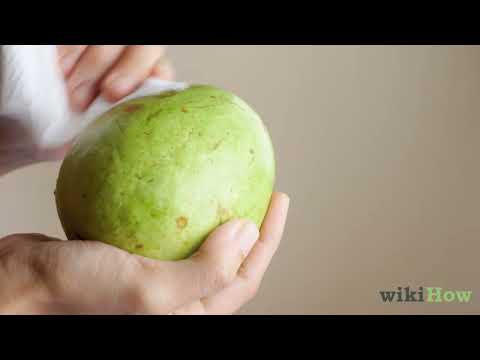
Color changes are another reliable indicator. Most varieties shift from dark green to a yellowish-green when they’re ready. However, don’t wait until they’re completely yellow – that’s often too late.
The “gentle squeeze test” is my foolproof method. A ripe guava should yield slightly to pressure, like a ripe avocado. If it’s hard as a rock, it needs more time. If it’s too soft, you’ve waited too long.
Preparation Methods
Here’s where my years of experience really come in handy. There are countless ways to enjoy guava, but I’ll share my tried-and-true methods that never fail to impress.
The simplest way – and often the best – is to eat it fresh. Just wash the fruit, cut it in half, and scoop out the flesh with a spoon. Yes, you can eat the seeds! They’re perfectly safe and packed with fiber.
For those who prefer a more refined experience, try slicing the guava thinly and sprinkling it with a pinch of chili salt. This Mexican-inspired preparation method brings out the fruit’s natural sweetness while adding an exciting kick.
One of my favorite preparations involves peeling and cutting the guava into wedges, then drizzling it with honey and a squeeze of lime. It’s simple but transforms the fruit into a gourmet treat.
I’ve also discovered that briefly grilling guava slices intensifies their sweetness and adds a wonderful smoky dimension. Just 30 seconds on each side is all you need.
Health Benefits Worth Noting
As both a farmer and a health enthusiast, I’m always excited to share the nutritional powerhouse that is guava. My customers often don’t realize they’re getting more vitamin C from one guava than from an entire orange.
Over the years, I’ve noticed that many of my regular customers report improved digestion after incorporating guava into their diet. This doesn’t surprise me, given its high fiber content and natural enzymes.
The leaves of the guava tree, which I also harvest, make an excellent tea that’s popular among my clients interested in traditional medicine. It’s been used for centuries to support digestive health.
What fascinates me most is how complete this fruit is from a nutritional standpoint. It provides vitamins, minerals, antioxidants, and fiber in one delicious package.

Storage and Preservation Tips
Through trial and error, I’ve learned the best ways to store and preserve guavas. The key is understanding that they continue to ripen after harvesting.
For immediate consumption, ripe guavas can be kept at room temperature for 2-3 days. If you need more time, store them in the refrigerator’s crisper drawer, where they’ll last up to a week.
I often recommend buying slightly underripe fruits and letting them mature at room temperature. This gives you more control over the ripening process and ensures optimal flavor.
For long-term storage, I’ve had great success with freezing guava pulp. It maintains its nutritional value and makes an excellent base for smoothies or desserts months later.