
Ever wondered how to grow those incredible little fruits that look like stubby pickles on the outside but burst with citrus pearls on the inside? Well, you’ve come to the right place. I’m going to walk you through everything I’ve learned about cultivating Citrus australasica – those magical Australian finger limes that chefs can’t get enough of and home gardeners are increasingly obsessed with.
When I first decided to grow these exotic beauties, I couldn’t find comprehensive, practical guidance written by someone who’d actually gotten their hands dirty doing it. Sure, there were academic papers and brief snippets here and there, but nothing that really captured the day-to-day reality of coaxing these rainforest natives into productive cultivation. So I learned through trial, error, occasional triumph, and more than a few frustrating setbacks. Now I’m sharing that hard-won knowledge with you, so hopefully your journey will be smoother than mine was.
These fruits go by several names depending on who you’re talking to. Australians often call them caviar limes or bush limes, referencing both their appearance and native habitat. The scientific community knows them as Citrus australasica, while indigenous Australians have traditional names like “ityamat-biam” in some language groups. Whatever you call them, the growing process remains remarkably consistent, though I’ll share some variety-specific tips as we go along.
Understanding Your Plant: What Makes Finger Limes Tick
Before we dig into the how-to, let’s talk about what you’re actually growing here. Finger limes aren’t your typical backyard citrus – they evolved in the subtropical rainforests of Queensland and New South Wales, growing as understory plants beneath taller canopy trees. This origin story matters tremendously because it explains so many of their quirks and preferences.
Think of finger limes as the shade-loving cousins of standard citrus trees. While your lemon tree might bask happily in full blazing sun all day, caviar limes actually prefer dappled light or at least some afternoon shade, especially in hot climates. I learned this lesson the hard way when my first planting in full sun developed leaf scorch and stressed terribly during summer. Once I relocated them to a spot with morning sun and filtered afternoon light, everything changed – the trees perked up, grew vigorously, and eventually produced beautifully.

Root systems tend to be relatively shallow and spreading rather than deep and penetrating. This characteristic makes them somewhat vulnerable to drought stress but also means they’re adaptable to container growing if you’re limited on space or dealing with unsuitable soil conditions. I’ve successfully grown finger limes in large containers – we’re talking at least 20-gallon size – with excellent results, though they do require more attentive watering and feeding than in-ground specimens.

Site Selection and Soil Preparation: Setting the Foundation for Success
Choosing the right location might be the single most important decision you’ll make when growing Australian finger limes. Get this part right, and you’re already halfway to success. Mess it up, and you’ll fight an uphill battle no matter how carefully you tend your plants afterward.
Critical Site Selection Factors:
- Light exposure: Morning sun with afternoon shade is ideal; dappled all-day light works beautifully; avoid intense, all-day direct sun in hot climates
- Drainage: Absolutely essential – standing water or waterlogged soil will kill your trees faster than almost anything else
- Wind protection: These plants appreciate shelter from strong, drying winds that can damage foliage and flowers
- Accessibility: You’ll be harvesting thorny branches, so make sure you can reach all sides of the tree comfortably
- Proximity to water source: Consistent irrigation matters, so don’t plant somewhere that’s a hassle to water regularly
- Cold air drainage: In marginal climates, avoid low spots where cold air settles – plant on slopes or elevated areas instead
I cannot overemphasize the drainage requirement. Bush limes absolutely despise wet feet. Their native habitat features well-drained forest soils that never become waterlogged, and replicating this condition is non-negotiable. I’ve seen more finger lime trees killed by poor drainage than by all other causes combined. If your soil tends toward clay or you’ve got any question about drainage, you have two options: either build raised beds or heavily amend the native soil.
For in-ground planting, I prepare my sites by digging holes approximately twice the width and one-and-a-half times the depth of the root ball. The excavated soil gets mixed with generous amounts of organic compost, aged pine bark, and coarse sand or perlite to create a friable, fast-draining growing medium. I aim for a mixture that’s roughly forty percent native soil, thirty percent compost, twenty percent bark, and ten percent sand. This blend provides adequate nutrition while ensuring water moves through readily.
Soil pH matters significantly with these plants. They prefer slightly acidic conditions, ideally between 5.5 and 6.5 on the pH scale. I test my soil regularly using an inexpensive home test kit, adjusting as needed with elemental sulfur to lower pH or lime to raise it. Most regions have somewhat neutral to alkaline soils naturally, so acidification often becomes necessary. I’ve found that incorporating acidic organic materials like pine bark mulch and using acidifying fertilizers helps maintain appropriate pH levels over time.
When creating raised beds for finger limes, I build them at least twelve inches tall, preferably eighteen inches, filled with that same amended soil mixture. The beds should be wide enough to accommodate the mature spread of your chosen variety – typically six to eight feet wide works well for most cultivars. I use untreated wood, stone, or concrete blocks for bed construction, avoiding treated lumber that might leach chemicals into the soil.
Container growing opens possibilities for gardeners with unsuitable ground conditions or those in climates too cold for in-ground cultivation. I’ve experimented extensively with container-grown caviar limes and achieved excellent results following these guidelines:
Container Growing Requirements:
- Use pots at least 20-25 gallons in volume for long-term growing; start smaller plants in 10-gallon containers and transplant up as they grow
- Ensure containers have multiple large drainage holes – I often drill additional holes in commercial pots
- Use a premium citrus potting mix or create your own blend with high-quality potting soil, compost, bark, and perlite
- Choose containers with feet or place on pot risers to ensure air circulation beneath and water drainage away
- Select varieties suited to container cultivation – dwarf or naturally compact types work best
- Plan to move containers to protected locations during winter in marginal climates
- Be prepared for more intensive watering and fertilization schedules compared to in-ground plants
Planting Process and Initial Care: Getting Your Trees Off to a Strong Start
Timing your planting correctly gives young finger lime trees the best chance to establish successfully. In frost-free subtropical climates, you can plant essentially year-round, though I prefer spring or early fall when temperatures are moderate. In cooler regions with winter frost potential, spring planting after the last frost date makes most sense, giving trees the entire growing season to establish before facing their first winter.
Selecting quality nursery stock matters more than many beginning growers realize. I always purchase from reputable specialized nurseries that focus on citrus or exotic fruits rather than big-box stores where plants might have sat neglected for weeks. Look for grafted specimens rather than seedlings – grafted trees reach productive maturity much faster and provide the specific variety characteristics you want.
When evaluating potential purchases, I examine the root system carefully if possible. Roots should be white or light tan, never dark brown or black. The roots should fill the pot without being severely root-bound – some circling is normal, but if the root mass is completely encircling itself multiple times, the plant has sat too long and may struggle after transplanting. The trunk should show a clean graft union about four to eight inches above the soil line, with no evidence of disease, cankers, or damage.
Here’s my step-by-step planting process that’s worked reliably across dozens of installations:
- Pre-planting preparation: Water the nursery container thoroughly several hours before planting to hydrate roots and make removal easier. Prepare your planting hole or container with amended soil mix ready to go.
- Hole dimensions: Dig your planting hole to the proper depth – the tree should sit at exactly the same depth it was growing in the nursery container, never deeper. The hole should be roughly twice the diameter of the root ball to give roots room to spread into loosened, amended soil.
- Root inspection and preparation: Gently remove the tree from its container, supporting the root ball carefully. Examine the roots, teasing apart any that are circling or compacted. I use my fingers to loosen the outer root layer, which encourages outward growth rather than continued circling.
- Positioning: Place the tree in the hole, checking depth carefully. That graft union should end up three to four inches above the final soil surface – never bury the graft. Orient the tree so the most attractive side faces your primary viewing angle if aesthetics matter to you.
- Backfilling: Fill around the roots with your amended soil mixture, working carefully to eliminate air pockets without compacting the soil excessively. I add soil in layers, watering gently between layers to settle everything naturally.
- Water basin creation: Build a slight berm of soil around the tree’s drip line to create a watering basin that holds irrigation water over the root zone. This simple feature dramatically improves watering efficiency.
- Initial watering: Water deeply and thoroughly after planting, applying enough that water visibly puddles in your basin and soaks down through the root zone. This initial irrigation settles soil around roots and eliminates air pockets that could dry out delicate root hairs.
- Mulching: Apply two to four inches of organic mulch around the tree, keeping it pulled back a few inches from the trunk itself to prevent rot issues. I use aged wood chips, shredded bark, or pine needles – whatever’s locally available and affordable.
- Staking if needed: In windy locations or with top-heavy specimens, loose staking prevents wind damage while allowing some natural movement that strengthens the trunk. I use flexible ties that won’t girdle the trunk as it grows.
- Protection measures: In areas with wildlife pressure, I install protective fencing or netting immediately after planting rather than waiting until damage occurs.
The first few weeks after planting are critical for establishment. I water newly planted finger limes deeply every three to four days if rainfall doesn’t occur, maintaining consistent soil moisture without waterlogging. The goal is keeping the root zone damp but never soggy – think of a wrung-out sponge as your target moisture level. I check soil moisture by sticking my finger three inches deep into the soil; if it feels dry at that depth, it’s time to water.
Young trees need protection from environmental stresses while they establish. In my hot climate, I provide temporary shade cloth for the first summer, gradually exposing plants to more sun as they adapt. This prevents transplant shock and leaf burn that can seriously set back young specimens. I’ve rigged simple shade structures using bamboo stakes and forty to fifty percent shade cloth, removing them once plants show vigorous new growth.

Watering, Fertilization, and Ongoing Maintenance: Keeping Your Trees Thriving
Once established, finger lime care follows a rhythm that becomes second nature over time. Understanding plant needs and responding appropriately separates successful growers from those who struggle perpetually.
Water management requires attention to detail but isn’t overly complicated. These rainforest natives appreciate consistent moisture during active growth but need significantly less water during dormancy. I’ve developed an approach that’s worked across varying weather conditions and plant ages.
Seasonal Watering Guidelines by Climate and Plant Age
| Season/Conditions | Young Trees (1-3 years) | Mature Trees (4+ years) | Container Plants |
|---|---|---|---|
| Spring (Active Growth) | Deep watering 2x weekly | Deep watering weekly | Daily to every other day |
| Summer (Peak Growth/Heat) | Deep watering 2-3x weekly | Deep watering 1-2x weekly | Daily, possibly twice in extreme heat |
| Fall (Growth Slowing) | Weekly deep watering | Every 7-10 days | Every 2-3 days |
| Winter (Dormancy) | Every 10-14 days | Every 2-3 weeks | Weekly |
These are guidelines, not rigid rules. Actual frequency depends on your specific conditions – soil type, temperature, humidity, rainfall, and wind all impact water needs. I’ve learned to read my trees’ signals: slight leaf droop in the afternoon indicates water stress, while yellowing leaves with green veins often suggests overwatering and poor drainage.
I installed drip irrigation throughout my finger lime plantings, using adjustable emitters at each tree. This system delivers water slowly and directly to the root zone, minimizing waste and keeping foliage dry, which reduces disease pressure. Each mature tree gets two to three gallons per irrigation event, applied over thirty to sixty minutes so water infiltrates deeply rather than running off.
Mulch plays an enormous role in water conservation and overall tree health. I maintain a three to four inch layer of organic mulch extending from about six inches away from the trunk out to the tree’s drip line. This mulch moderates soil temperature, retains moisture, suppresses weeds, and gradually decomposes to improve soil structure. I refresh the mulch layer twice annually, in spring and fall, adding enough to maintain that target depth.
Fertilization follows a measured approach focused on providing balanced nutrition without promoting excessive vegetative growth at the expense of fruiting. I use a specialized citrus fertilizer formulated for acid-loving plants, applied according to this schedule:
Annual Fertilization Schedule:
- Late winter (February): Apply slow-release granular citrus fertilizer at half the recommended rate to gently stimulate spring growth emergence
- Mid-spring (April): Full-rate application of slow-release fertilizer as trees enter peak growth phase
- Early summer (June): Half-rate application to support ongoing growth and fruit development
- Late summer (August): Final half-rate application to support fruit maturation without encouraging late-season growth vulnerable to cold damage
- Monthly during growing season: Supplemental liquid fertilizer applied as foliar spray or soil drench at quarter strength for container plants
The NPK ratio I prefer is something like 6-4-6 or 8-4-8 – relatively balanced but with slightly more nitrogen and potassium than phosphorus. Citrus-specific formulations include important micronutrients like iron, magnesium, manganese, and zinc that these plants require. I’ve dealt with iron deficiency (chlorosis) multiple times when using generic fertilizers – the characteristic yellowing leaves with dark green veins – and learned that citrus-specific products prevent these issues.
Foliar feeding with micronutrients provides quick correction when deficiency symptoms appear. I mix a liquid micronutrient blend according to package directions and spray foliage thoroughly in early morning or late evening when stomata are open and leaves absorb nutrients most efficiently. This approach delivers results within days rather than the weeks required for soil applications to show effects.
Pruning finger limes requires a light touch compared to conventional citrus. These trees naturally develop attractive shapes with minimal intervention. I prune primarily to:
- Remove dead, damaged, or diseased wood whenever discovered
- Eliminate crossing branches that rub against each other
- Open up dense canopy areas to improve light penetration and air circulation
- Maintain desired size and shape, keeping trees at a manageable height for harvesting
- Remove water sprouts and suckers that grow from the rootstock below the graft union
I conduct major pruning in late winter before spring growth begins, making cuts just above outward-facing buds to encourage spreading rather than upright growth. For those wicked thorns, I wear thick leather gloves and long sleeves every single time – even minor pruning jobs will draw blood otherwise. Sharp, clean bypass pruners make smooth cuts that heal quickly, and I sanitize tools between trees to prevent disease transmission.
Climate Considerations, Pest Management, and Problem Solving
Understanding how finger limes respond to various climate conditions helps you provide appropriate care and anticipate potential challenges. These subtropical natives have specific temperature preferences that dictate where they can grow successfully.
Temperature tolerance varies somewhat by variety and rootstock, but general guidelines apply across the species. Mature Citrus australasica can handle brief dips to about 25-28°F without significant damage, though prolonged freezing will injure or kill trees. Young trees are more sensitive, suffering damage at 28-30°F. At the other extreme, these plants tolerate heat better than many people assume, though temperatures consistently above 95°F can stress trees, especially when combined with low humidity and intense sun exposure.
My region experiences occasional winter freezes, so I’ve developed cold protection strategies that have saved trees during unexpected temperature drops. When forecasts predict temperatures below 28°F, I take several protective measures:
- Water thoroughly the day before a freeze – moist soil retains heat better than dry soil
- Cover smaller trees completely with frost blankets or old sheets, ensuring fabric reaches the ground to trap heat radiating from soil
- String outdoor Christmas lights (the old incandescent type that generates heat) through branches before covering
- Place water-filled containers near trees to release heat overnight as water temperature drops
- Run overhead sprinklers if temperatures hover right at freezing – the latent heat released as water freezes protects tissues
Container-grown specimens get moved into protected locations – my garage, a covered porch, even temporarily indoors – when severe cold threatens. This mobility represents one of container cultivation’s greatest advantages in marginal climates.
Pest pressure on finger limes tends to be moderate but requires vigilance to prevent problems from escalating. The same insects that bother conventional citrus also target caviar limes, though I’ve noticed some pests are more problematic than others.
Common Pests and My Practical Management Approaches:
- Citrus leafminer: These tiny moth larvae tunnel through young leaves, creating characteristic serpentine trails. For young trees, I use lightweight row cover during peak leafminer season (typically late spring through summer) to exclude adults. Mature trees tolerate leafminer damage without serious consequences, so I generally don’t intervene on established specimens. Encouraging parasitic wasps through diverse plantings provides biological control.
- Scale insects: Various scale species attach to branches and leaves, appearing as small bumps that range in color from white to brown. I inspect trees weekly during warm months, scraping off minor infestations with my fingernail or a soft brush. For heavier infestations, I apply horticultural oil spray thoroughly, ensuring complete coverage of affected areas. Multiple applications spaced ten to fourteen days apart usually eliminate scale populations.
- Aphids: These soft-bodied insects cluster on new growth, sucking plant sap and excreting sticky honeydew. A strong spray from the garden hose often dislodges aphids sufficiently for natural predators to finish the job. For persistent problems, insecticidal soap works effectively without harming beneficial insects.
- Asian citrus psyllid: This pest concerns me most because it transmits citrus greening disease (Huanglongbing), a devastating bacterial infection with no cure. I monitor constantly for psyllids, which resemble tiny cicadas and leave white waxy deposits. Management requires systemic insecticides in areas where greening is present – consult local agricultural extension services for current recommendations in your region.
- Spider mites: These microscopic pests become problematic during hot, dry weather, causing stippled, discolored foliage. I maintain adequate irrigation and periodically rinse foliage with water to disrupt mite populations. Horticultural oil provides effective control when populations build to damaging levels.
Disease issues are less common than pest problems in my experience, especially when cultural practices emphasize good drainage and air circulation. That said, several diseases can affect finger limes:
Phytophthora root rot represents the most serious disease threat. This soil-borne pathogen causes root decay, leading to general decline, wilting, and eventual tree death. Prevention through proper site selection, excellent drainage, and avoiding overwatering is essentially the only defense – there’s no effective cure once infection establishes. I’ve lost trees to Phytophthora and learned to be absolutely ruthless about drainage in all planting situations.
Citrus canker causes raised, corky lesions on fruit, leaves, and stems. This bacterial disease spreads via water splash and contaminated tools. I prevent canker through careful sanitation, avoiding overhead irrigation, and promptly removing any infected tissue I discover. Copper-based fungicides provide some preventive protection in areas where canker is prevalent.

Nutrient deficiency symptoms sometimes mimic disease or pest damage, so accurate diagnosis matters before applying unnecessary treatments. I’ve created a reference chart based on symptoms I’ve observed repeatedly:
Nutrient Deficiency Symptom Guide
| Deficiency | Primary Symptoms | Secondary Effects | My Correction Method |
|---|---|---|---|
| Nitrogen | Overall yellowing, especially older leaves | Reduced growth, smaller leaves | Increase regular fertilizer application |
| Iron | Yellowing between leaf veins, new growth affected first | Stunted growth | Foliar chelated iron spray, soil acidification |
| Magnesium | Yellowing between veins, older leaves first, distinctive inverted V pattern | Leaf drop | Epsom salt drench (1 Tbsp/gallon water) |
| Zinc | Small, narrow leaves, shortened internodes | Poor fruit set | Zinc sulfate foliar spray |
| Manganese | Yellowing between veins, less defined pattern than iron deficiency | Reduced vigor | Manganese sulfate application |
Harvesting, Yield Expectations, and Variety Selection
Waiting for your first finger lime harvest requires patience – these trees take their time reaching productive maturity. Grafted specimens typically begin bearing light crops in their second or third year, with production increasing significantly by years four through six. Seedling trees take much longer, often seven to ten years before meaningful fruiting occurs, which is why I always recommend grafted plants for anyone wanting timely results.
Recognizing harvest readiness took me a couple of seasons to master because finger limes don’t provide the obvious visual cues that conventional citrus does. The fruit doesn’t change color dramatically when ripe – a green variety stays green, a burgundy variety stays burgundy. Instead, I rely on a combination of indicators:
The fruit develops a slight give when gently squeezed, moving from rock-hard to having just a hint of softness. The skin may develop a slight gloss. Most reliably, the fruit separates easily from the branch with gentle twisting – if you have to pull hard, it’s not quite ready. Time from flowering to harvest maturity runs approximately four to six months depending on variety and growing conditions.
My harvest technique involves clipping fruits with sharp pruning shears rather than pulling or twisting, which can damage branches and developing buds. I leave a small stem stub attached to each fruit. Given those thorns, I always wear thick gloves and long sleeves during harvest – every single time, no exceptions. I’ve learned this lesson multiple times through painful experience.
Production levels vary considerably based on tree age, growing conditions, variety, and care quality. Here’s what I’ve observed in terms of realistic yield expectations:
- Years 2-3: 10-30 fruits per tree (light production, establishing phase)
- Years 4-5: 50-150 fruits per tree (production ramping up)
- Years 6+: 150-400+ fruits per tree (mature production for well-maintained specimens)
These numbers represent typical ranges under good management. Exceptional specimens or ideal conditions can exceed these figures, while stressed trees or marginal conditions produce less. I track production for each tree individually, which helps identify underperformers that might need additional attention or replacement.
Variety selection deserves careful consideration because different cultivars offer distinct advantages and characteristics. I’m currently growing multiple varieties that I selected based on various criteria:
- ‘Alstonville’ produces green-skinned fruits with pale green pulp vesicles, offering reliable production and classic finger lime flavor. This variety handles various climate conditions well and has become something of an industry standard. When people think of finger limes, they’re usually envisioning something close to ‘Alstonville’ characteristics.
- ‘Judy’s Everbearing’ has earned its name through extended fruiting periods, producing over many months rather than a single concentrated harvest. The reddish-brown skin opens to reveal beautiful pink to red pearls that command premium prices. This variety grows slightly more compact than some others, making it excellent for smaller spaces or containers.
- ‘Crimson Tide’ produces exceptionally colored fruits – deep burgundy skin revealing stunning pink to crimson vesicles inside. The flavor is outstanding, with good acidity balanced by subtle sweetness. This variety grows vigorously and produces abundantly once established.
- ‘Pink Ice’ offers striking contrast – green skin concealing pale pink pearls inside. The flavor is delicate and refined, particularly appreciated by high-end chefs. Production isn’t quite as heavy as some varieties, but the unique coloring justifies growing it despite slightly lower yields.
- ‘Collette’ produces dark purple-brown fruits with pale green pearls, creating visual impact when the fruit is cut open. This variety is among the heavier producers I’ve grown, with trees reliably setting abundant crops once mature.
When selecting varieties for your situation, consider these factors:
Variety Selection Criteria:
- Climate suitability – some varieties handle cold or heat better than others
- Available space – compact varieties work better in tight spots
- Market preferences – if selling fruit, choose colors that command good prices
- Personal taste preferences – sample different varieties if possible before committing
- Production timing – mix early, mid, and late varieties for extended harvest
- Tree vigor – vigorous varieties need more pruning and space management
I recommend starting with two or three different varieties rather than committing entirely to one cultivar. This diversity provides insurance against variety-specific problems and extends your harvest window considerably. Plus, discovering which varieties perform best in your specific microclimate takes experimentation.
Container Growing Specifics and Small-Space Solutions
Container cultivation of Australian finger limes deserves expanded discussion because it opens possibilities for growers who couldn’t otherwise succeed with these plants. I’ve refined container growing techniques through managing dozens of potted specimens over multiple seasons.
The container itself matters more than many people realize. I use only pots with excellent drainage – multiple large holes, never single small openings. The material can be plastic, ceramic, or wood, though I prefer lighter-weight options for larger sizes because moving heavy containers becomes problematic. Dark-colored pots absorb heat, which can stress roots in hot climates, so I opt for lighter colors or double-pot (placing the growing container inside a larger decorative pot with air space between).
Size progression follows this pattern in my operation: I start small plants in five-gallon containers, moving them to ten-gallon pots after a year, then to fifteen to twenty-five-gallon containers for long-term growing. Some growers successfully maintain mature specimens in fifteen-gallon pots with careful root pruning every few years, but I find the larger sizes reduce maintenance demands and provide better results.
The growing medium for containers differs from in-ground soil mixes. I use a blend that’s approximately fifty percent quality potting soil, twenty-five percent compost, fifteen percent pine bark, and ten percent perlite. This combination drains freely while retaining adequate moisture and nutrition. Straight garden soil compacts in containers, becoming cement-like and killing roots, so never use it regardless of how good your garden soil might be.
Watering container-grown finger limes requires increased attention compared to in-ground trees. Pots dry faster than ground soil, sometimes dramatically faster during hot weather. I check container moisture daily during summer, watering whenever the top two inches of soil feel dry. The key is watering thoroughly until excess drains from the bottom, then allowing partial drying before the next irrigation. Frequent light watering that only wets the surface does more harm than good.
Fertilization intensifies for container plants because irrigation leaches nutrients from the limited soil volume. I feed container specimens every two weeks during the growing season using liquid fertilizer at half the recommended strength, plus incorporating slow-release granular fertilizer into the soil surface quarterly. This combination approach maintains consistent nutrition without the salt buildup that can occur with excessive liquid feeding.
Root pruning extends container life significantly. Every three to four years, I unpot the tree during dormancy, using a sharp knife to slice away the outer two to three inches of the root ball on all sides and bottom. I trim back about twenty to thirty percent of the canopy proportionally, then repot in the same container with fresh growing medium. This renewal process reinvigorates trees that have become root-bound and declining.
Winter protection for container-grown caviar limes is straightforward – just move them! When freezing weather threatens, I roll containers on a dolly to my garage, greenhouse, or even temporarily indoors near bright windows. They can tolerate several weeks in protected locations during winter as long as they receive adequate light. I’ve overwintered finger limes successfully in an unheated but attached garage where temperatures stayed above freezing, essentially treating them as dormant during that period.
Troubleshooting Common Problems and Long-Term Care
Even with excellent care, problems occasionally arise. Learning to diagnose issues correctly and respond appropriately separates successful long-term growers from those who give up frustrated. Here are situations I’ve encountered repeatedly and how I address them:
Leaf drop: Finger limes may shed leaves in response to various stresses – sudden temperature changes, water stress (either too much or too little), transplant shock, or pest infestations. I determine the cause by examining recent conditions and other symptoms. Gradual minor leaf drop is normal and not concerning; sudden heavy defoliation requires investigation and correction of the underlying stress.
Poor fruit set: Trees may flower abundantly but fail to set fruit for several reasons. Inadequate pollination tops the list – finger limes benefit from insect pollinators, so lack of bees or other pollinators reduces fruit set. Weather extremes during flowering (too hot, too cold, too windy) interfere with pollination. Nutritional imbalances, particularly excessive nitrogen promoting foliage at the expense of fruiting, also cause poor set. I hand-pollinate small container specimens using a small paintbrush to transfer pollen between flowers, which dramatically improves fruit set on isolated plants.
Fruit drop: Premature fruit drop frustrates many growers. Young trees often drop most of their first fruits – this is natural as the tree “decides” how much crop it can support. Inconsistent watering causes fruit drop, as does pest damage or nutritional deficiencies. I’ve learned to maintain steady moisture, consistent fertilization, and pest control to minimize fruit drop on mature trees.
Slow growth: Trees that seem stuck in neutral, producing little new growth over several months, are trying to tell you something. Root problems top the diagnostic list – check drainage, inspect for root rot, and ensure the tree isn’t root-bound if containerized. Nutrient deficiency can slow growth dramatically, especially nitrogen or iron deficiency. Pest pressure, particularly root-feeding pests like nematodes, restricts growth. I’ve found soil testing helpful when plants mysteriously refuse to grow despite apparently good care.
Sunburn: Leaves and fruit exposed to intense sun, especially in hot climates or on young trees, may develop brown, scorched patches. This damage is permanent on affected leaves, though new growth will be normal. Prevention through appropriate site selection or temporary shade cloth beats trying to fix burned tissue. I’ve learned to gradually acclimate trees to bright conditions rather than abruptly moving them from shade to full sun.
Long-term care involves some periodic maintenance beyond routine watering and feeding. Every few years, I replenish mulch layers completely rather than just topping them up, which prevents compacted mulch layers that can impede water infiltration. I also periodically test soil pH and adjust as needed to maintain that optimal 5.5-6.5 range.
Monitoring for the Asian citrus psyllid and citrus greening disease represents increasingly important long-term management in many regions. I inspect my trees monthly specifically for psyllid presence and greening symptoms (blotchy mottled leaves, lopsided green fruits, general decline). Early detection allows intervention before trees become completely destroyed.
Record-keeping might sound tedious but proves invaluable over time. I maintain notes on each tree documenting planting date, variety, fertilization schedule, pest treatments, yield quantities, and notable observations. This information helps identify patterns, track improvement or decline, and make informed decisions about variety selection for future plantings.
Enjoying Your Harvest: From Tree to Table
After all the effort growing these remarkable fruits, using them properly makes everything worthwhile. The culinary applications are extensive, and understanding how to work with finger limes enhances your appreciation for them immensely.
Harvesting at proper maturity is crucial for best flavor. Underripe fruits taste flat and somewhat bitter, lacking the bright, tangy complexity that makes finger limes special. Overripe fruits become mushy and off-flavored. That sweet spot where vesicles are plump, firm, and intensely flavored defines perfect harvest timing.
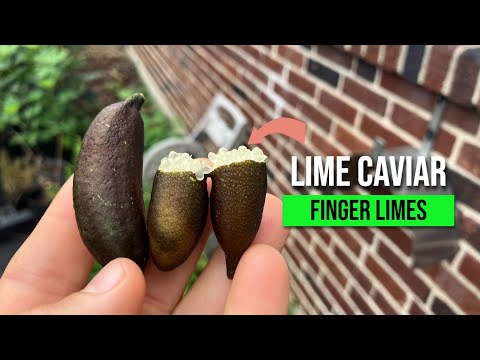
Extracting the pearls takes moments once you know the technique. I cut the fruit lengthwise down the middle, then simply squeeze – the vesicles tumble out readily, separating cleanly from the skin. Some people prefer cutting the fruit crosswise and squeezing from the cut end, which works equally well. Those jewel-like pearls can be used immediately or stored refrigerated in a sealed container for several days.
The texture and flavor of fresh finger lime vesicles are truly unique. They burst when bitten, releasing intense citrus juice – imagine caviar, but instead of fish flavor, you get bright, tangy citrus with subtle floral notes. Different colored varieties offer slight flavor variations, though all share that characteristic burst-in-your-mouth quality.
The commercial market for quality finger limes remains strong despite increasing production. Chefs continue seeking these fruits eagerly, willing to pay premium prices for fresh, high-quality specimens. I’ve built relationships with several restaurants that purchase my entire harvest at prices far exceeding what I receive for conventional citrus. That economic reality makes the extra effort of growing caviar limes worthwhile from a business perspective.
Final Thoughts: Is Growing Finger Limes Right for You?
After walking you through every aspect of cultivating Citrus australasica, you’re probably wondering whether you should take the plunge. The honest answer depends
on your specific situation, but I can share some guidance based on my experience helping numerous growers get started.
Growing these Australian natives successfully requires meeting certain baseline conditions. If you’re in USDA zones 9b through 11, or have the ability to provide winter protection in zone 8b, you’re in the viable range. If your climate is significantly colder, container growing with seasonal moving becomes necessary – perfectly doable, but more involved. Can you provide well-drained soil or create raised beds? Do you have locations with morning sun and afternoon shade, or at least filtered light? If you’re checking these boxes, you’re already halfway there.
The commitment level matters too. Finger limes aren’t difficult plants, but they’re not entirely hands-off either. They need consistent attention to watering, regular fertilization during the growing season, occasional pest monitoring, and annual pruning. If you’re someone who forgets about plants for weeks at a time, these probably aren’t your best choice. But if you enjoy spending time with your garden and find satisfaction in understanding plant needs, you’ll likely succeed beautifully.
Financial considerations come into play when deciding how many trees to plant. Quality grafted saplings run $40 to $80 each typically, though prices vary by variety and supplier. Add in soil amendments, containers if going that route, irrigation supplies, fertilizers, and other inputs, and you’re looking at real money before harvesting a single fruit. However, the first time you taste those bursting pearls from a tree you grew yourself, or the first time a chef purchases your harvest, the investment suddenly feels entirely justified.
Space requirements are actually quite reasonable compared to many fruit trees. A single finger lime tree can produce hundreds of fruits annually from a footprint of roughly six to eight feet in diameter. That’s incredibly productive for backyard situations. I’ve seen home gardeners successfully maintain three or four trees in modest suburban yards, providing enough fruit for personal use plus sharing with friends and neighbors.
The learning curve shouldn’t intimidate you. Yes, I’ve shared numerous details about soil, water, fertilization, and pest management throughout this guide, but remember – I learned all this gradually over multiple growing seasons. You don’t need to master everything immediately. Start with the basics: good drainage, appropriate light, consistent watering, and regular feeding. As you gain experience, you’ll develop instincts about what your trees need and when they need it.
One aspect that surprises many new growers is how engaging these plants become. There’s something genuinely captivating about watching finger lime trees progress through their annual cycle – the delicate flowers appearing in spring, the tiny fruits forming, the gradual growth and color development, finally reaching that magical moment when you harvest those first ripe fruits. I’ve found myself checking trees daily during flowering and fruiting periods, not because they need daily intervention, but simply because I enjoy observing the progression.
The community of finger lime enthusiasts continues growing, which means resources and support improve constantly. Online forums, social media groups, and specialty grower networks provide places to ask questions, share experiences, and learn from others facing similar challenges. I’ve benefited enormously from these connections, learning regional pest management strategies, discovering new varieties, and finding solutions to problems I couldn’t solve alone.
Expanding Your Knowledge and Connecting with Other Growers
Nobody becomes an expert finger lime grower overnight, and I’m still learning new things despite substantial experience with these plants. Staying connected to information sources and fellow growers accelerates your learning curve dramatically.
University extension services in subtropical regions often have citrus specialists who understand finger limes, even if these fruits aren’t their primary focus. I’ve consulted my local extension office multiple times for pest identification, soil testing interpretation, and fertilization recommendations. These services are typically free or very low-cost, funded through state agricultural programs. Don’t hesitate to reach out with questions – helping growers succeeds is literally their mission.
Specialty nurseries that sell finger lime trees often provide excellent growing information and customer support. They want you to succeed because successful customers become repeat buyers and recommend the nursery to others. I’ve had detailed email conversations with nursery owners about variety selection for my climate, rootstock options for my soil conditions, and troubleshooting problems with specific trees. That level of personalized guidance proves invaluable.
Books and online resources specific to citrus cultivation provide foundational knowledge applicable to finger limes, even if they don’t discuss Citrus australasica specifically. The basic principles of citrus care – soil requirements, nutrient needs, pest management, propagation techniques – translate across the citrus family. I’ve learned tremendously from comprehensive citrus growing guides, adapting the information to account for finger limes’ rainforest understory origins.
YouTube has become an surprisingly valuable resource, with numerous growers documenting their finger lime experiences through videos. Seeing someone demonstrate pruning techniques, harvest methods, or grafting procedures clarifies things that written descriptions sometimes leave murky. I’ve discovered new varieties, learned about different growing systems, and picked up numerous tips from video content creators who generously share their knowledge.
Social media platforms, particularly Instagram and Facebook, host active communities of exotic fruit growers where finger limes feature prominently. I’ve connected with growers from Australia, California, Florida, and other regions, comparing notes about varieties, discussing climate challenges, and sharing harvest photos. These informal networks often provide answers faster than formal information sources and offer real-world experience rather than theoretical knowledge.
Visiting other growers’ operations when possible provides education you simply cannot get from books or videos. Seeing mature finger lime trees in various growing systems, comparing different varieties side-by-side, and discussing management approaches with experienced cultivators accelerates learning dramatically. I’ve made several “field trips” to visit other exotic fruit farms, always returning with new ideas and renewed enthusiasm.
Creating the Ideal Growing System for Your Situation
One size definitely doesn’t fit all when it comes to finger lime cultivation, and the beauty of these adaptable plants is that multiple growing systems work successfully. Let me share several approaches I’ve seen succeed, so you can choose what fits your specific circumstances.
In-ground orchard style works beautifully in suitable climates with appropriate soil conditions. This traditional approach spaces trees eight to twelve feet apart in rows, with drip irrigation running along each row. The trees grow as naturally shaped specimens with minimal intervention beyond annual pruning. This system maximizes production per tree but requires the most land area. It’s ideal for commercial operations or home growers with ample space who want maximum long-term yield.
High-density container system suits space-limited situations perfectly. Multiple trees in large pots arranged on a patio, deck, or driveway create a productive mini-orchard in a tiny footprint. I’ve seen backyard growers maintain a dozen container-grown finger limes in spaces smaller than a typical bedroom. The mobility allows seasonal moving to optimize light exposure or protect from weather extremes. This approach demands more intensive maintenance but provides tremendous flexibility.
Espalier training against walls or fences creates a space-efficient two-dimensional growing system that looks beautiful and produces surprisingly well. The trees are pruned and trained to grow flat against a support structure, occupying minimal depth while spreading horizontally. I’ve experimented with espaliered finger limes along a south-facing fence, and while establishing the framework takes patience, the mature result is both productive and visually striking.
Greenhouse cultivation extends finger lime growing into climates otherwise too cold for success. Heated or even unheated greenhouses in cold regions provide sufficient protection for trees to survive and produce. The controlled environment allows precise management of temperature, humidity, and light. I’ve consulted with northern growers who successfully maintain finger lime trees in greenhouses, harvesting fresh fruit even while snow covers the ground outside.
Mixed planting integration incorporates finger limes into diverse edible landscapes alongside other subtropical fruits, vegetables, and ornamental plants. This approach mimics natural ecosystems, providing pest management benefits through biodiversity while creating visually interesting gardens. I use this system extensively, interplanting finger limes with guava, passion fruit, dwarf citrus, and various herbs in complex polyculture arrangements.
Choosing your system depends on several factors: available space, climate suitability, budget, time commitment, and personal preferences. Start with whatever system makes sense for your situation right now. You can always expand or modify approaches as you gain experience and understand what works best for your specific conditions.

Dwarf Finger Lime Tree

Best Way To Grow Finger Limes

Black Finger Lime

Why Are My Finger Limes Falling Off

Why Is My Finger Lime Not Fruiting

How To Tell If Finger Limes Are Ripe

Potting Mix For Finger Lime

Are Finger Limes Self Pollinating

Are Finger Limes Frost Tolerant

How To Look After Finger Limes

Finger Lime From Seed

Finger Lime In Pot

How To Plant Finger Lime Seeds

How Big Do Finger Lime Trees Grow

Finger Lime Taste

Finger Lime Leaves

How To Eat Finger Lime

How Long Do Finger Limes Take To Fruit

Australian Finger Lime Varieties

Finger Lime Tree

Australian Finger Lime

Where Do Finger Limes Grow Best

Why Is My Finger Lime Not Growing

How To Make Finger Lime Gin

How Long Does It Take For A Finger Lime To Fruit

Do Finger Limes Need Full Sun

Why finger lime does not bear fruit

Soil For Finger Lime

Native Finger Lime Fertilizer
