
Hey there, fellow fruit enthusiasts! Michael here, your friendly neighborhood exotic fruit farmer. Today, I’m going to spill the beans on growing one of my absolute favorite fruits: the pepino melon. Now, you might know this little beauty by other names like melon pear, tree melon, or even the fancy-pants scientific name Solanum muricatum. Whatever you call it, I’m here to tell you that growing this delightful fruit is an adventure worth embarking on!
Getting to Know Your Pepino Melon
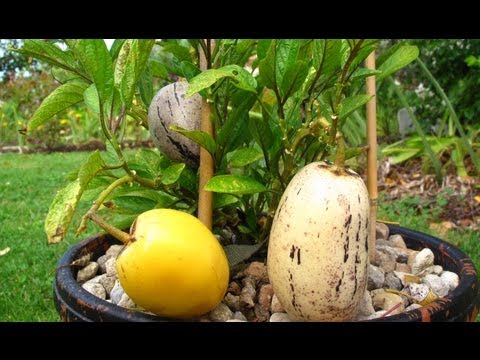
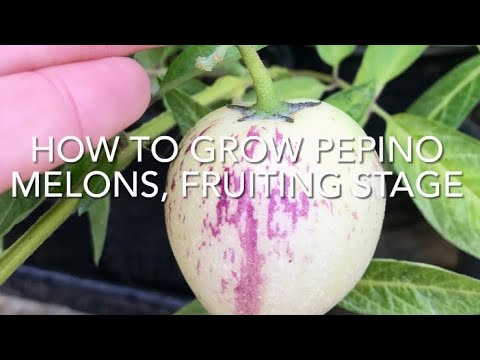
Before we dive into the nitty-gritty of growing pepino melons, let’s get acquainted with this quirky fruit. Picture this: a fruit that looks like it can’t decide whether it wants to be a melon or a pear. That’s our pepino for you! It’s got this smooth, yellow skin with purple stripes that make it look like it’s dressed up for a fruit costume party.

When it comes to taste, oh boy, are you in for a treat! Imagine biting into a fruit that tastes like a mix between a cucumber and a honeydew melon, with just a hint of cantaloupe thrown in for good measure. It’s like a flavor fiesta in your mouth!
One thing I love about pepino melons is their versatility. You can eat them fresh, toss them in fruit salads, or even use them in savory dishes. They’re like the chameleons of the fruit world – adaptable and always surprising!
Preparing Your Pepino Paradise
Alright, now that we’re all acquainted with our star fruit, let’s talk about setting up the perfect pepino paradise in your garden. First things first: location, location, location! These little guys love the sun, so pick a spot that gets plenty of it. Think of pepino melons as the sun-worshippers of the fruit world – they’ll soak up those rays like there’s no tomorrow!
When it comes to soil, pepino melons aren’t too picky, but they do have a few preferences. They like well-draining soil that’s rich in organic matter. I like to think of it as preparing a five-star hotel for my plants – they deserve the best, don’t they? Mix in some compost or well-rotted manure to give your soil that extra oomph.
Now, here’s a pro tip: pepino melons love slightly acidic soil. Aim for a pH between 6.0 and 6.5. If your soil is more alkaline, don’t worry! Just add some sulfur or peat moss to bring that pH down. It’s like adjusting the seasoning in a recipe – get it just right, and your pepinos will thank you!
One more thing to keep in mind: these plants can get pretty big, so give them some room to spread their wings (or should I say vines?). I usually plant them about 3 feet apart in rows that are 4-5 feet apart. Trust me, they’ll use every inch of that space!
Planting Your Pepino Promises
Now comes the exciting part – planting! You’ve got two options here: seeds or cuttings. If you’re starting from seeds, plant them indoors about 6-8 weeks before the last frost date in your area. It’s like giving your pepinos a head start in life – they’ll thank you later!
When planting the seeds, use small pots filled with seed-starting mix. Plant the seeds about 1/4 inch deep and keep the soil moist but not waterlogged. In about 7-14 days, you’ll see little green sprouts poking their heads up. It’s like magic, I tell you!
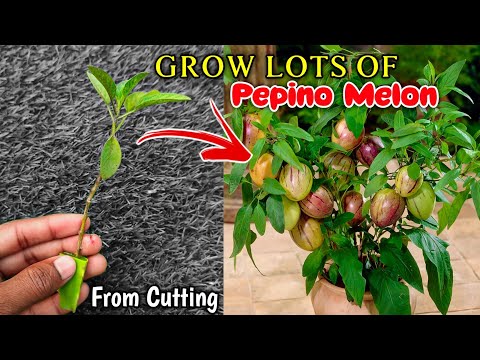
If you’re going the cutting route (which is my preferred method), take 6-inch cuttings from a healthy pepino plant. Remove the lower leaves and dip the cut end in rooting hormone. Then, plant the cutting in a pot filled with moist potting mix. Keep it in a warm, humid place, and in a few weeks, you’ll have roots!
Once your seedlings or rooted cuttings are ready and all danger of frost has passed, it’s time to move them to their forever home in your garden. Dig a hole slightly larger than the root ball, place your plant in, and backfill with soil. Give it a good watering, and voila! You’re officially a pepino parent!
Nurturing Your Pepino Babies
Now that your pepino melons are in the ground, it’s time to give them some TLC. These plants are like teenagers – they need constant attention and feeding! Let’s start with watering. Pepino melons like consistent moisture, but they’re not fans of wet feet. Water deeply once or twice a week, depending on your climate. A good rule of thumb is to stick your finger in the soil – if it’s dry up to your first knuckle, it’s time to water.
When it comes to fertilizing, pepino melons are hungry little beasts. They love a good feed every 4-6 weeks during the growing season. I use a balanced, all-purpose fertilizer, but if you want to get fancy, you can use a fertilizer specifically formulated for fruiting plants. Just remember, more isn’t always better – over-fertilizing can lead to lots of leaves but not much fruit. It’s all about balance, folks!
Now, let’s talk about support. As your pepino plants grow, they might need a little help standing tall. I like to use stakes or a trellis to keep them upright. It’s like giving them a backbone – they’ll thank you by producing more fruit!
One thing to keep an eye out for is pests. Pepino melons can be susceptible to aphids, whiteflies, and spider mites. If you see any of these little buggers, don’t panic! A strong spray of water can often do the trick, or you can use insecticidal soap for tougher cases. Remember, we’re aiming for a pepino paradise, not a pest party!
The Waiting Game and Harvest Time
Alright, you’ve planted, watered, fed, and nurtured your pepino melons. Now comes the hardest part – waiting! Pepino melons typically take about 4-6 months from planting to harvest. I know, I know, it feels like forever. But trust me, good things come to those who wait!

So, how do you know when your pepinos are ready to harvest? It’s all about color and feel. A ripe pepino melon will have a golden yellow color with those distinctive purple stripes we talked about earlier. Give it a gentle squeeze – if it yields slightly to pressure, it’s ready to pick!
Here’s a pro tip: pepino melons will continue to ripen after they’re picked, so it’s better to harvest them a little early rather than too late. If you leave them on the plant too long, they can get overripe and mushy. Nobody wants a mushy pepino!
Enjoying the Fruits of Your Labor
Congratulations! You’ve successfully grown your very own pepino melons. Now comes the best part – eating them! As I mentioned earlier, these fruits are incredibly versatile. You can simply cut them in half and scoop out the flesh with a spoon for a quick and refreshing snack. Or, get creative and add them to fruit salads, smoothies, or even savory dishes.
One of my favorite ways to enjoy pepino melons is to slice them thinly and add them to a summer salad with some prosciutto and fresh mozzarella. The sweet, refreshing taste of the pepino pairs perfectly with the salty prosciutto and creamy cheese. Trust me, it’s a flavor combination that’ll knock your socks off!
Don’t forget to save some seeds from your best fruits for next year’s crop. It’s like creating a pepino melon family tree – each generation gets better and better!
Well, there you have it, folks – everything you need to know about growing pepino melons. It’s been a pleasure sharing my pepino passion with you. Remember, gardening is all about experimentation and learning. So don’t be afraid to try new things, make mistakes, and most importantly, have fun!
Now, if you’ll excuse me, I’ve got some pepino melons calling my name. Happy gardening, and may your harvests be bountiful!

How To Pick A Pepino Melon

Different Types Of Pepino Melon

Propagating Pepino Melon

How To Cut Up A Pepino Melon

Pepino Melon Seed

Pepino Melon Taste

How Can You Tell When A Pepino Melon Is Ripe

Uses Of Pepino Melon

How To Grow Pepino Melon From Seeds

Can You Eat Pepino Melon Skin

Pepino Melon Growing Zone
