
Hey there, green thumbs and fruit enthusiasts! Today, I’m going to spill the beans (or should I say, seeds?) on how to grow one of the most fascinating plants in my orchard: the screw pine. Now, don’t let the name fool you – this isn’t your average pine tree, and it’s certainly not a screw!
Before we dig in (pun intended), let’s clear up some name confusion. Screw pine, Pandanus, pandan, fragrant screw pine – they’re all referring to the same incredible plant, scientifically known as Pandanus tectorius. And let me tell you, growing these babies is an adventure that’ll keep you on your toes!
Getting to Know Your Screw Pine
Picture this: you’re walking through a tropical paradise, and you spot a tree that looks like it’s straight out of a Dr. Seuss book. Long, spiky leaves spiral up the trunk, and at the top, there’s a bunch of what looks like pineapples having an identity crisis. That, my friends, is the screw pine in all its glory.

But here’s the kicker: growing screw pine isn’t for the faint of heart. It’s a test of patience, skill, and maybe a little bit of luck. But oh boy, when you see that first fruit start to form, it’s like watching your own kid graduate. Magical, I tell you!
So, are you ready to embark on this green-thumbed journey with me? Buckle up, because we’re about to dive deep into the world of Pandanus propagation!
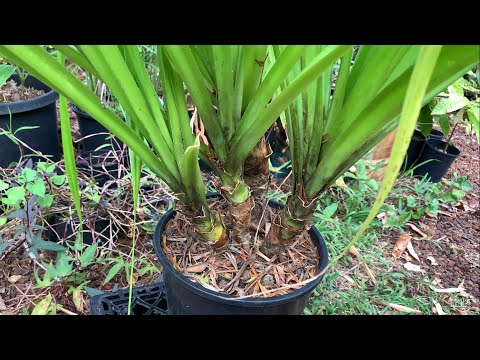
Choosing Your Battlefield: Site Selection
Alright, future screw pine farmers, let’s talk location, location, location! These tropical beauties aren’t exactly low-maintenance roommates – they’ve got some specific needs when it comes to their living situation.
First things first, screw pines are sun worshippers. They need full sun to partial shade, but let me tell you, the more sun, the merrier. Think of them as the beach bums of the plant world – they’re happiest when they’re soaking up those rays.
Now, let’s talk soil. Screw pines aren’t too picky, but they do have a preference for well-draining, slightly acidic soil. Sandy loam is their jam. If your soil is heavier, no worries – just mix in some sand or perlite. Think of it as creating a beachfront property for your plant!
Here’s a pro tip: screw pines are coastal plants by nature, which means they’re pretty tolerant of salt. So if you live near the ocean, you’re in luck! Just don’t go planting them right on the beach – even these tough cookies need some protection from direct salt spray.
Oh, and one more thing – space. These aren’t your average houseplants. In their natural habitat, screw pines can grow up to 30 feet tall! Now, don’t panic – with some pruning, you can keep them manageable. But do give them room to spread their leaves. Think of it as respecting their personal space bubble.
The Great Debate: Seeds vs. Cuttings
Now that we’ve got our location sorted, it’s time for the million-dollar question: seeds or cuttings? It’s like choosing between pancakes and waffles for breakfast – both are great, but each has its own charm.
Let’s start with seeds. Growing from seed is like watching a magic show in slow motion. It’s fascinating, but boy, does it require patience! Screw pine seeds can take anywhere from a few weeks to several months to germinate. And even then, it’ll be years before you see any fruit. But there’s something special about nurturing a plant from its very beginning.
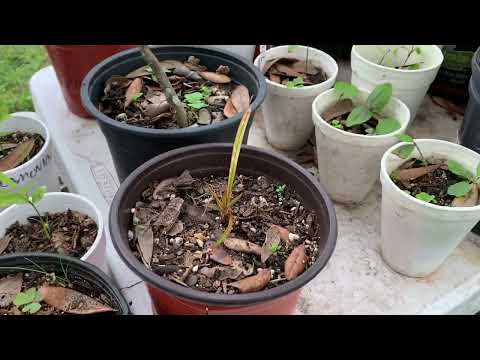
If you’re going the seed route, here’s what you need to know. Soak the seeds in water for 24 hours before planting. Then, plant them about an inch deep in well-draining potting mix. Keep the soil moist but not waterlogged – think tropical rainforest, not swamp. And whatever you do, don’t let them dry out!
Now, let’s talk cuttings. This is the fast-track option, like taking the express train instead of the scenic route. You’ll get a mature plant faster, and you know exactly what you’re getting. Plus, it’s a great way to clone a particularly awesome screw pine.
To propagate from cuttings, look for a healthy branch with at least three leaf segments. Cut it at a 45-degree angle, remove the lower leaves, and let it dry for a day or two to form a callus. Then, dip it in rooting hormone (optional, but it helps) and plant it in a mix of sand and peat moss. Keep it warm and humid, and in a few weeks, you should see roots forming.
The Waiting Game: Care and Maintenance
Congratulations! You’ve got your screw pine started. Now comes the hard part – waiting. And let me tell you, watching a screw pine grow is about as exciting as watching paint dry. But don’t lose heart! These slow-growing beauties are worth the wait.
Let’s talk watering. Screw pines like it moist, but not waterlogged. Think of them as the Goldilocks of the plant world – not too wet, not too dry, but just right. During the growing season, water them regularly, but let the soil dry out a bit between waterings. In winter, cut back on the H2O – these guys don’t like wet feet in cold weather.

Now, let’s talk about those spiky leaves. They’re not just for show – they can be sharp! When pruning or handling your screw pine, wear gloves. Trust me, your hands will thank you. And speaking of pruning, don’t be afraid to give your plant a haircut now and then. It’ll help keep it manageable and encourage bushier growth.
Oh, and one more thing – support. As your screw pine grows, it might need a little help staying upright. Those aerial roots aren’t just for show – they’re the plant’s natural support system. But in cultivation, they might need a hand. A stake or trellis can work wonders.
The Moment of Truth: Fruiting and Harvesting
Alright, patient gardeners, the moment you’ve been waiting for is finally here! Your screw pine is mature, and it’s time to talk fruit. Now, I hate to be the bearer of bad news, but I’ve got to warn you – not all screw pines will fruit. These plants are dioecious, meaning there are male and female plants. Only the ladies produce fruit, and even then, they need a male plant nearby for pollination.
- If you’re one of the lucky ones with a female plant, get ready for a show. The fruit starts as a small, green ball and slowly grows into a large, segmented sphere. It’s like watching a disco ball grow on your tree! As it ripens, it’ll turn orange or reddish-brown.
- Now, here’s the tricky part – knowing when to harvest. A ripe screw pine fruit will give slightly when squeezed, kind of like a ripe avocado. The segments will start to separate a bit, and you might catch a whiff of that sweet, tropical aroma. If it falls off the tree, you’ve waited too long!
- Harvesting is a bit of an art. The fruit is heavy and can be awkward to handle. I like to cup it in both hands and gently twist it off the stem. And watch out for those leaves – remember, they’re sharp!
Once you’ve got your fruit, the possibilities are endless. Some folks eat it fresh, others use it in cooking. Me? I like to share it with friends and watch their faces as they try to figure out how to eat this alien-looking fruit. It’s better than any reality TV show, I tell you!
The Circle of Life: Continuing the Legacy
Well, my fellow fruit enthusiasts, we’ve come full circle. From seed (or cutting) to fruit, you’ve nurtured your screw pine through every stage of its life. But here’s the beautiful thing about gardening – it’s never really over.
If you’ve successfully grown fruit, why not try propagating from those seeds? Or maybe take a cutting from your thriving plant and start the process all over again. It’s like having grandkids, but without the college tuition!
Remember, every screw pine is unique. Some might grow tall and lanky, others bushy and wide. Some might fruit early, others might take their sweet time. That’s the beauty of gardening – it’s always an adventure.
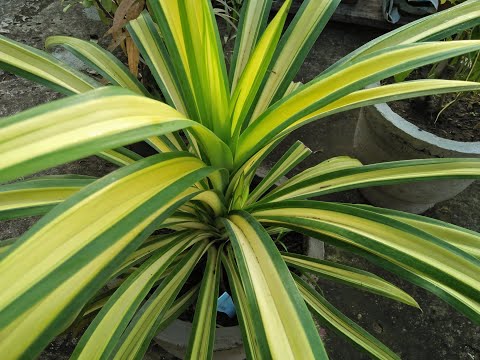
As you continue on your screw pine journey, don’t forget to stop and smell the… well, pandan leaves. Take time to appreciate the unique beauty of your plant, from its spiral leaves to its alien-like fruit. And who knows? You might just become the neighborhood’s go-to person for all things Pandanus!
So there you have it, folks – everything you need to know about growing screw pine. It’s a journey that requires patience, dedication, and a fair bit of green-thumbed magic. But when you’re sipping on that pandan-flavored coconut shake, lounging in the shade of your very own Pandanus tree, you’ll know it was all worth it.
Remember, every great farmer started with a single seed. So why not make that seed a screw pine? Trust me, your future self will thank you. Happy growing, and may your thumbs always be green!

Screw Pine Leaves

Screw Pine Tree

Screw Pine Seeds

How To Eat Screw Pine Fruit

How To Propagate Screw Pine

Growing Screw Pine From Seeds

Screw Pine Vs Pandan

How Fast Do Screw Pine Trees Grow

What Does Screw Pine Taste Like

Characteristic Of Screw Pine

Variegated Screw Pine Houseplant

Will A Screw Pine Grow In Florida

Dwarf Screw Pine

Screw Pine Growth Rate

Are Screw Pine Fruit Edible

How To Care For A Screw Pine
