Growing soursop from seed is a rewarding experience, allowing you to cultivate this tropical fruit tree from scratch. This guide will walk you through the process, from seed selection to planting and care, enabling you to enjoy the delicious and unique flavor of soursop in your own backyard.
Selecting and Preparing Seeds
Soursop, a tropical fruit known for its unique flavor and numerous health benefits, can be successfully grown from seeds. While it may seem daunting, the process is relatively straightforward and rewarding. The first step involves selecting and preparing the seeds for germination.
To begin, choose ripe soursop fruits, as these will yield the most viable seeds. The seeds should be plump and dark brown, indicating their maturity. Once you have your soursop, carefully cut it open and remove the seeds. Rinse them thoroughly under running water to remove any remaining pulp or debris.
Next, you need to prepare the seeds for planting. This involves removing the outer fleshy coating, which can hinder germination. You can achieve this by gently rubbing the seeds against a rough surface, such as a piece of sandpaper or a concrete block. Alternatively, you can soak the seeds in water for a few days, allowing the outer coating to soften and peel off easily.

Once scarified, the seeds are ready for planting. You can choose to sow them directly into the ground or start them in seed trays or pots. If planting directly into the ground, ensure the soil is well-drained and rich in organic matter. Dig small holes, about an inch deep, and place one seed in each hole. Cover the seeds with soil and water them thoroughly.
For starting seeds in trays or pots, fill them with a seed-starting mix and make small indentations. Place one seed in each indentation and cover them with a thin layer of soil. Water the seeds gently, ensuring the soil remains moist but not waterlogged.
After planting, it is essential to provide the seeds with optimal conditions for germination. Soursop seeds thrive in warm temperatures, ideally between 75°F and 85°F. Maintain a consistent level of moisture by watering regularly, but avoid overwatering, which can lead to root rot.
With proper care, soursop seeds will germinate within a few weeks. Once the seedlings emerge, they will require regular watering and fertilization to promote healthy growth. As the seedlings grow larger, they can be transplanted into larger pots or directly into the ground, depending on your climate and growing conditions.
By following these steps, you can successfully grow soursop from seeds and enjoy the delicious fruits of your labor. Remember to be patient and provide the necessary care, and you will be rewarded with a thriving soursop tree that will produce sweet and tangy fruits for years to come.
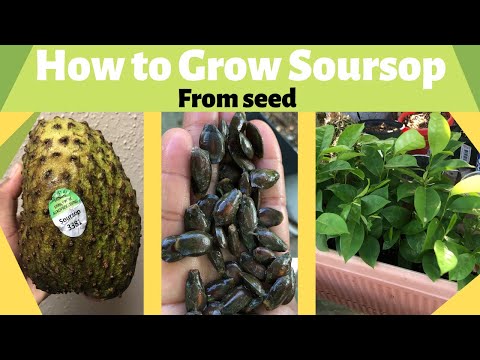
Sowing Soursop Seeds: The Right Way
- First, you’ll need to source fresh soursop seeds. Ideally, these should be extracted from ripe fruits, as they have the highest germination potential. Once you have your seeds, it’s crucial to prepare them for planting. This involves removing the fleshy pulp that clings to the seeds, as it can hinder germination. Gently rub the seeds under running water to remove any remaining pulp, and then allow them to dry completely.
- Now, it’s time to choose the right planting medium. Soursop seeds thrive in well-drained, fertile soil. A mixture of potting soil, compost, and perlite is an excellent option. Fill your chosen containers, which can be pots or seed trays, with this mixture, leaving about an inch of space at the top.
- With your planting medium ready, you can sow the seeds. Place each seed about half an inch deep in the soil, ensuring they are spaced adequately to allow for proper growth. After planting, gently water the soil, making sure it’s moist but not waterlogged.
- Once your seeds are planted, it’s important to provide them with the right environment for germination. Soursop seeds prefer warm temperatures, ideally between 75°F and 85°F. You can achieve this by placing your containers in a warm, sunny location or using a heat mat. Additionally, maintaining consistent moisture is crucial. Water the soil regularly, ensuring it doesn’t dry out completely.
- Germination can take anywhere from a few weeks to a couple of months, depending on the seed quality and environmental conditions. Be patient and keep the soil moist and warm. Once the seedlings emerge, you’ll need to provide them with adequate light. Place them in a location that receives at least six hours of direct sunlight daily.
- As your soursop seedlings grow, you’ll need to thin them out. This involves removing weaker seedlings to give the strongest ones more space to thrive. You can also transplant the seedlings into larger pots as they grow, ensuring they have enough room for their roots to develop.
Growing soursop from seed requires dedication and patience, but the rewards are well worth the effort. With proper care and attention, you can enjoy the sweet, tangy taste of your own homegrown soursop fruit in a few years. Remember to provide your plants with adequate sunlight, water, and nutrients, and you’ll be on your way to a bountiful harvest.
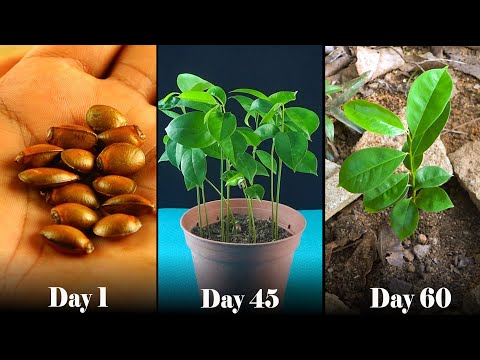
Caring for Soursop Seedlings: From Sprout to Sapling
Firstly, it is crucial to select a suitable location for your soursop seedlings. They thrive in warm, sunny environments, ideally with at least six hours of direct sunlight per day. A well-drained soil is essential, as soursop seedlings are susceptible to root rot in waterlogged conditions. If you are planting them in containers, ensure they have drainage holes to prevent water accumulation.
Once you have chosen the ideal location, it is time to transplant your soursop seedlings. This should be done when they are a few inches tall, with a strong root system. Gently remove the seedlings from their original containers, taking care not to damage the roots. Plant them in the prepared soil, ensuring the root ball is covered and the base of the stem is at ground level. Water the seedlings thoroughly after planting.

As your soursop seedlings grow, they will require nutrients to support their development. You can provide these nutrients through regular fertilization. A balanced fertilizer, such as a 10-10-10 formula, can be applied every few weeks during the growing season. However, it is important to follow the instructions on the fertilizer packaging to avoid over-fertilizing, which can damage the seedlings.
In addition to water and nutrients, soursop seedlings also benefit from regular pruning. This helps to shape the tree and encourage healthy growth. Prune away any dead or diseased branches, as well as any branches that are growing too close together or in an undesirable direction. Pruning should be done during the dormant season, when the tree is not actively growing.
As your soursop seedlings mature into saplings, they will become more resilient to pests and diseases. However, it is still important to monitor them for any signs of trouble. Common pests include aphids, mealybugs, and scale insects. These can be controlled with insecticidal soap or neem oil. Diseases such as anthracnose and leaf spot can be treated with fungicides.
With proper care and attention, your soursop seedlings will flourish into healthy saplings, eventually producing delicious and nutritious fruit. The journey from sprout to sapling is a rewarding one, offering a glimpse into the fascinating world of plant growth and development. By providing the right conditions for growth, you can ensure that your soursop trees thrive and provide you with years of enjoyment.
Transplanting Soursop Seedlings: A Guide to Success
Transplanting soursop seedlings is a crucial step in cultivating this tropical fruit tree. While soursop seeds are relatively easy to germinate, successfully transplanting them requires careful attention to detail and proper techniques. This guide will provide you with the necessary information to ensure your soursop seedlings thrive in their new home.
- Before transplanting, it’s essential to select the right time. The ideal time for transplanting soursop seedlings is during the rainy season or when the weather is consistently warm and humid. This allows the seedlings to establish themselves quickly and minimizes stress. Additionally, ensure the seedlings are at least 6-8 inches tall and have developed a strong root system.
- Once you’ve chosen the appropriate time, prepare the planting site. Soursop trees prefer well-drained soil with a pH range of 6.0-7.0. Amend the soil with compost or manure to improve its fertility and drainage. Dig a hole that is twice the width and depth of the seedling’s root ball.
- When transplanting, gently remove the seedling from its container, being careful not to disturb the root ball. Place the seedling in the hole, ensuring the root crown is level with the soil surface. Backfill the hole with the amended soil, gently firming it around the roots. Water the seedling thoroughly to settle the soil and encourage root growth.
- After transplanting, provide regular watering, especially during the first few weeks. The soil should be kept consistently moist but not waterlogged. Mulching around the base of the seedling can help retain moisture and suppress weeds.
- To protect your young soursop tree from pests and diseases, consider using a natural insecticide or fungicide. Regularly inspect the tree for any signs of infestation or disease and take appropriate action if necessary.
- As the soursop tree grows, it will require regular pruning to maintain its shape and encourage fruit production. Prune away any dead, diseased, or crossing branches. You can also prune to remove any suckers that grow from the base of the tree.
Transplanting soursop seedlings can be a rewarding experience, leading to a bountiful harvest of delicious soursop fruit. By following these guidelines, you can increase your chances of success and enjoy the sweet taste of your own homegrown soursop. Remember, patience and consistent care are key to nurturing a healthy and productive soursop tree.
Growing Soursop Trees: From Seed to Fruit
- The first step in growing soursop from seed is to obtain fresh, ripe fruit. Choose a soursop that is free of blemishes and has a slightly soft texture, indicating ripeness. Once you have your fruit, carefully extract the seeds, ensuring they are free of any remaining pulp. Rinse the seeds thoroughly under running water to remove any clinging fruit residue.
- After cleaning, the seeds should be dried in a well-ventilated area, away from direct sunlight. This drying process helps to harden the seed coat and improve germination rates. Once the seeds are dry, they can be sown directly into pots or seed trays filled with a well-draining potting mix. The seeds should be planted about half an inch deep and spaced a few inches apart.
- Keep the soil consistently moist but not waterlogged. Soursop seeds typically germinate within a few weeks, but it can take up to a month or more. Once the seedlings emerge, provide them with ample sunlight and ensure they receive adequate water. As the seedlings grow, they will need to be repotted into larger containers to accommodate their expanding root systems.
- Soursop trees are tropical plants that thrive in warm, humid climates. They prefer full sun and well-drained soil. When planting your soursop tree outdoors, choose a location that receives at least six hours of direct sunlight daily. The soil should be rich in organic matter and have a pH between 6.0 and 7.0.
- Once your soursop tree is established, it will require regular watering, especially during dry periods. Fertilize the tree every few months with a balanced fertilizer to promote healthy growth. As the tree matures, it will begin to produce flowers, which will eventually develop into the distinctive soursop fruits.
Growing soursop from seed is a rewarding journey that allows you to witness the entire life cycle of this fascinating fruit tree. While it may take several years for your tree to bear fruit, the anticipation and satisfaction of nurturing a plant from seed to maturity are well worth the effort. With proper care and attention, your soursop tree will flourish, providing you with a bountiful harvest of delicious and exotic fruit for years to come.

Q&A
**1. How do I extract seeds from a soursop fruit?**
* Cut the fruit open and scoop out the pulp. Rinse the pulp in a strainer to separate the seeds from the flesh.
**2. How do I prepare the seeds for planting?**
* Clean the seeds thoroughly and allow them to dry completely.
**3. What is the best time to plant soursop seeds?**
* Plant seeds during the warm season, ideally after the last frost.
**4. What kind of soil do soursop trees need?**
* Soursop trees prefer well-drained, fertile soil with a slightly acidic pH.
**5. How long does it take for a soursop tree to produce fruit?**
* It can take 3-5 years for a soursop tree to start producing fruit.