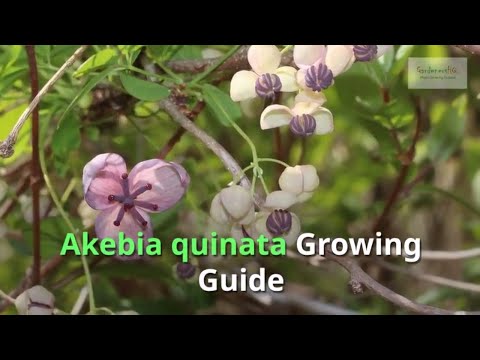
Akebia quinata, also known as chocolate vine, is a beautiful and fragrant climbing vine that can add a touch of elegance to any garden. Growing akebia from seed can be a rewarding experience, allowing you to cultivate your own unique plant. This guide will provide you with step-by-step instructions on how to successfully grow akebia quinata from seed.
Collecting and Preparing Seeds
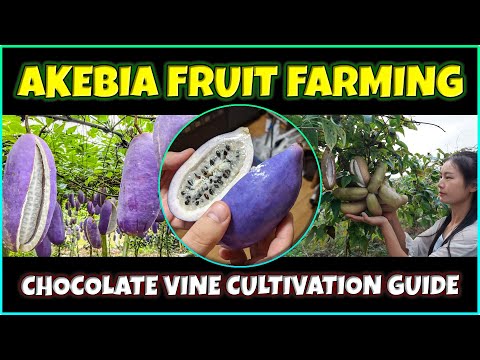
The first step in growing Akebia quinata from seed is collecting the seeds. This can be done by harvesting ripe fruits from established plants. The fruits, which resemble small, elongated sausages, turn from green to purple when ripe. Once ripe, the fruits can be gently squeezed to release the seeds. The seeds are small, black, and have a hard outer coating.
After collecting the seeds, it is crucial to prepare them for germination. The hard seed coat can prevent water and oxygen from reaching the embryo, hindering germination. To overcome this, a process called scarification is necessary. Scarification involves weakening or breaking the seed coat to facilitate germination. This can be achieved through various methods. One common method is mechanical scarification, which involves gently rubbing the seeds against sandpaper or using a file to create small scratches on the seed coat. Another method is chemical scarification, which involves soaking the seeds in concentrated sulfuric acid for a short period. However, this method requires caution and should be performed with proper safety measures.

It is important to maintain a consistently moist environment for the seeds. This can be achieved by covering the seed tray or pots with a clear plastic dome or wrap. The seeds should be kept in a warm location with temperatures ranging from 70 to 75 degrees Fahrenheit. Germination can take several weeks or even months, so patience is key.
Once the seedlings emerge, they should be gradually acclimated to outdoor conditions. This can be done by gradually increasing the amount of time they spend outdoors each day. Once the seedlings have developed a few true leaves, they can be transplanted into larger pots or directly into the garden.
Growing Akebia quinata from seed can be a rewarding experience, allowing you to witness the entire life cycle of this beautiful vine. By following these steps and exercising patience, you can successfully cultivate your own chocolate vine and enjoy its beauty for years to come.
Sowing Seeds Indoors
Sowing Akebia quinata seeds indoors is a relatively straightforward process that can be undertaken during the winter months, ensuring the seeds have ample time to germinate before the arrival of spring. To begin, collect fresh seeds from ripe fruit. The seeds are encased in a fleshy pulp, which needs to be removed before sowing. This can be achieved by gently rubbing the seeds against a screen or mesh, allowing the pulp to wash away. Once the seeds are clean, they should be scarified to improve their germination rate. Scarification involves weakening the seed coat, allowing water and oxygen to penetrate more easily. This can be done by gently nicking the seed coat with a sharp knife or by soaking the seeds in warm water for 24 hours.
After scarification, the seeds are ready for sowing. Choose a seed tray or small pots filled with a well-draining seed-starting mix. Sow the seeds about ¼ inch deep and space them a few inches apart. Gently water the seeds and cover the tray or pots with a clear plastic dome or wrap to create a humid environment. Place the container in a warm, bright location, but avoid direct sunlight. Germination can take several weeks, so patience is key.
During the germination process, it is crucial to maintain a consistently moist environment. Regularly check the soil moisture and water as needed, ensuring the soil does not become waterlogged. The plastic dome or wrap should be removed periodically to allow for air circulation and prevent the buildup of condensation. Once the seedlings emerge, they will need adequate light to thrive. If natural light is limited, consider using a grow lamp to provide supplemental illumination.
As the seedlings grow, they will require repotting into larger containers to accommodate their expanding root systems. Choose pots that are slightly larger than the previous ones and ensure they have drainage holes to prevent waterlogging. Repotting should be done carefully to avoid damaging the delicate roots.
Once the seedlings have developed a few sets of true leaves, they can be hardened off before being transplanted outdoors. Hardening off involves gradually acclimating the seedlings to outdoor conditions. This can be done by placing them in a sheltered location for increasing periods each day, starting with a few hours and gradually extending the time until they can tolerate full sun and wind.
Transplanting the seedlings outdoors should be done in the spring after the last frost has passed. Choose a location that receives at least six hours of sunlight per day and has well-drained soil. Dig a hole slightly larger than the root ball and gently place the seedling in the hole, ensuring the root crown is at soil level. Backfill the hole with soil and water thoroughly.
Growing Akebia quinata from seed can be a rewarding experience, allowing you to cultivate a beautiful and unique climbing vine from its very beginning. By following these steps, you can ensure your seeds germinate successfully and your seedlings thrive, eventually producing a stunning addition to your garden.
Transplanting Seedlings Outdoors
Once your Akebia quinata seedlings have developed their first true leaves and are a few inches tall, it’s time to transplant them outdoors. This process requires careful handling to ensure the delicate seedlings thrive in their new environment.
First, select a location that receives dappled shade to full sun. Akebia quinata prefers well-drained soil with a slightly acidic pH. Prepare the planting site by loosening the soil to a depth of at least 12 inches. This will allow the roots to spread easily and access nutrients.

After transplanting, water the seedlings thoroughly to settle the soil and encourage root establishment. It’s important to keep the soil consistently moist, especially during the first few weeks after transplanting. Mulching around the base of the seedlings with organic material, such as wood chips or shredded bark, will help retain moisture and suppress weeds.
As the seedlings grow, they may need support. Akebia quinata is a vigorous vine, and its stems can become quite long. You can provide support by installing a trellis or fence near the planting site. The vines will naturally climb and intertwine, creating a beautiful and lush display.
During the first year, it’s important to monitor the seedlings for any signs of pests or diseases. Akebia quinata is generally resistant to pests and diseases, but it’s always a good idea to be vigilant. If you notice any problems, consult a local nursery or gardening expert for advice on treatment.
With proper care and attention, your Akebia quinata seedlings will flourish in their new outdoor home. They will reward you with their beautiful foliage, fragrant flowers, and delicious edible fruit. Enjoy the process of watching these vines grow and thrive, knowing that you have nurtured them from seed to maturity.
Caring for Seedlings
The first crucial step in caring for Akebia quinata seedlings is providing them with adequate light. While they can tolerate some shade, these seedlings thrive in bright, indirect light. A sunny windowsill or a sheltered spot outdoors with dappled sunlight is ideal. However, it’s important to avoid exposing them to direct sunlight, especially during the hottest part of the day, as this can scorch their delicate leaves.
Next, you need to ensure the seedlings have well-draining soil. Akebia quinata seedlings are susceptible to root rot if their soil becomes waterlogged. A mixture of potting soil, compost, and perlite or vermiculite provides excellent drainage and aeration. When watering, allow the top inch of soil to dry out between waterings. Overwatering can lead to root problems, so it’s essential to strike a balance between keeping the soil moist and preventing it from becoming soggy.
As the seedlings grow, they will require regular fertilization to provide them with the nutrients they need to thrive. A balanced liquid fertilizer diluted to half strength can be applied every two weeks during the growing season. However, it’s important to avoid over-fertilizing, as this can damage the roots.
Once the seedlings have developed a few sets of true leaves, they can be transplanted into larger pots or directly into the garden. When transplanting, handle the seedlings carefully to avoid damaging their delicate roots. Choose a location that receives at least four hours of sunlight per day and has well-drained soil.
As the Akebia quinata seedlings mature, they will begin to climb. To encourage their growth, provide them with a sturdy support structure, such as a trellis, fence, or arbor. The vines will naturally cling to the support, creating a beautiful and lush display.
Regular pruning is essential for maintaining the shape and health of your Akebia quinata plants. Pruning can be done in late winter or early spring before new growth emerges. Remove any dead, diseased, or crossing branches to promote air circulation and prevent overcrowding.
With proper care and attention, your Akebia quinata seedlings will flourish and reward you with their beautiful flowers, unique fruit, and lush foliage. By providing them with the right conditions for growth, you can enjoy the beauty and versatility of this remarkable climbing vine for years to come.
Troubleshooting Seedling Growth
One of the most common problems is slow germination. Akebia quinata seeds have a hard seed coat that can prevent water and oxygen from reaching the embryo. To overcome this, scarification is often recommended. This involves nicking or scratching the seed coat with a sharp knife or sandpaper. This process helps to weaken the seed coat and allow for easier germination.
- Another issue that may arise is damping off, a fungal disease that affects young seedlings. Damping off is often caused by overwatering or poor drainage, which creates a humid environment that is conducive to fungal growth. To prevent damping off, it is important to use a well-draining potting mix and avoid overwatering. You can also treat the soil with a fungicide to help control fungal growth.
- Seedlings may also struggle with nutrient deficiencies. Akebia quinata seedlings require a balanced supply of nutrients to grow properly. If the soil is lacking in essential nutrients, the seedlings may exhibit stunted growth, yellowing leaves, or other signs of malnutrition. To address this, you can use a balanced fertilizer specifically formulated for seedlings.
- In addition to these common issues, there are other factors that can affect Akebia quinata seedling growth. For example, insufficient light can lead to weak and leggy seedlings. Ensure that your seedlings are placed in a location that receives adequate sunlight, but avoid direct sunlight, which can scorch the delicate leaves.
- Furthermore, temperature fluctuations can also impact seedling growth. Akebia quinata seedlings prefer warm temperatures, but they can be sensitive to extreme heat or cold. It is important to maintain a consistent temperature range for optimal growth.
- If you encounter any problems with your Akebia quinata seedlings, it is important to identify the cause and take appropriate action. By addressing these issues promptly, you can increase the chances of successfully growing healthy and vigorous Akebia quinata plants.
Remember, patience is key when growing Akebia quinata from seed. It may take several weeks or even months for the seeds to germinate, and the seedlings may grow slowly at first. However, with proper care and attention, you can enjoy the beauty of this unique and rewarding vine for years to come.

Q&A
## How To Grow Akebia Quinata From Seed: 5 Questions & Answers
**1. When is the best time to sow Akebia quinata seeds?**
**Answer:** Spring is the ideal time to sow Akebia quinata seeds.
**2. How do I prepare the seeds for planting?**
**Answer:** Soak the seeds in warm water for 24 hours before planting. This helps to soften the seed coat and promote germination.
**3. What type of soil is best for Akebia quinata seeds?**
**Answer:** Akebia quinata prefers well-drained, slightly acidic soil.
**4. How deep should I plant the seeds?**
**Answer:** Plant the seeds about 1/4 inch deep in the soil.
**5. How long does it take for Akebia quinata seeds to germinate?**
**Answer:** Akebia quinata seeds can take several weeks to germinate, sometimes even up to a few months.Akebia quinata seeds require a period of cold stratification to germinate. This can be achieved by sowing seeds outdoors in the fall or by stratifying them in a refrigerator for several months. Once the seeds have germinated, they can be transplanted to a sunny location with well-drained soil. With proper care, Akebia quinata plants can grow into beautiful, fragrant vines that add a touch of elegance to any garden.