

There is a certain magic that happens in a San Diego orchard when the morning fog burns off and reveals the striking silhouette of an Arbutus unedo. Most folks know this beauty as the Strawberry Tree, or occasionally by its older moniker, the Cane Apple.

The Strawberry Tree is a deceptive plant; it looks rugged, but it requires a thoughtful hand. Unlike the sturdy citrus trees I manage, the Arbutus is an Ericaceae family member, making it a cousin to blueberries and rhododendrons. It doesn’t forgive aggressive hacking the way a fig tree might. Over the years, I have learned that pruning this species is less about heavy reduction and more about careful editing to expose that gorgeous, peeling bark while maintaining fruit production.
The Strawberry Tree is unique because it carries both flowers and mature fruit simultaneously in late autumn and winter. This means aggressive pruning at the wrong time often sacrifices the current year’s harvest.
Understanding the Architecture Before You Cut
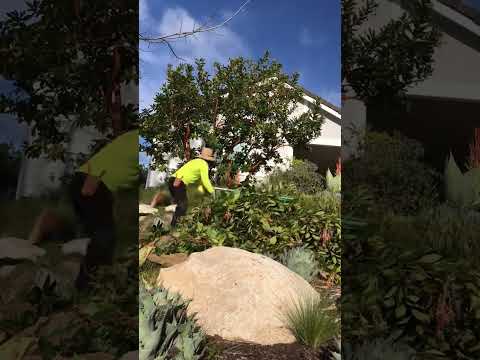
Before you even pick up your shears, you need to recognize what you are looking at. In our Southern California climate, these plants can grow as multi-stemmed shrubs or be trained into single-trunk trees reaching 20 to 25 feet. Left to their own devices, they form a dense, rounded canopy that hides the trunk completely. If you want a privacy hedge, that density is fine, but if you want to showcase the structural beauty, you have to interfere.
Here at Exotic Fruits and Vegetables, we’ve found that the primary goal of pruning an Arbutus is to improve airflow and sunlight penetration. This tree is susceptible to fungal diseases like anthracnose if the canopy remains perpetually damp.
By opening up the center, you allow the coastal breeze to dry the leaves, which significantly reduces disease pressure. Have you ever tried to breathe with a heavy wool blanket over your head? That is exactly how a dense, unpruned Strawberry Tree feels during a humid June gloom.
Timing is absolutely critical. I once ruined an entire season’s growth by pruning in late fall just before the rains came. The fresh wounds didn’t heal quickly enough in the cool, wet weather, and I battled dieback for two years.
The absolute best time to prune your Strawberry Tree in San Diego is late winter or very early spring, just before the new growth push begins—typically February or early March.
Seasonal Pruning Calendar
| Season | Activity | Risk Level |
|---|---|---|
| Late Winter (Feb-Mar) | Major structural pruning and canopy thinning | Low (Ideal) |
| Spring (Apr-May) | Pinching back tip growth to induce bushiness | Low |
| Summer (Jun-Aug) | Removing dead wood or suckers only | Moderate (Sunscald risk) |
| Fall (Sep-Nov) | NO PRUNING (except immediate hazard removal) | High (Fungal infection) |
The Essential Toolkit and Preparation
You cannot do a professional job with amateur tools. I use Felco bypass pruners for anything smaller than 3/4 inch in diameter. Bypass pruners act like scissors, creating a clean cut that heals rapidly.
Anvil pruners, which crush the stem against a flat surface, should be banned from your garden shed; they damage the cambium layer and invite pests. For branches between 1 and 3 inches, I use a silky pruning saw with tri-edge teeth. It cuts on the pull stroke and leaves a glass-smooth surface.
Never use hedge trimmers on a Strawberry Tree unless you are maintaining a formal box hedge. Electric trimmers shred the leaves and leave jagged tips that turn brown and unsightly within 48 hours.
Sterilization is non-negotiable. I carry a spray bottle filled with 70% isopropyl alcohol and spritz my blades between every single tree, and ideally between major cuts on the same tree. It sounds tedious, I know. But do you want to be the reason your healthy tree contracts Phytophthora from a sick neighbor? I learned this the hard way when I transferred fire blight between two pear trees years ago; I swore I would never be that careless again.
Step-by-Step Pruning Execution
Pruning is like sculpting; you are removing the negative space to reveal the masterpiece within. When I approach a Strawberry Tree, I follow a strict hierarchy of cuts. If you start hacking at the outer leaves first, you will lose perspective on the tree’s structure. Follow this sequence to ensure the health and aesthetics of your tree.
- The Sanitation Pass: Your first cuts must remove the “Three Ds”: Dead, Damaged, and Diseased wood. Trace these branches back to the collar (the swollen area where the branch meets the trunk) and make a clean cut. Do not leave a stub. Stubs die back and create a highway for rot to enter the main trunk.
- Eliminating Cross-Overs: Look for branches that are rubbing against each other. The friction from our Santa Ana winds will eventually wear away the bark, creating an open wound. I always remove the inward-facing branch and keep the outward-facing one. This directs growth away from the center, preventing that “wool blanket” density I mentioned earlier.
- Crown Raising: To expose the attractive cinnamon bark, remove the lowest branches originating from the main trunk. I usually clear everything up to 3 or 4 feet off the ground. This also prevents soil-borne pathogens from splashing up onto the lower foliage during irrigation.
- Thinning Cuts: This is where artistry comes in. Remove about 10-15% of the canopy density by taking out select branches back to a main lateral. Do not just snip the tips (heading cuts), as this encourages a witch’s broom of weak growth. You want to create windows of light through the canopy.
When removing a large branch (over 2 inches thick), use the three-cut method. Undercut the branch 6 inches from the trunk, cut through the top slightly further out to drop the weight, and then make your final clean cut at the branch collar. This prevents the bark from tearing down the trunk.
I recall a specific project where I got overzealous with a client’s 20-year-old Arbutus. I removed nearly 40% of the canopy in one afternoon because I was chasing a specific aesthetic. The tree went into shock. It dropped half its remaining leaves and didn’t fruit for two seasons. Never remove more than 25% of the living canopy in a single year; the tree needs those leaves to photosynthesize and recover from the surgery.
Advanced Techniques: Managing the Suckers and Water Sprouts
One specific challenge with Arbutus unedo is its tendency to throw out basal suckers. These are vigorous, vertical shoots emerging from the rootstock or the base of the trunk. They sap energy from the main tree and ruin the clean lines you are trying to establish. You must remove these as soon as they appear. I prefer to dig down slightly into the soil and cut them off at the point of origin. If you just clip them at ground level, they often return with three friends.
I snap them off with my thumb when they are soft and green. If you catch them early, you don’t even need tools.
Ever wonder why your tree drops fruit prematurely? Heavy pruning stimulates vegetative growth (leaves and stems) at the expense of reproductive growth (flowers and fruit). The tree senses the loss of foliage and diverts all resources to rebuilding its solar panels.
Post-Pruning Care and Common Pitfalls
After you have made your cuts, your job isn’t finished. The tree is now in a state of recovery. I immediately apply a 2-inch layer of organic compost around the drip line (not touching the trunk) to provide a slow-release nutrient boost. In San Diego’s alkaline soil, I also toss down some elemental sulfur if I haven’t done so in the last year to keep the pH slightly acidic, which the Strawberry Tree prefers.
Watering is the next critical step. A pruned tree has less transpiration capability, but it still needs consistent moisture to heal wounds. I give the tree a deep soak—about 10 to 15 gallons for a mature tree—right after pruning. However, do not drown it. The roots need oxygen just as much as they need water.

Mistakes I See Too Often
- Topping the Tree: Cutting the flat top off the tree destroys its natural form and results in a dense, ugly mess of weak regrowth.
- Flush Cuts: Cutting a branch flush with the trunk removes the branch collar, which contains the specialized cells needed to close the wound. This leaves a permanent hole in your tree’s defense system.
- Painting Wounds: Do not use pruning sealer or paint. It traps moisture and bacteria inside the cut. Let the tree heal itself naturally in the fresh air.
- Ignoring Tool Hygiene: Using the same saw on your infected palm tree and then your Strawberry Tree is a recipe for disaster.
I have found that scattering coffee grounds around the base of the tree twice a year provides a gentle nitrogen boost and helps acidity. It’s a free resource that mimics the forest floor environment these trees love.
We at Exotic Fruits and Vegetables believe in working with the plant’s natural tendencies rather than fighting them. If your Strawberry Tree wants to lean toward the afternoon sun, let it. That asymmetry adds character. The goal of pruning is to assist the tree in becoming the healthiest, most beautiful version of itself, not to force it into a geometric shape that nature never intended.
One final piece of advice from my years in the orchard: step back. After every three or four cuts, walk ten feet away and look at the tree from different angles. It is easy to get tunnel vision when you are up inside the canopy. You can always cut more off later, but you can never glue a branch back on. Approach your Strawberry Tree with respect and patience, and it will reward you with decades of sweet, gritty fruit and bark that looks like a painting.








tried pruning strawberry tree with bypass pruners, but it didn’t work – branches keep dying. used 20-20-20 fertilizer, watered regularly. what went wrong?
regarding your issue with the strawberry tree, it’s possible that the fertilizer you’re using is too high in nitrogen, which can cause the branches to become leggy and prone to disease. try switching to a balanced fertilizer with a lower nitrogen content, such as 10-10-10, and see if that makes a difference. also, make sure you’re pruning at the right time of year – late winter or early spring is usually best
thanks for the advice – i’ll try switching to a balanced fertilizer and see if that makes a difference. do you have any recommendations for a good brand?
one brand that i’ve had good luck with is E.B. Stone Organics – their 10-10-10 fertilizer is a great all-purpose option for fruit trees. you can also try making your own fertilizer at home using compost and manure tea
i find pruning to be super therapeutic – the repetitive motion helps with anxiety. has anyone else noticed the calming effects of gardening? i’ve joined a local gardening group and it’s been a game changer for my mental health
that’s a great point about the therapeutic benefits of pruning – the repetitive motion can be very calming and meditative. in fact, studies have shown that gardening can reduce symptoms of anxiety and depression by up to 40%. if you’re interested in learning more, there are some great resources available on the benefits of horticultural therapy
that’s so cool – i’ve been looking into horticultural therapy and its benefits for mental health. do you have any resources you can recommend for learning more?
yes, there are some great resources available on the topic. one book that i highly recommend is ‘The New Seed Starter’s Handbook’ by Nancy Bubel – it’s a great introduction to the benefits of gardening for mental health. you can also check out the website for the National Gardening Association, which has a lot of information on horticultural therapy and its benefits
as a professional gardener, i can attest that pruning strawberry trees requires precision. i use Felco F-210 pruning shears and make clean cuts just above a growth node. for optimal results, prune in late winter or early spring, removing about 20-30% of the canopy. this allows for better air circulation and increased fruit production. has anyone tried using the ‘open center’ method for pruning? it’s been shown to increase yields by up to 25% in certain studies
the ‘open center’ method is a great technique for pruning strawberry trees, as it allows for better air circulation and increased fruit production. however, it’s also important to consider the overall structure of the tree and prune accordingly. for example, if the tree is becoming too dense, you may need to remove some of the inner branches to allow more sunlight to reach the fruiting branches. it’s all about finding a balance between allowing the tree to produce fruit and keeping it healthy and disease-free