Asian pears, with their crisp texture and sweet, refreshing flavor, are a delightful fruit to enjoy. Whether you’re new to this unique pear variety or simply looking for new ways to savor its deliciousness, this guide will provide you with everything you need to know about how to eat Asian pears.
The Best Ways to Eat Asian Pears
The first step to enjoying an Asian pear is selecting the right one. Look for pears that are firm to the touch, with smooth, unblemished skin. Avoid pears that are soft or have bruises, as these may indicate overripeness. Once you have chosen your pear, you can enjoy it in its simplest form: raw. Simply wash the pear thoroughly and bite into it. The crisp texture and sweet flavor will burst in your mouth, providing a refreshing and satisfying experience.
However, there are other ways to enjoy Asian pears beyond simply eating them raw. One popular method is to slice them thinly and add them to salads. The crispness of the pear adds a delightful contrast to the softer textures of other salad ingredients, while its sweetness complements the savory flavors of dressings and toppings.

For those who prefer a more savory approach, Asian pears can be used in stir-fries and other Asian-inspired dishes. Their crispness and sweetness add a unique dimension to the dish, complementing the savory flavors of meat, vegetables, and sauces.
Beyond these culinary applications, Asian pears can also be enjoyed in desserts. Their sweetness makes them a perfect addition to pies, tarts, and crumbles. You can also use them to create a refreshing and flavorful pear sorbet or ice cream.
When preparing Asian pears for cooking or baking, it is important to note that they do not soften as readily as European pears. Therefore, it is recommended to cook them for a shorter period of time to prevent them from becoming mushy.
In conclusion, Asian pears offer a unique and delightful eating experience. Whether enjoyed raw, incorporated into salads, smoothies, or desserts, or used in savory dishes, these crisp and juicy fruits provide a refreshing and flavorful addition to any meal or snack. Their versatility and distinct characteristics make them a valuable addition to any fruit lover’s repertoire.
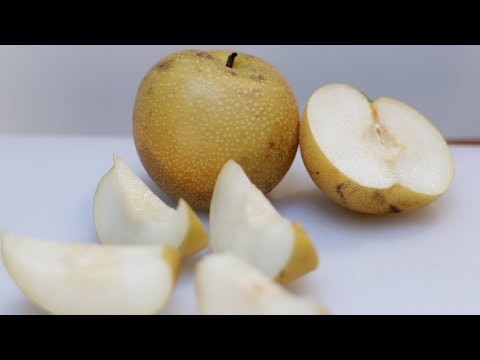
Asian Pear Recipes for Every Meal
To fully appreciate the Asian pear, it’s important to understand how to eat it. Unlike its European counterpart, the Asian pear doesn’t soften significantly when ripe. In fact, its crispness is a hallmark of its quality. Therefore, it’s best enjoyed raw, allowing its natural sweetness and refreshing crunch to shine through.
For a simple and satisfying snack, simply wash and slice the pear into thin wedges. The skin is edible and adds a pleasant texture and subtle bitterness, but it can be peeled if desired. The Asian pear’s crispness makes it an ideal addition to salads, adding a refreshing contrast to the other ingredients. Its delicate sweetness also complements savory dishes, such as grilled chicken or fish.
Beyond its raw consumption, the Asian pear can be incorporated into a variety of culinary creations. Its crispness holds up well in salads, where it adds a refreshing crunch and a touch of sweetness. Its delicate flavor also complements savory dishes, such as grilled chicken or fish.
For a more substantial meal, the Asian pear can be incorporated into stir-fries, adding a touch of sweetness and a refreshing crunch. Its crispness also holds up well in soups and stews, adding a unique texture and flavor.
When it comes to desserts, the Asian pear’s versatility shines through. Its natural sweetness makes it a perfect addition to fruit salads, parfaits, and yogurt bowls. It can also be used in baked goods, such as pies, tarts, and crumbles, adding a unique flavor and texture.
For a simple and refreshing dessert, try slicing the Asian pear and drizzling it with honey or maple syrup. The combination of the pear’s sweetness and the honey’s richness creates a delightful flavor profile.
The Asian pear’s versatility extends beyond its culinary applications. Its high water content and fiber make it a healthy and hydrating snack. Its crisp texture and refreshing flavor also make it a perfect choice for a post-workout treat.
Whether enjoyed raw, incorporated into a savory dish, or used in a sweet treat, the Asian pear offers a unique and delightful culinary experience. Its crisp texture, refreshing flavor, and versatility make it a welcome addition to any meal. So next time you’re looking for a healthy and delicious snack or ingredient, consider the Asian pear. You might just discover a new favorite fruit.
How to Choose and Store Asian Pears
When selecting Asian pears, it’s important to look for fruits that are firm to the touch and free from any blemishes or bruises. The skin should be smooth and glossy, with a vibrant color that ranges from green to yellow to reddish-brown, depending on the variety. Avoid pears that are soft or have any signs of decay, as these may be overripe and have a mushy texture.
Once you’ve chosen your Asian pears, proper storage is essential to maintain their freshness and flavor. Asian pears are best stored at room temperature for a few days, allowing them to ripen fully. However, if you need to store them for a longer period, they can be refrigerated for up to two weeks. When storing in the refrigerator, it’s best to place them in a plastic bag or container to prevent them from drying out.

To determine if an Asian pear is ripe, gently press on the skin. If it yields slightly to the touch, it’s likely ripe. However, if it feels hard and unyielding, it may need more time to ripen. Once ripe, Asian pears can be enjoyed fresh, sliced into salads, or used in various desserts.
In conclusion, choosing and storing Asian pears properly is essential to ensure optimal flavor and texture. By selecting firm, blemish-free pears and storing them at room temperature or in the refrigerator, you can enjoy the unique and delicious taste of this versatile fruit. Whether you prefer to eat them fresh, add them to salads, or use them in desserts, Asian pears offer a refreshing and satisfying culinary experience.

The Health Benefits of Asian Pears
One of the most notable benefits of Asian pears is their high content of dietary fiber. Fiber plays a crucial role in digestive health, promoting regular bowel movements and preventing constipation. It also helps regulate blood sugar levels, reducing the risk of type 2 diabetes. Furthermore, fiber can contribute to a feeling of fullness, aiding in weight management.
- Asian pears are also an excellent source of antioxidants, which protect the body from damage caused by free radicals. These free radicals can contribute to aging and chronic diseases such as cancer and heart disease. The antioxidants found in Asian pears, such as vitamin C and flavonoids, help neutralize these harmful molecules, promoting cellular health and reducing the risk of these conditions.
- Another significant health benefit of Asian pears is their potassium content. Potassium is an essential mineral that plays a vital role in maintaining blood pressure and regulating heart function. Adequate potassium intake can help lower the risk of stroke and other cardiovascular diseases.
- In addition to their nutritional value, Asian pears are also a good source of vitamins and minerals. They contain vitamin K, which is essential for blood clotting and bone health. They also provide a good amount of vitamin B6, which is involved in the production of neurotransmitters and the metabolism of carbohydrates and proteins.
- The versatility of Asian pears makes them a convenient and enjoyable addition to any diet. They can be eaten fresh, added to salads, or used in desserts. Their crisp texture and sweet flavor make them a refreshing snack or a delicious complement to savory dishes.
In conclusion, Asian pears are a nutritious and delicious fruit that offers a range of health benefits. Their high fiber content promotes digestive health, their antioxidants protect against cellular damage, and their potassium content supports heart health. By incorporating Asian pears into your diet, you can enjoy their unique flavor while reaping the rewards of their nutritional value.
A Guide to Choosing the Right One
Unlike their European counterparts, Asian pears have a crisp, almost water-like texture and a subtle, delicate flavor. However, navigating the world of Asian pear varieties can be a bit daunting, as there are numerous options available, each with its own distinct characteristics. Understanding the nuances of these varieties can help you choose the perfect pear for your culinary needs and preferences.
One of the most popular Asian pear varieties is the Hosui, known for its juicy, crisp flesh and a sweet, slightly floral flavor. Hosui pears are typically round in shape with a smooth, golden-yellow skin. They are excellent for eating fresh, adding to salads, or incorporating into fruit platters. Another popular choice is the Nijisseiki, which boasts a crisp, juicy texture and a balanced sweetness. Nijisseiki pears are slightly elongated with a smooth, green skin that turns yellow when ripe. They are versatile and can be enjoyed fresh, used in salads, or even cooked into desserts.
For those seeking a more intense flavor, the Chojuro pear is a great option. Chojuro pears are characterized by their firm, crisp texture and a rich, complex flavor that combines sweetness with a hint of tartness. They are typically pear-shaped with a rough, brown skin. Chojuro pears are best enjoyed fresh, as their flavor intensifies when eaten raw. If you prefer a sweeter and more delicate flavor, the Akitsu pear might be the perfect choice. Akitsu pears are known for their juicy, crisp flesh and a sweet, slightly floral flavor. They are typically round in shape with a smooth, golden-yellow skin. Akitsu pears are excellent for eating fresh, adding to salads, or incorporating into fruit platters.
When choosing an Asian pear, it’s important to consider the ripeness. Ripe Asian pears should feel firm but slightly yielding to gentle pressure. Avoid pears that are overly soft or have bruises or blemishes. Once you’ve chosen your pears, store them at room temperature until they reach your desired level of ripeness. Once ripe, Asian pears can be stored in the refrigerator for up to a week.
To enjoy the full flavor and texture of an Asian pear, it’s best to eat it fresh. Simply wash the pear thoroughly and slice it into thin wedges. You can also enjoy Asian pears in salads, fruit platters, or even as a topping for yogurt or oatmeal. For a unique culinary experience, try grilling or roasting Asian pears. The heat will caramelize the natural sugars in the fruit, creating a delicious and slightly smoky flavor.
Ultimately, the best way to choose the right Asian pear variety is to experiment and discover your personal preferences. Each variety offers a unique combination of flavor, texture, and sweetness, making it a delightful addition to any fruit basket or culinary creation. So, go ahead and explore the world of Asian pears and discover your new favorite fruit.

Q&A
## How To Eat Asian Pear
**1. How do you eat an Asian pear?**
* You can eat an Asian pear raw, just like an apple or a regular pear.
**2. What is the best way to prepare an Asian pear?**
* The best way to prepare an Asian pear is to simply wash it and eat it raw. You can also slice it and add it to salads or fruit platters.
**3. Can you cook an Asian pear?**
* While you can cook an Asian pear, it’s not recommended. Cooking will make the pear mushy and lose its crisp texture.
**4. What does an Asian pear taste like?**
* Asian pears have a sweet, crisp, and juicy flavor. They are often described as having a refreshing and slightly floral taste.
**5. What are some tips for eating an Asian pear?**
* Use a sharp knife to cut through the tough skin.
* Eat the pear immediately after cutting it to prevent browning.
* Enjoy the pear chilled for a refreshing treat.Asian pears are best enjoyed fresh, with their crisp texture and sweet flavor. They can be eaten on their own, added to salads, or used in desserts. When choosing Asian pears, look for ones that are firm and have a smooth, unblemished skin. To store Asian pears, keep them in a cool, dry place for up to two weeks.