Asian pears, with their crisp, juicy texture and sweet, refreshing flavor, are a delightful addition to any fruit basket. However, like all fruits, they have a limited shelf life and can eventually spoil. Determining whether an Asian pear is still good to eat can be tricky, as they don’t always exhibit the same signs of spoilage as other fruits. One of the most reliable indicators of a spoiled Asian pear is its texture.
Texture
A fresh Asian pear should feel firm and resilient to the touch. When you gently press on the pear, it should spring back slightly. This firmness is a sign of its freshness and indicates that the pear is still full of moisture and flavor. As the pear begins to spoil, it will lose its firmness and become softer. This softening is a result of the breakdown of the pear’s cell walls, which occurs as the fruit ripens and eventually begins to decay.
A spoiled Asian pear will feel noticeably soft and mushy when pressed. The flesh may even feel slightly spongy or rubbery, indicating that the pear has begun to decompose. This change in texture is often accompanied by a change in color. A fresh Asian pear will have a vibrant, even color, while a spoiled pear may exhibit brown spots or patches, indicating that the flesh beneath is rotting.

In addition to the texture of the flesh, the texture of the skin can also be a good indicator of spoilage. A fresh Asian pear will have a smooth, unblemished skin. However, a spoiled pear may have wrinkles, blemishes, or even mold growing on the skin. These signs indicate that the pear has been exposed to moisture and has begun to decay.
While the texture of an Asian pear is a good indicator of its freshness, it’s important to note that other factors can also contribute to spoilage. For example, exposure to heat or sunlight can accelerate the ripening process and cause the pear to spoil more quickly. Similarly, storing the pear in a humid environment can also promote the growth of mold and bacteria, leading to spoilage.
Ultimately, the best way to determine if an Asian pear is bad is to use your senses. If the pear smells sour or fermented, or if it has a slimy or sticky texture, it’s best to discard it. Remember, eating spoiled fruit can lead to food poisoning, so it’s always better to err on the side of caution. By paying attention to the texture of your Asian pears, you can ensure that you’re enjoying them at their peak freshness and flavor.
Smell
A fresh Asian pear will have a subtle, sweet aroma, reminiscent of its juicy flesh. This fragrance is often described as being slightly floral or reminiscent of honey. As the pear begins to spoil, its smell will change dramatically, becoming more pungent and unpleasant. This change in scent is a result of the breakdown of sugars and other compounds within the fruit, leading to the production of volatile organic compounds that are perceived as foul odors.
The most common sign of a spoiled Asian pear is a strong, fermented smell. This odor is often described as being similar to vinegar or alcohol, and it indicates that the fruit has undergone significant microbial activity. This fermentation process is caused by bacteria and yeasts that thrive in the warm, moist environment of a decaying pear. The presence of this fermented smell is a clear indication that the pear is no longer safe to eat.
Another telltale sign of a bad Asian pear is a musty or moldy smell. This odor is often accompanied by visible signs of mold growth on the surface of the fruit. Mold is a type of fungus that can produce toxins that are harmful to human health. If you detect a musty or moldy smell, it’s best to discard the pear immediately.
In addition to these distinct odors, a bad Asian pear may also have a sour or acidic smell. This is often a sign that the fruit has begun to rot, and the breakdown of its tissues has produced unpleasant acids. While a slightly sour smell may be present in a ripe pear, a strong, pungent sourness is a clear indication of spoilage.
It’s important to note that the intensity of the smell can vary depending on the degree of spoilage. A slightly off smell may indicate that the pear is nearing the end of its shelf life, while a strong, pungent odor is a clear sign that the fruit is no longer safe to eat.
When in doubt, it’s always best to err on the side of caution and discard any Asian pear that has an unusual or unpleasant smell. While a spoiled pear may not be immediately harmful, consuming it can lead to digestive upset or other health problems. By paying attention to the smell of your Asian pears, you can ensure that you are enjoying this delicious fruit at its peak freshness and avoiding any potential health risks.

Color
One of the most noticeable indicators of a bad Asian pear is its color. While the specific color variations can depend on the variety of Asian pear, there are general guidelines to follow.
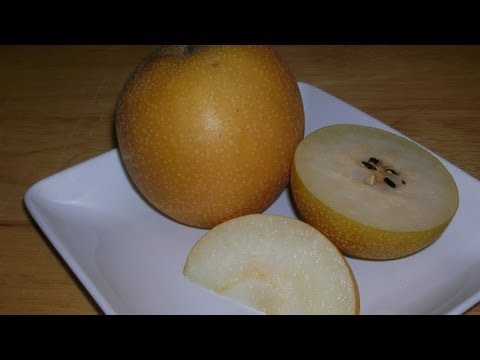
A fresh, ripe Asian pear will typically have a vibrant, even color, ranging from bright green to golden yellow, depending on the variety. The skin should be smooth and free of blemishes or bruises. As the pear begins to spoil, the color will start to change, becoming duller and less vibrant. This dullness can manifest as a yellowish-brown hue in green varieties or a brownish-grey tone in yellow varieties. The skin may also develop patches of discoloration, indicating areas where the fruit is starting to rot.

Another color-related indicator of a bad Asian pear is the presence of mold. Mold can appear as fuzzy white or green patches on the skin, and it can also grow inside the fruit. If you see any mold on the pear, it’s best to discard it, as mold can produce toxins that are harmful to human health.
While color changes can be a good indicator of spoilage, it’s important to note that they are not always a foolproof method. Some Asian pear varieties naturally have a slightly duller color, and a few brown spots may not necessarily mean the fruit is bad. To confirm spoilage, it’s best to examine the pear for other signs, such as a soft texture, a foul odor, or a slimy feel.
In conclusion, while color changes can be a helpful indicator of a bad Asian pear, it’s important to consider other factors as well. A fresh, ripe Asian pear will have a vibrant, even color, while a spoiled pear will exhibit dullness, discoloration, brown spots, or mold. By paying attention to these visual cues, you can ensure that you are enjoying the best quality Asian pears and avoiding any potential health risks.
Mold
The most obvious sign of mold on an Asian pear is the appearance of fuzzy, colored patches on the skin. These patches can range in color from white to green to black, depending on the type of mold present. While some molds may be visible to the naked eye, others might be hidden beneath the skin, making it essential to inspect the pear thoroughly. If you notice any discoloration or fuzziness, it’s best to discard the fruit.
Beyond visual cues, mold can also be detected by its characteristic odor. A spoiled Asian pear will often emit a musty, earthy smell, indicating the presence of mold. This odor can be subtle at first but will become more pronounced as the mold spreads. If you detect any unusual smell, it’s a strong indication that the pear has gone bad.
While mold on the surface of the pear is easily identifiable, it’s important to remember that mold can also grow internally. If you cut open an Asian pear and find mold inside, it’s best to discard the entire fruit. Even if the mold appears to be localized, it’s likely that the entire pear has been contaminated.
To prevent mold growth, it’s crucial to store Asian pears properly. They should be kept in a cool, dry place, ideally in the refrigerator. Avoid storing them near other fruits that may be emitting ethylene gas, as this can accelerate ripening and increase the risk of mold growth.
In addition to mold, other signs of spoilage in Asian pears include softening, wrinkling, and discoloration. If you notice any of these signs, it’s best to discard the fruit to avoid consuming spoiled produce.
By understanding the signs of mold and other forms of spoilage, you can ensure that you’re enjoying your Asian pears at their peak freshness. Remember, when in doubt, it’s always best to err on the side of caution and discard any fruit that shows signs of decay.
Storage
- The first sign of a spoiled Asian pear is a change in its appearance. A fresh Asian pear will have a smooth, unblemished skin, typically with a vibrant green or yellow color. As it begins to spoil, the skin may develop brown spots or patches, indicating that the fruit is starting to rot. Additionally, the pear may become soft and mushy to the touch, a clear indication that it has gone bad.
- Beyond visual cues, the scent of the pear can also be a reliable indicator of its condition. A fresh Asian pear will have a sweet, slightly floral aroma. However, a spoiled pear will emit a sour, fermented odor, often accompanied by a musty or moldy smell. This pungent aroma is a strong signal that the pear has gone bad and should be discarded.
- Another way to determine if an Asian pear is bad is by examining its flesh. A fresh pear will have a firm, crisp flesh that yields slightly when pressed. However, a spoiled pear will have a soft, mushy flesh that may be discolored or have a slimy texture. This change in texture is a result of the breakdown of the pear’s cells, indicating that it has gone bad.
- Finally, taste can be a definitive way to tell if an Asian pear is bad. A fresh pear will have a sweet, juicy flavor. However, a spoiled pear will have a sour, bitter, or fermented taste, often accompanied by a moldy or musty flavor. If you notice any of these off-flavors, it’s best to discard the pear as it is no longer safe to eat.
- To maximize the shelf life of your Asian pears and prevent them from spoiling prematurely, proper storage is essential. Store them in a cool, dry place, ideally in the refrigerator. Avoid storing them near other fruits that emit ethylene gas, such as apples and bananas, as this can accelerate the ripening process and lead to spoilage.
By following these simple tips, you can easily identify a bad Asian pear and ensure that you’re enjoying the best possible taste and quality. Remember, a fresh Asian pear should have a smooth, unblemished skin, a sweet aroma, firm flesh, and a sweet, juicy flavor. If you notice any signs of spoilage, discard the pear immediately. With proper storage and careful inspection, you can enjoy the deliciousness of Asian pears for longer.

Q&A
## How To Tell If Asian Pear Is Bad:
1. **Look for bruises or soft spots:** A bad Asian pear will have bruises, soft spots, or dents on the skin.
2. **Check the color:** A ripe Asian pear will have a yellow or golden color. A bad pear will be brown or have dark spots.
3. **Smell the pear:** A bad Asian pear will have a sour or fermented smell.
4. **Feel the pear:** A bad Asian pear will feel mushy or soft to the touch.
5. **Cut the pear open:** If the flesh is brown or mushy, the pear is bad.Asian pears should be firm and free of bruises or soft spots. If the pear is mushy, has brown spots, or smells fermented, it is likely bad.