Asian pears, also known as Pyrus pyrifolia, are a unique and delicious fruit that offers a crisp, juicy, and slightly sweet flavor. However, unlike their European counterparts, Asian pears don’t soften as they ripen, making it challenging to determine their readiness for consumption. While the texture remains firm, there are several visual cues that can help you identify ripe Asian pears.
Color
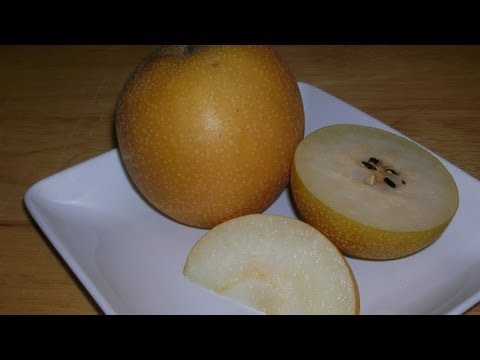
One of the most reliable indicators of ripeness is the color of the pear. While the specific color may vary depending on the variety, a general rule of thumb is to look for pears that have developed a deep, rich color. For example, Hosui pears, known for their green skin, will transition from a bright green to a deep, almost emerald green when ripe. Similarly, Nijisseiki pears, which are typically yellow, will become a vibrant, golden yellow when ready to eat.
However, color alone is not always a foolproof indicator. Some varieties, like the Akane pear, may develop a reddish blush as they ripen, while others, like the Chojuro pear, may retain their green color even when ripe. Therefore, it’s essential to consider other factors in conjunction with color.

Furthermore, the stem of the pear can also provide clues about its ripeness. As the pear ripens, the stem will begin to detach from the fruit. This separation is a natural process that occurs as the pear matures and softens slightly. While the stem may not completely fall off, a slight tug should reveal a small gap between the stem and the fruit.
Finally, it’s important to note that Asian pears can continue to ripen after being picked. If you purchase pears that are not quite ripe, you can store them at room temperature for a few days to allow them to soften and develop their full flavor. However, it’s crucial to avoid storing them in direct sunlight or in a warm environment, as this can accelerate the ripening process and lead to overripe pears.
In conclusion, while Asian pears may not soften as they ripen, there are several visual cues that can help you determine their readiness for consumption. By observing the color, texture, and stem of the pear, you can ensure that you’re enjoying the best possible flavor and texture. Remember, ripe Asian pears are a delightful treat that offers a unique and refreshing taste experience.
Texture
- To determine if an Asian pear is ripe, gently press the skin with your thumb. A ripe pear will yield slightly to pressure, but it should not be soft or mushy. If the pear feels hard and unyielding, it is likely underripe. Conversely, if the pear feels overly soft or gives way easily, it may be overripe.
- Another way to assess the texture of an Asian pear is by looking at the stem end. A ripe pear will have a slightly sunken stem end, indicating that the fruit has begun to soften internally. This is a subtle change, but it can be a helpful indicator of ripeness.
- The texture of an Asian pear can also be influenced by its variety. Some varieties, such as Hosui and Nijisseiki, are known for their exceptionally crisp texture, while others, such as Chojuro and Shinko, have a more tender texture.
- Once you have selected a ripe Asian pear, you can enjoy its unique texture in a variety of ways. They are delicious eaten fresh, but they can also be used in salads, desserts, and even savory dishes. Their crispness adds a delightful contrast to the other ingredients, while their sweetness complements a wide range of flavors.
- When storing Asian pears, it is important to keep them at room temperature until they reach peak ripeness. Once ripe, they can be stored in the refrigerator for up to a week. However, it is important to note that refrigeration can slow down the ripening process, so it is best to store them at room temperature if you plan to eat them within a few days.
In conclusion, the texture of an Asian pear is a crucial indicator of its ripeness. By understanding how to assess its firmness and stem end, you can ensure that you are enjoying these unique fruits at their peak. Whether you prefer them crisp and crunchy or slightly tender, Asian pears offer a delightful textural experience that is sure to please your palate.
Smell
The aroma of a ripe Asian pear is a delightful sensory experience, a sweet and floral fragrance that signals the fruit’s readiness for consumption. Unlike their European counterparts, Asian pears do not soften significantly as they ripen, making it challenging to determine their optimal eating stage solely by touch. However, the scent of a ripe Asian pear is a reliable indicator, offering a subtle yet distinct olfactory cue.
As the pear ripens, its skin develops a subtle blush, often accompanied by a slight softening of the flesh. However, these visual and tactile cues can be misleading, as some varieties may exhibit these characteristics even when unripe. Therefore, relying solely on these indicators can lead to disappointment.
The most reliable method for determining the ripeness of an Asian pear is through its aroma. A ripe pear will emit a sweet, floral fragrance, reminiscent of honeysuckle or jasmine. This scent is a result of the release of volatile compounds, which are produced as the fruit matures. The intensity of the aroma will vary depending on the variety, but a noticeable fragrance is a sure sign of ripeness.
To test the aroma, gently lift the pear to your nose and inhale deeply. If you detect a sweet, floral scent, the pear is likely ripe. If the scent is faint or absent, the pear may need more time to ripen.
It is important to note that the aroma of a ripe Asian pear is subtle and may not be immediately apparent. Take your time and allow your senses to adjust to the fragrance. If you are still unsure, you can gently press the pear near the stem. A ripe pear will yield slightly to pressure, indicating that the flesh is soft and juicy.
While the aroma is a reliable indicator of ripeness, it is also important to consider the variety of the pear. Some varieties, such as Hosui and Nijisseiki, are known for their strong fragrance, while others, such as Chojuro and Shinko, have a more subtle aroma.
In addition to the aroma, other factors can influence the ripeness of an Asian pear. For example, the temperature at which the pear is stored can affect its ripening process. Pears stored at room temperature will ripen faster than those stored in a refrigerator.
Ultimately, the best way to determine the ripeness of an Asian pear is to trust your senses. If the pear smells sweet and floral, and yields slightly to pressure, it is likely ripe and ready to enjoy. The unique aroma of a ripe Asian pear is a testament to its delicate flavor and exquisite texture, making it a truly rewarding experience for the senses.

Sound
- First, consider the sound the pear makes when you gently tap it. A ripe Asian pear will produce a dull, thudding sound, similar to the sound of a ripe melon. This is because the flesh of the pear has softened slightly, allowing the sound waves to travel through it more easily. Conversely, an unripe pear will produce a higher-pitched, more hollow sound, indicating that the flesh is still firm and dense.
- Another auditory clue is the sound the pear makes when you shake it. A ripe Asian pear will have a slight rattling sound as the seeds move freely within the fruit. This is because the flesh has softened, allowing the seeds to detach from the walls of the pear. An unripe pear, on the other hand, will have a more solid, muffled sound, as the seeds are still tightly attached to the flesh.
- The sound of the pear’s stem can also be a helpful indicator of ripeness. A ripe Asian pear will have a stem that easily detaches from the fruit with a slight snap. This is because the stem has softened and loosened as the pear has ripened. An unripe pear will have a stem that is firmly attached to the fruit and requires more force to detach.
- While these auditory cues can be helpful, it’s important to note that they are not foolproof. Some varieties of Asian pears may have a slightly different sound profile than others. Additionally, factors such as temperature and humidity can also affect the sound of the pear.
- Ultimately, the best way to determine if an Asian pear is ripe is to taste it. If the pear is sweet and juicy, then it is ripe. If it is still tart or firm, then it needs more time to ripen.
- Once you have picked your ripe Asian pears, it’s important to store them properly to prevent them from spoiling. Asian pears can be stored at room temperature for a few days, but they will last longer if refrigerated. When storing Asian pears in the refrigerator, it’s best to place them in a plastic bag or container to prevent them from drying out.
By paying attention to the auditory cues of ripeness, you can ensure that you are enjoying your Asian pears at their peak flavor. The sweet, juicy crunch of a ripe Asian pear is a true culinary delight, and with a little practice, you can learn to identify the sounds that signal its readiness.

Stem
While the appearance of the fruit can be misleading, there are several reliable methods to determine when an Asian pear is ready to eat.
Firstly, it’s important to understand that Asian pears don’t soften significantly as they ripen. Unlike other fruits that become mushy when ripe, Asian pears maintain their firmness even when ready to eat. Therefore, relying solely on the feel of the pear can be deceptive.
Instead, focus on the stem. A ripe Asian pear will have a stem that is easily detached from the fruit. This is a key indicator of ripeness, as the stem naturally loosens as the pear matures. Gently try to pull the stem away from the fruit. If it comes off with minimal effort, the pear is likely ripe.
Another reliable method is to examine the color of the pear. While the color of the skin can vary depending on the variety, a ripe Asian pear will generally have a deeper, more vibrant hue. For example, a green Asian pear will become a deeper shade of green, while a red Asian pear will become a more intense red.

However, it’s important to note that these methods are not foolproof. Some Asian pear varieties may ripen unevenly, and the stem may detach prematurely. Therefore, it’s always best to combine these methods for a more accurate assessment.
Once you’ve determined that an Asian pear is ripe, it’s best to store it at room temperature for a few days to allow the flavors to develop fully. However, if you need to store the pear for a longer period, it can be refrigerated for up to two weeks.
In conclusion, while judging the ripeness of Asian pears can be challenging, focusing on the stem, color, and aroma can provide reliable indicators. By using these methods, you can ensure that you’re enjoying the best possible flavor and texture from this unique and delicious fruit.

Q&A
## How To Tell When Asian Pears Are Ripe:
1. **Color:** Ripe Asian pears will have a yellow or golden color, depending on the variety.
2. **Feel:** They should feel firm but slightly yielding to gentle pressure. Avoid pears that are rock hard or feel mushy.
3. **Aroma:** Ripe Asian pears will have a sweet, fragrant aroma.
4. **Stem:** The stem should be dry and easily detach from the pear.
5. **Storage:** If you buy pears that are not quite ripe, you can store them at room temperature for a few days to ripen.Asian pears are ripe when they are firm but yield slightly to gentle pressure, and their skin color has reached its peak. The stem should also detach easily.