

I still remember the first time a market vendor in San Diego handed me a fruit labeled custard apple. It looked similar to the cherimoyas I already grew, yet the skin was thicker and the flesh firmer. That single purchase started a side-by-side comparison that has lasted years on my plots.
Cherimoya carries the scientific name Annona cherimola. It is also called chirimoya or, loosely, custard apple in some markets. True custard apple is Annona reticulata, sometimes known as bullock’s heart or wild sweetsop. Both belong to the Annonaceae family, yet they differ in origin, shape, skin, flavor, and growing needs.
On our Exotic Fruits and Vegetables plots the cherimoya trees leaf out later and hold their fruit longer into winter than the few reticulata trees I tried. The difference shows up clearly once you place the two fruits next to each other.
Cherimoya is native to the cool Andean valleys of Peru, Ecuador, and Colombia. Custard apple originated in the warmer lowlands of the West Indies and Central America.
Cherimoya fruit is usually heart-shaped or conical and can weigh from half a pound to several pounds. The skin is green with overlapping scales that look a little like an artichoke. When ripe the skin softens and turns a lighter yellowish-green. The flesh is pure white, smooth, and custard-like.
Custard apple fruit is more rounded or oval and rarely exceeds two pounds. Its skin starts green and often shifts to yellowish-red or brown as it ripens. The surface is bumpy rather than scaly. The flesh is also white but tends to be firmer and sometimes slightly grainy.
I once bought a case of fruit sold as custard apple and found half of them were actually cherimoya. The mismatch cost me two days of sorting and left me with uneven ripening times that ruined a small batch of ice cream.
Flavor sets them apart more than appearance. Cherimoya tastes like a blend of banana, pineapple, and strawberry with a mild acidity. Custard apple is sweeter in a simpler way, closer to vanilla custard or plain banana, and less complex.
Have you ever cut open a fruit labeled custard apple and wondered why the flavor seemed flatter than the cherimoya you ate last week? The difference is real and traces back to the species.
Tree size also differs. Cherimoya grows 19 to 32 feet tall and is semi-deciduous in our climate, dropping leaves for a short period in late winter. Custard apple can reach 35 feet and stays more evergreen in tropical conditions. Cherimoya needs 50 to 100 chilling hours below 45 F to flower well. Custard apple thrives with little or no chill and prefers warmer, more humid summers.
| Trait | Cherimoya (A. cherimola) | Custard apple (A. reticulata) |
|---|---|---|
| Origin | Andean highlands | West Indies, Central America |
| Fruit shape | Heart or cone | Round to oval |
| Skin | Green, scaly | Green to brown, bumpy |
| Flesh texture | Smooth, melting | Firmer, sometimes grainy |
| Chill need | 50-100 hours | Little to none |
In San Diego the coastal climate favors cherimoya. Summer nights stay cool enough and winters deliver the modest chill the trees require. Custard apple struggles here unless given extra heat and protection from dry winds. I planted two reticulata seedlings seven years ago; both remain smaller and set far less fruit than the cherimoyas beside them.
Never assume a market label is accurate. Many vendors use “custard apple” for any Annona fruit. Check the skin texture and ask for the scientific name if you need a specific type.
Nutrition numbers are close but not identical. Per 100 grams, cherimoya offers about 75 calories, 17.7 grams of carbohydrate, and 12.6 mg of vitamin C. Custard apple runs higher in calories and iron while delivering more vitamin C in some analyses. Both contain the toxin annonacin in seeds and skin, so only the flesh is eaten.
What happens if you plant a seed from a fruit sold as custard apple and later discover it was actually cherimoya? The resulting tree may demand more winter chill than your site can supply, delaying fruit for years.
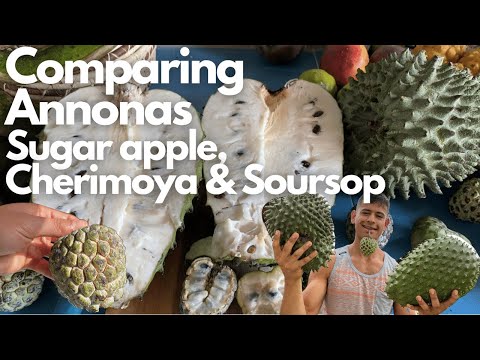
I once grafted a reticulata scion onto a strong cherimoya rootstock. The graft took, yet the fruit remained smaller and the flavor stayed simpler. The experiment confirmed that the differences run deeper than soil or water.
- Cherimoya skin is scaly and stays mostly green until soft.
- Custard apple skin is bumpy and often colors as it ripens.
- Cherimoya flesh melts; custard apple flesh holds more structure.
- Cherimoya needs mild winters with some chill; custard apple prefers continuous warmth.
Pollination habits are similar. Both produce flowers that open female first, then male. Hand-pollination raises set rates for both in California, though cherimoya responds more dramatically to the practice in our cooler summers.
If you want the classic complex tropical flavor Mark Twain praised, choose true cherimoya. If you prefer a simpler sweet custard taste and have a warmer microclimate, try Annona reticulata.
Storage differs slightly. Cherimoya softens quickly once ripe and lasts only one or two days in the refrigerator. Custard apple holds a day or two longer before the flesh turns watery. Both should be left at room temperature until they yield to gentle pressure.
Have you noticed that some “custard apples” in stores never develop the full aroma of the cherimoyas grown along the California coast? The gap comes from both species identity and growing conditions.
In my experience the two fruits complement each other rather than compete. Cherimoya fills the cool-season niche; custard apple can extend the harvest if you have a protected warm corner. Mixing them on the same table, however, requires clear labeling so guests know what they are tasting.
Loading calculator...
After years of side-by-side growth I still reach first for the scaly green fruit when I want that layered tropical taste. The rounded, browning ones have their place, yet they never quite match the melting texture and complex flavor that made me plant cherimoya in the first place.
Loading calculator...
Choosing the right fruit for your table
Cherimoya and custard apple share a family name and a creamy texture, yet they remain distinct species with different origins, skins, flavors, and climate needs. In San Diego the local conditions favor true cherimoya, which rewards the wait with fruit that softens into a spoonable dessert. Knowing the difference saves money at the market and prevents disappointment in the orchard.









I am always hunting for these at the specialty markets around San Jose, and the labeling is a total disaster. Last week at a small Asian grocery store near Milpitas, I saw a bin marked custard apple for 11.99 a pound. They looked like cherimoyas with the classic thumbprint scales rather than the bumpy, reddish-brown reticulata. I did the shake test to hear if the seeds were loose, which usually means it is overripe or hollow, and checked the skin. A good cherimoya should yield slightly to gentle pressure near the stem, like a ripe avocado, and smell faintly of tropical fruit. The ones they had were rock hard and green as grass. I bought two anyway because I am impatient, and they took six days on my counter to soften. When I cut them, the flavor was decent, but at twelve dollars a pound, you want perfection. It is incredibly frustrating how supermarkets treat these rare fruits as interchangeable. You have to verify what you are buying by checking the skin yourself.
Regarding the pricing and availability you encountered in Milpitas, twelve dollars a pound is unfortunately becoming the standard retail rate for California-grown cherimoyas in local specialty markets. Most of these fruits come from small-scale growers in Santa Barbara or San Diego counties, where water costs and labor push production expenses high.
Your observation about the shake test is highly relevant for these climacteric fruits. When you shake a cherimoya or a true custard apple and hear the seeds rattling inside, it typically indicates that the carpels have pulled away from the central receptacle. This happens when the fruit is either severely dehydrated or overmature on the tree, which leads to a dry, cottony texture instead of the smooth, melting flesh you want.
For the hard, green fruits you purchased, six days is a normal ripening window at room temperature, which should ideally be maintained between 65 and 70 degrees Fahrenheit. If you want to accelerate this process without sacrificing quality, placing them in a brown paper bag with a high-ethylene producer like a ripe banana or apple can reduce that wait time to three days. However, you must monitor them daily. Once they yield to gentle thumb pressure, they should be eaten immediately or moved to the crisper drawer of your refrigerator, where they will hold for an additional forty-eight hours before the skin begins to oxidize and turn black.
That trick with the paper bag and banana actually worked on my next batch. I found some actual reticulata at a market in Westminster over the weekend for nine dollars a pound. They had that distinct reddish-brown tint and bumpy skin you mentioned. I brought them home rock hard again and used the bag method. They softened in four days. The flavor was definitely different, very sweet like vanilla brown sugar but missing that pineapple punch the cherimoyas have. It is good to know the cold storage limit too, because I used to put them in the fridge too early and they would get scalded and never ripen properly.