

Standing in my orchard here in San Diego, surrounded by the silver-green shimmer of *Acca sellowiana* trees, I often get asked the same questions by visitors. Usually, they are staring at the egg-shaped green fruit, but occasionally, someone points to the foliage.
They ask, “Can I brew these into tea, or will I end up in the emergency room?” It is a fair question. We are conditioned to believe that unless it is spinach or lettuce, leaves are generally off-limits.
Most folks know the fruit is delicious, but what about the rest of the plant? Are we wasting half the harvest by tossing the greens into the compost bin?
Here is the short answer: Feijoa leaves are not poisonous to humans. In fact, they are entirely edible and possess a unique, resinous flavor profile that chefs and herbalists are just beginning to appreciate.
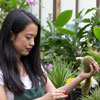
Here at Exotic Fruits and Vegetables, we have found that the biggest barrier to using these leaves isn’t toxicity, but rather a lack of culinary imagination. The leaves of the Pineapple Guava (another common name for the plant) contain many of the same essential oils found in the fruit, just in a more concentrated, tannic form.

Botanical Profile and Chemical Safety
Let’s get specific about what is actually inside these leaves. The *Acca sellowiana*—formerly known as *Feijoa sellowiana*—belongs to the Myrtaceae family. This is the same family that gives us eucalyptus, guava, and allspice. This lineage is your first clue that the leaves are safe; the Myrtaceae family is famous for aromatic, oil-rich foliage that is almost never toxic to humans, though it can be potent.
The leaves are rich in terpenes, specifically limonene and beta-caryophyllene, which provide that distinct pine-citrus aroma. These compounds are anti-inflammatory and antimicrobial, not poisonous.
I remember when I first planted my “Nazemetz” variety hedgerow. I was worried about my Golden Retriever, Buster, who treats the entire farm like an all-you-can-eat salad bar. I panicked when I saw him chewing on a low-hanging branch.
I spent an hour frantically researching, only to find that not only was he fine, but he also had excellent breath for the rest of the afternoon. The leaves pose no threat to dogs or cats, though the high fiber content might cause a tummy ache if they eat a pound of them.
Scientific analysis confirms that Feijoa leaves contain high levels of flavonoids and saponins, which are compounds actively researched for their immune-boosting properties in human diets.
Culinary Uses: The Tropical Bay Leaf
Think of the Feijoa leaf as a Bay leaf that went on a tropical vacation. They share a similar leathery texture and stiff structure. You wouldn’t eat a raw Bay leaf whole because it is like trying to chew on a plastic spoon, and mature Feijoa leaves are similar. They are best used as an infusion or a removal spice.
I once ruined an entire batch of tomato bisque by blending raw, mature Feijoa leaves directly into the soup. The result was a bitter, fibrous mess that tasted like I had pureed a pine tree. That was a hard lesson in texture versus flavor extraction. The secret is to treat them as an aromatic agent.
The young, light green leaves at the tips of the branches are tender enough to chop finely and add to salsas, providing a zesty kick that cilantro can’t quite match.
Below is a breakdown of how I use Feijoa leaves compared to other common garden herbs:
| Herb Type | Flavor Profile | Best Preparation Method |
|---|---|---|
| Mature Feijoa Leaf | Resinous, piney, hint of pineapple | Dried and used whole in stews (remove before serving) |
| Young Feijoa Leaf | Citrusy, tart, slightly bitter | Finely chopped fresh in salads or salsa |
| Bay Leaf | Earthy, floral, eucalyptus | Slow simmering soups |
| Mint | Cooling, sweet menthol | Fresh muddling or garnishing |
How to Harvest and Prepare Feijoa Tea
Making tea from these leaves is the most common way to consume them, and it is arguably the most beneficial for your health. Through our work with Exotic Fruits and Vegetables farm, we have refined a brewing method that maximizes the citrus notes while minimizing the tannins that can make the tea taste like leather.
Never harvest leaves from trees that have been treated with systemic pesticides or foliar sprays. If you aren’t the grower, ask before you chew.
Harvesting is simple. I look for leaves that are deep green but free of blemishes. The leaves on the interior of the canopy often have less dust and sun damage than the outer ones. I usually grab about 20 leaves to make a concentrated quart of tea.
Here is my personal method for the perfect Feijoa brew:
- Selection: Pick 5-6 healthy, mid-sized leaves per cup of water. Avoid the yellowing ones at the bottom of the branch.
- Crushing: This is crucial. Tear the leaves or crush them in your hand to break the cell walls. If you don’t do this, the hot water can’t access the oils effectively.
- The Pour: Pour water heated to 190°F over the leaves. Do not use boiling water (212°F), as it scorches the delicate terpenes and makes the tea bitter.
- Steeping: Cover the vessel. You must trap the steam, or the flavor evaporates. Steep for exactly 7 minutes.
- Sweetening: I add a teaspoon of local honey. The sugar cuts the natural astringency of the leaf.
The resulting tea should be a pale amber color with a scent that reminds you of a mix between pineapple and eucalyptus.
What about the petals? We can’t talk about the plant without mentioning the flowers. While the leaves are savory and medicinal, the petals are nature’s candy. They taste exactly like cotton candy or marshmallows. I often watch visitors’ eyes widen in disbelief when I tell them to pull a petal off the flower and eat it.
“Eating the petals actually helps fruit set,” I tell them. “By removing the petals, you make the stamen more accessible to bees and birds, improving pollination rates.”
Health Benefits: Beyond Just Survival
We aren’t just eating these leaves because we ran out of kale. There are legitimate health reasons to include *Acca sellowiana* in your diet. In South American folk medicine, particularly in Brazil and Uruguay where the plant originates, tea made from the leaves has been used for generations to treat dysentery and cholera.
Now, I am a farmer, not a doctor, but I can tell you what I feel. When I drink this tea during the damp San Diego “May Gray” mornings, it clears my sinuses almost instantly. The essential oils act as a natural expectorant.
Research indicates that Feijoa leaf extract has significant antibacterial activity against strains like H. pylori, the bacteria responsible for many stomach ulcers.
Ever wonder why Feijoa trees are so hardy against pests? It is because the leaves are packed with natural defense compounds. These same compounds that keep aphids at bay act as antioxidants in our bodies. It is a beautiful system—the plant protects itself, and by consuming it, we borrow that protection.
Drying and Storage
Fresh leaves are great, but they don’t last more than a week in the fridge. To have a year-round supply, I dry them. But here is where most people mess up. Drying leaves is like tanning hide; do it too fast, and it cracks; do it too slow, and it rots.
I lay my leaves out on a screen in a shaded, airy shed. Direct sunlight will bleach the leaves and destroy the essential oils, leaving you with tasteless cardboard.
It takes about two weeks in our coastal humidity (60-70%) for them to become “cracker dry.” Once they snap when bent, I store them in glass jars in the pantry. They keep their potency for about a year.
Common Misconceptions and Risks
Despite the safety, there are always precautions. The main risk with Feijoa leaves isn’t toxicity; it is allergy. If you are allergic to guava or eucalyptus, you might have a sensitivity to Feijoa. I always suggest the “lip test”—rub a crushed leaf on your lip and wait 20 minutes. If it tingles or swells, don’t drink the tea.
Avoid consuming large quantities of the leaves if you are pregnant or breastfeeding, simply because there isn’t enough clinical data to guarantee absolute safety for the baby.
Our team at Exotic Fruits and Vegetables loves experimenting with these flavors, but we respect the potency of the plant. A little goes a long way. You wouldn’t eat a bowl of rosemary, and you shouldn’t eat a bowl of Feijoa leaves.

The Verdict from the Orchard
So, are Feijoa leaves poisonous? Absolutely not. They are an underutilized resource sitting right in your backyard. We spend so much money buying exotic teas and imported spices, yet we ignore the aromatic goldmine growing on our fences.
Farming isn’t just about the harvest you put in a crate; it is about understanding the entire lifecycle of the organism you are tending. The Feijoa tree offers us shade, beautiful bark, sweet fruit, sugary flower petals, and medicinal leaves. It is a generous plant.
The only “danger” is the disappointment you’ll feel when you realize you’ve been raking up and throwing away a gourmet ingredient for years.
Next time you are out pruning your trees or just admiring the grey-green foliage, pluck a leaf. Crush it between your fingers and inhale that scent. That is the smell of a San Diego superfood waiting to be brewed. Don’t be afraid to experiment, but respect the plant, and it will feed you in more ways than one.
- Scientific Name: Acca sellowiana
- Edible Parts: Fruit, Flower Petals, Leaves
- Flavor: Piney, Minty, Citrus-like
- Toxicity: None recorded for humans or common pets
Get out there, brew a pot, and taste the labor of your own land.


Can I grow feijoa in zone 9b with extreme heat? Need protection methods.
Regarding growing feijoa in zone 9b, it’s essential to provide protection from extreme heat. Consider using shade cloth or planting in a location with afternoon shade. Additionally, ensure soil moisture and fertilize regularly to promote healthy growth.
Research by UC Davis demonstrates feijoa’s adaptability in various climates. Variety selection and IPM are key. I recommend ‘Nazemetz’ for its resilience. Contact local extension offices for guidance on pest management and variety trials.
About variety selection, ‘Nazemetz’ is an excellent choice for its resilience. However, it’s also important to consider factors like chill hours and soil pH. For more information on variety trials and IPM, I recommend checking out the California Rare Fruit Growers’ resources.