
Guava, a tropical fruit native to Mexico and Central America, is a popular choice for home gardeners due to its adaptability and ease of cultivation. Growing guava requires warm temperatures, ample sunlight, and well-drained soil. The fruit, known for its sweet and slightly tart flavor, is rich in vitamins, minerals, and antioxidants.
Choosing the Right Guava Variety
Firstly, consider the climate in your region. Some guava varieties are more cold-tolerant than others. For instance, the ‘Red Malay’ guava, known for its vibrant red flesh, can withstand cooler temperatures compared to the ‘Common’ guava, which thrives in warm climates. If you live in a region with mild winters, the ‘Red Malay’ would be a suitable choice. However, if you reside in a tropical or subtropical area, the ‘Common’ guava would flourish.
Next, consider the size and shape of the fruit. Some varieties, like the ‘Strawberry Guava,’ produce small, strawberry-shaped fruits, while others, such as the ‘Apple Guava,’ yield larger, apple-shaped fruits. The ‘Strawberry Guava’ is ideal for snacking, while the ‘Apple Guava’ is perfect for making jams and jellies.

The color of the flesh is another important factor to consider. Guava varieties come in a range of colors, from white to pink to red. The ‘White Guava’ has a mild flavor and is often used in savory dishes, while the ‘Pink Guava’ has a sweeter flavor and is popular for making juices and jams. The ‘Red Guava’ is known for its intense flavor and vibrant color, making it a visually appealing addition to any fruit platter.
Finally, consider the maturity time of the guava variety. Some varieties, like the ‘Common’ guava, mature quickly, while others, such as the ‘Apple Guava,’ take longer to ripen. The ‘Common’ guava is ideal for those seeking a quick harvest, while the ‘Apple Guava’ is suitable for gardeners who have the patience to wait for a later harvest.
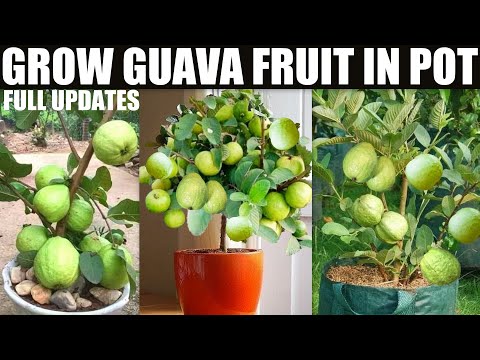
Planting and Caring for Guava Trees
- First, consider the climate. Guava trees thrive in warm, tropical climates with ample sunshine. They prefer well-drained soil with a pH range of 6.0 to 6.5. Before planting, ensure the soil is adequately prepared by removing weeds and incorporating organic matter to improve drainage and fertility.
- When choosing a guava variety, consider your desired fruit size, flavor, and ripening time. Some popular varieties include the common guava, the strawberry guava, and the pineapple guava. Once you’ve selected your variety, you can begin planting. Dig a hole twice the width and depth of the root ball. Gently loosen the roots and place the tree in the hole, ensuring the graft union is above the soil line. Backfill the hole with soil, firming it gently around the roots. Water the tree thoroughly after planting.
- Regular watering is crucial for establishing a healthy guava tree. During the first year, water deeply and frequently, especially during dry periods. As the tree matures, it becomes more drought-tolerant, but it still benefits from regular watering, particularly during periods of hot weather.
- Fertilizing your guava tree is essential for optimal growth and fruit production. Apply a balanced fertilizer, such as 10-10-10, every three months during the growing season. You can also use organic fertilizers like compost or manure.
- Pruning is an important aspect of guava tree care. It helps to maintain the tree’s shape, promote air circulation, and encourage fruit production. Prune your guava tree in the late winter or early spring before new growth emerges. Remove any dead, diseased, or crossing branches. You can also prune to shape the tree and encourage a more compact form.
- Guava trees are susceptible to various pests and diseases. Common pests include fruit flies, aphids, and mealybugs. To control pests, you can use insecticidal soap or neem oil. Diseases like anthracnose and leaf spot can also affect guava trees. These diseases can be managed by using fungicides or by practicing good sanitation practices.
- Harvesting guava fruit is a rewarding experience. The fruit will ripen on the tree and can be harvested when it turns a deep yellow or red color. The fruit can be eaten fresh, juiced, or used in jams, jellies, and other recipes.
Guava Tree Pests and Diseases
- One of the most common pests affecting guava trees is the guava fruit fly, which lays its eggs within the developing fruit. The larvae hatch and feed on the fruit pulp, causing it to rot and become unmarketable. To manage this pest, farmers can employ various strategies, including the use of insecticide sprays, fruit bagging, and the release of parasitic wasps that prey on the fruit fly larvae.
- Another significant pest is the guava whitefly, which sucks sap from the leaves, leading to stunted growth and leaf drop. The whitefly also secretes honeydew, a sticky substance that attracts sooty mold, further hindering photosynthesis. Controlling whitefly populations can be achieved through the use of insecticidal soaps, neem oil, or biological control agents like ladybugs.
- Guava rust, a fungal disease, is characterized by reddish-brown pustules on the leaves and stems. This disease can cause defoliation and weaken the tree, making it more susceptible to other pests and diseases. To prevent guava rust, it is essential to maintain good sanitation practices, such as removing infected leaves and branches, and applying fungicides as needed.
- Guava wilt, caused by a soilborne fungus, is a serious disease that can kill guava trees. Symptoms include wilting leaves, yellowing, and eventual death. There is no cure for guava wilt, but preventive measures, such as planting resistant varieties and avoiding waterlogged soils, can help reduce the risk of infection.
- Anthracnose, another fungal disease, affects the fruit, causing dark, sunken lesions. This disease can lead to fruit rot and reduce the marketability of the harvest. To manage anthracnose, farmers can use fungicides and ensure proper drainage to prevent waterlogging.
- Leaf spot diseases, caused by various fungal pathogens, can cause unsightly spots on the leaves, leading to defoliation and reduced fruit production. These diseases can be controlled through the use of fungicides and by maintaining good sanitation practices.
- In addition to these common pests and diseases, guava trees can also be affected by root rot, bacterial blight, and virus diseases. Early detection and prompt action are crucial for managing these threats.
Harvesting and Storing Guava Fruit
Once the guava fruits have reached maturity, the next step is harvesting and storing them to ensure optimal quality and longevity. Harvesting guava at the right time is crucial for maximizing flavor and preventing spoilage. The ideal time to harvest guava is when the fruits have reached their full size and color, typically when they turn from green to yellow or red, depending on the variety. However, it’s important to note that the ripeness of guava can vary depending on the variety and growing conditions.
To determine the ripeness of guava, gently press the fruit with your thumb. If it yields slightly, it’s likely ripe. Avoid harvesting fruits that are still hard or green, as they will not ripen further after being picked. Once the guava fruits are harvested, it’s essential to handle them with care to prevent bruising or damage.

For longer storage, guava fruits can be refrigerated. However, refrigeration can affect the texture and flavor of guava, making it less desirable for fresh consumption. If storing guava in the refrigerator, it’s best to place them in a plastic bag or container to prevent moisture loss.
Guava fruits can also be preserved for longer periods using various methods, such as canning, freezing, or drying. Canning involves preserving guava fruits in a sealed jar with a sugar syrup or brine solution. Freezing involves blanching the guava fruits before freezing them in airtight containers. Drying involves dehydrating the guava fruits to remove moisture, which extends their shelf life significantly.
When storing guava fruits, it’s important to check them regularly for signs of spoilage, such as mold, discoloration, or soft spots. Discard any fruits that show signs of spoilage to prevent the spread of bacteria and ensure food safety.

Delicious Guava Recipes
One of the simplest ways to enjoy guava is fresh, straight from the tree. The flesh is soft and juicy, with a slightly grainy texture. Its flavor can range from subtly sweet to intensely tart, depending on the variety. For a refreshing snack or dessert, simply slice the guava and enjoy its natural sweetness.
Guava’s versatility extends beyond fresh consumption. It can be easily incorporated into a variety of recipes, adding a unique flavor and texture to both sweet and savory dishes. For a sweet treat, consider making guava jam or jelly. The fruit’s pectin content allows it to gel easily, resulting in a thick and flavorful spread. Guava jam pairs well with toast, crackers, or even as a filling for pastries.
Guava juice is another popular way to enjoy this tropical fruit. Its vibrant pink hue and refreshing taste make it a perfect beverage for any occasion. You can make guava juice at home by blending the fruit with water and straining it through a fine-mesh sieve. For a more intense flavor, add a touch of lime juice or a pinch of sugar.
Guava’s versatility extends to savory dishes as well. Its tartness can balance the richness of meats and seafood, while its sweetness adds a subtle complexity to sauces and chutneys. Guava chutney, for instance, is a popular accompaniment to Indian curries and grilled meats. Its tangy flavor cuts through the richness of the dish, creating a harmonious balance of flavors.
Guava can also be incorporated into baked goods, adding a unique twist to traditional recipes. Guava cake, for example, is a popular dessert in many Latin American countries. The fruit’s sweetness and tanginess complement the cake’s buttery flavor, creating a delightful combination. Guava can also be used as a filling for pies, tarts, and even cookies.
Whether you enjoy it fresh, in a jam, or as a savory ingredient, guava is a versatile fruit that can add a touch of tropical flavor to your culinary creations. Growing your own guava tree can be a rewarding experience, providing you with a constant supply of this delicious fruit. With a little creativity, you can explore the many ways to incorporate guava into your recipes, creating dishes that are both flavorful and unique.
Q&A

What Guava Taste Like

Strawberry Guava

Guava Vs Mango

Why Is My Guava Tree Leaves Turning Yellow

Guava Vs Banana

Agave Vs Guava

Pink Guava Vs White Guava

Guava Leaves

Uses Of Guava Leaves

Green Guava

Cherry Guava

Thai Guava Vs Indian Guava

How To Increase Guava Fruit Size

Guava Vs Guanabana

Does Guava Need To Be Refrigerated

Why Guava Flower Drop

Fertilizer For Guava Tree

Can Guava Be Grown In Pots

How To Cook With Guava

Why Is My Guava Fruit Turning Brown

How To Pick A Good Guava

How To Tell When Guava Is Ready

How Long Does Guava Paste Last

What Are Guava Leaves Used For

Feijoa And Guava

Parts Of Guava Fruit

Fresh Guava Recipes

How To Keep Guava Fresh Without Refrigeration

Guava In Pot
