
The vibrant green skin of a guava, a symbol of its freshness and juiciness, can gradually transform into a dull brown, signaling a change in its ripeness. While this browning is a natural process, it can be a cause for concern for those who cherish the sweet, tropical flavor of this fruit. Understanding the reasons behind this color change can help you enjoy your guavas at their peak and prevent unnecessary waste.
Overripe Guava
The browning of guava fruit is primarily attributed to overripeness. As guavas mature, their natural sugars break down, leading to a change in their chemical composition. This breakdown process, known as enzymatic browning, results in the formation of melanoidins, pigments that give the fruit its brown hue. The extent of browning is influenced by factors such as the variety of guava, storage conditions, and the duration of ripening.
One of the most noticeable signs of overripeness is the softening of the fruit’s texture. As the guava ripens, its flesh becomes increasingly soft and mushy. This change in texture is a direct consequence of the breakdown of cell walls, which are responsible for maintaining the fruit’s structural integrity. The softening process is accelerated by the release of enzymes that break down the complex carbohydrates in the fruit’s flesh.

While overripeness is the primary cause of browning, other factors can also contribute to this color change. Exposure to sunlight, heat, and humidity can accelerate the ripening process and lead to premature browning. Similarly, improper storage conditions, such as high temperatures or excessive moisture, can promote the growth of microorganisms that can cause spoilage and discoloration.
To prevent browning and enjoy your guavas at their peak, it’s essential to select fruits that are firm and have a vibrant green skin. Avoid guavas that are soft, bruised, or have brown spots. Once you’ve chosen your guavas, store them in a cool, dry place, away from direct sunlight. If you’re planning to eat your guavas within a few days, you can store them at room temperature. However, for longer storage, it’s recommended to refrigerate them.
Sunburn
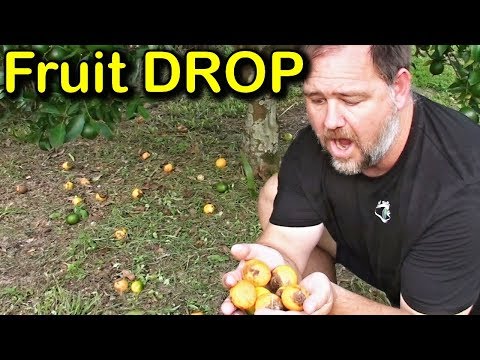
The sight of a once vibrant green guava fruit turning brown can be disheartening for any gardener. While there are several reasons why this might occur, one common culprit is sunburn. Guava fruits, like many other fruits, are susceptible to sun damage, especially during the peak of summer. This is because the delicate skin of the fruit is not equipped to handle prolonged exposure to intense sunlight.
Sunburn manifests itself as brown patches or spots on the surface of the guava fruit. These patches can range in size and severity, depending on the duration and intensity of the sun exposure. In severe cases, the entire fruit may turn brown and become inedible. The browning is a result of the breakdown of chlorophyll, the pigment responsible for the green color of the fruit, due to the damaging effects of ultraviolet radiation.
To prevent sunburn, it is crucial to provide shade for your guava trees, particularly during the hottest hours of the day. This can be achieved by planting taller trees or shrubs around the guava tree, creating a natural canopy. Alternatively, you can use artificial shade structures like shade cloth or umbrellas.
Another effective strategy is to use reflective mulches around the base of the guava tree. These mulches, such as white plastic or reflective fabric, reflect sunlight away from the fruit, reducing the amount of direct exposure. Additionally, ensure that the guava tree receives adequate water, as well-hydrated plants are more resilient to sun damage.
While sunburn is a common problem, it is important to note that other factors can also contribute to browning in guava fruits. These include fungal diseases, insect infestations, and even over-ripening. If you suspect that sunburn is not the cause of the browning, it is advisable to consult with a local agricultural expert or a plant pathologist for a proper diagnosis and treatment plan.
Pests and Diseases
The sight of a once vibrant green guava fruit turning brown can be disheartening for any gardener. This discoloration, often accompanied by a softening of the fruit, can be caused by a variety of factors, ranging from natural ripening to the presence of pests and diseases. Understanding the underlying cause is crucial for taking appropriate action and preventing further damage to your guava crop.
- One of the most common reasons for brown spots on guava fruit is simply over-ripening. As guavas mature, their skin naturally transitions from green to yellow, and eventually, to a reddish-brown hue. This process is a natural part of the fruit’s life cycle and is not necessarily indicative of a problem. However, if the browning is accompanied by a mushy texture, it could be a sign of over-ripening, which can attract pests and make the fruit susceptible to rot.
- Another potential culprit is fungal diseases, such as anthracnose. This disease, characterized by brown, sunken lesions on the fruit, can be particularly problematic in humid environments. Anthracnose thrives in wet conditions and can spread rapidly, causing significant damage to the guava crop. To prevent anthracnose, it is essential to maintain good sanitation practices, such as removing infected fruit and leaves, and avoiding overhead watering.
- Pests can also contribute to the browning of guava fruit. Fruit flies, for instance, are known to lay their eggs in ripening fruit, leading to the development of brown spots and eventual decay. These pests are attracted to overripe or damaged fruit, so it is important to harvest guavas promptly and remove any fallen fruit from the orchard floor.
- In addition to pests and diseases, environmental factors can also play a role in fruit browning. For example, exposure to excessive sunlight can cause sunscald, a condition that results in brown, leathery patches on the fruit. To prevent sunscald, it is advisable to provide shade for guava trees during the hottest part of the day.
Finally, improper storage can also contribute to the browning of guava fruit. Guavas are best stored at cool temperatures, ideally between 45°F and 50°F. Storing them at room temperature can accelerate ripening and lead to browning.
Improper Storage
The vibrant green skin of a freshly picked guava is a sight to behold, promising a burst of sweet and tangy flavor. However, the joy of this tropical fruit can quickly turn to disappointment when you notice brown spots appearing on its surface. While there are several reasons why your guava might be turning brown, improper storage is a common culprit.
Guavas are delicate fruits that are susceptible to bruising and damage, which can accelerate the browning process. When stored improperly, the fruit is exposed to conditions that promote the breakdown of its natural pigments and enzymes, leading to discoloration.
One of the most common mistakes is storing guavas at room temperature for extended periods. While this might seem like a convenient option, it exposes the fruit to fluctuating temperatures and humidity, which can cause it to ripen too quickly and develop brown spots. The ideal temperature for storing guavas is between 40°F and 50°F, which slows down the ripening process and preserves their freshness.
Another crucial aspect of proper storage is avoiding direct sunlight. Guavas are sensitive to UV rays, which can damage their skin and accelerate browning. Therefore, it’s essential to store them in a cool, dark place, such as a refrigerator drawer or a crisper.
Furthermore, the way you handle guavas can also impact their longevity. Avoid squeezing or pressing the fruit, as this can cause bruising and damage the delicate skin. When storing multiple guavas, ensure they are not stacked on top of each other, as this can lead to pressure points and premature browning.
If you’re planning to store guavas for an extended period, consider wrapping them individually in plastic wrap or placing them in a sealed container. This helps to prevent moisture loss and maintain their freshness. However, it’s important to note that even with proper storage, guavas have a limited shelf life, typically lasting for a week or two.
Environmental Factors
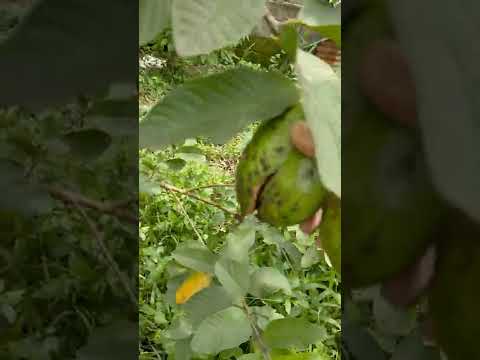
One of the primary environmental factors influencing guava browning is temperature. Guavas are sensitive to temperature fluctuations, and prolonged exposure to high temperatures can accelerate the browning process. This is because high temperatures promote the activity of enzymes responsible for the breakdown of chlorophyll, the pigment that gives fruits their green color. As chlorophyll degrades, the fruit’s skin becomes more susceptible to browning. Conversely, exposure to low temperatures can also contribute to browning, as it can damage cell membranes and lead to the release of enzymes that promote browning.
Humidity is another crucial environmental factor that can impact guava browning. High humidity levels can create a favorable environment for the growth of fungi and bacteria, which can cause the fruit to rot and brown. Furthermore, high humidity can also lead to condensation on the fruit’s surface, creating a moist environment that promotes the activity of browning enzymes. Conversely, low humidity can lead to dehydration, which can also contribute to browning.
Exposure to sunlight is another environmental factor that can influence guava browning. While sunlight is essential for photosynthesis and fruit development, excessive exposure to direct sunlight can cause the fruit to overheat and become sunburned. Sunburn can lead to browning, as well as other damage, such as cracking and scarring. Therefore, it is important to provide shade for guava trees during the hottest parts of the day, especially during the ripening stage.
The presence of ethylene gas, a naturally occurring plant hormone, can also contribute to guava browning. Ethylene is produced by ripening fruits and can accelerate the browning process in nearby fruits. Therefore, it is important to store guavas separately from other fruits that produce ethylene, such as bananas and apples.
In addition to these environmental factors, other factors, such as the variety of guava, the maturity of the fruit, and the presence of pests and diseases, can also contribute to browning. However, understanding the role of environmental factors is crucial for minimizing browning and ensuring the quality of guava fruit. By controlling temperature, humidity, sunlight exposure, and ethylene levels, growers and consumers can take steps to preserve the freshness and quality of their guavas.