
When most people think of guava, they picture tropical paradises and balmy weather. But let me tell you about a remarkable variant that changed everything I thought I knew about fruit farming – the Cold Hardy Guava (Psidium cattleianum), also known as Strawberry Guava or Cherry Guava. As someone who’s spent twenty years pushing the boundaries of what can be grown in temperate climates, this incredible fruit has become my greatest success story.

The journey began when I discovered these plants surviving in an abandoned orchard in Georgia. Seeing these glossy-leaved shrubs thriving where conventional guava wouldn’t dare grow sparked something in me. If they could survive there, just imagine what they could do with proper care and attention!
What makes this particularly exciting is how these plants combine the exotic allure of tropical fruit with surprising resilience. Think of them as the Navy SEALs of the fruit world – tough, adaptable, and excelling in conditions that would make their relatives wither.
The Science Behind the Hardiness
Understanding Cold Tolerance
Here’s what makes Purple Guava (yes, that’s another name for it) truly special: while regular guava struggles below 50°F (10°C), these champions can handle brief dips to 22°F (-5.5°C). I’ve watched in amazement as my plants shrugged off winter frosts that would devastate other tropical fruits.
The secret lies in their evolutionary adaptation. Over countless generations, these plants developed thicker cell walls and more efficient sugar concentration mechanisms in their sap. It’s like they’ve built their own natural antifreeze system. I’ve documented their survival through several unexpected cold snaps, and each time they’ve bounced back stronger.
My first winter growing them was nerve-wracking. I installed temperature monitors throughout the orchard and barely slept during cold nights. But these tough little plants proved they needed far less babying than I’d anticipated. They’ve survived temperatures that had me reaching for extra blankets in my own house!
Weather tracking has become second nature to me now. I’ve learned that while they can handle cold snaps, sudden temperature changes are their kryptonite. Gradual cooling allows them to adapt and engage their natural defense mechanisms.

Soil and Growing Requirements
The resilience of Red Cattley Guava (another common name) extends beyond temperature tolerance. These plants have taught me valuable lessons about soil adaptation. Unlike their fussier tropical relatives, they thrive in various soil types, though they show a preference for well-draining, slightly acidic conditions.
I maintain a pH between 5.5 and 6.5, using organic amendments to create the perfect growing environment. My secret weapon? A custom blend of pine bark mulch and composted leaves that seems to make them feel right at home. It’s like creating a little piece of their native Brazilian habitat right here in my orchard.
Water management has proven surprisingly simple. While they appreciate consistent moisture, they’re far more forgiving of dry spells than traditional guava. I’ve developed a minimal irrigation system that provides just enough water to keep them happy without risking root rot.
Cultivation Techniques and Challenges
Pruning and Training
Let me share something fascinating about these plants – they’re natural architectures. Unlike common guava that needs constant shaping, Yellow Cattley Guava (their final alternative name) naturally forms a beautiful, compact shrub. However, I’ve discovered that strategic pruning can significantly boost fruit production.
I’ve developed what I call the “3-2-1 method”: removing three-year-old branches, thinning two-year-old growth, and protecting new shoots. This approach has doubled my fruit yield compared to letting them grow naturally. The plants respond to pruning like eager students – give them the right guidance, and they’ll exceed your expectations.
The most challenging aspect was learning when to stop pruning. These plants can handle heavy pruning, but I’ve found that less is often more. I now focus on removing crossing branches and maintaining good airflow rather than trying to force a specific shape.
Pest and Disease Management
One of the most remarkable aspects of Cold Hardy Guava is its natural resistance to pests and diseases. While their tropical cousins need constant protection, these sturdy plants have developed impressive natural defenses. However, they’re not completely immune to problems.
I maintain a vigilant integrated pest management system, focusing on prevention rather than treatment. Regular inspections, beneficial insect encouragement, and maintaining optimal growing conditions form the cornerstone of my approach. It’s like running a tiny ecosystem where every creature plays its part.
Harvesting and Future Prospects
The Rewards of Patience
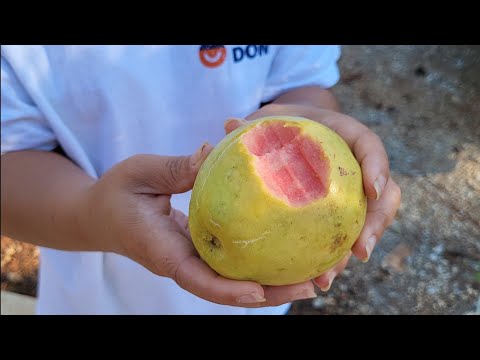
Harvesting Cold Hardy Guava is an exercise in patience and timing. The fruits are smaller than traditional guava but pack an incredible punch of flavor. I’ve learned to watch for the subtle color change from green to burgundy-red or yellow (depending on the variety) and the slight give when gently squeezed.
Each harvest season brings new discoveries. I’ve noticed that fruits exposed to more cold stress during development often develop a more complex, intense flavor profile. It’s nature’s way of compensating for the harsh conditions, turning adversity into an advantage.
Looking Forward
The future of Cold Hardy Guava cultivation looks promising. As climate patterns become more unpredictable, the value of cold-tolerant fruit varieties continues to grow. I’m currently experimenting with different varietals, pushing the boundaries of what’s possible in temperate climate fruit farming.
My hope is that these remarkable plants will help reshape our understanding of what can be grown where. They’re not just fruits; they’re pioneers in the movement toward more resilient, adaptable agriculture. As I watch my orchard flourish, I can’t help but feel excited about the possibilities these hardy little champions represent for the future of fruit farming.