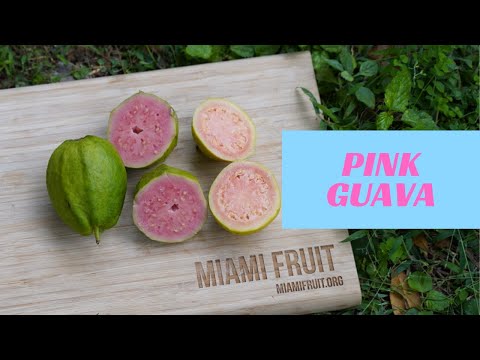
Guava and pink guava are both tropical fruits belonging to the same species, *Psidium guajava*. The main difference lies in their flesh color: guava has a white or pale yellow flesh, while pink guava has a vibrant pink flesh. This color variation is due to the presence of lycopene, a powerful antioxidant found in pink guava.
Taste and Flavor Profile
The most noticeable difference lies in the color of the flesh. Guava, also known as white guava, typically has a pale white or cream-colored flesh, while pink guava, as its name suggests, boasts a vibrant pink or red flesh. This color difference is attributed to the presence of lycopene, a carotenoid pigment responsible for the red color in tomatoes and watermelons. Pink guava contains a higher concentration of lycopene, resulting in its characteristic hue.
Beyond color, the taste and flavor profiles of guava and pink guava diverge significantly. Guava, with its pale flesh, often presents a mild, slightly tart flavor with a subtle sweetness. The flavor is often described as reminiscent of pear or apple, with a hint of citrus. In contrast, pink guava, due to its higher lycopene content, exhibits a more intense, sweet, and slightly tangy flavor. The sweetness is often described as being more pronounced than in guava, with a hint of strawberry or watermelon.

The texture of the two varieties also differs. Guava, with its lower lycopene content, tends to have a firmer texture, while pink guava, due to its higher lycopene content, often exhibits a softer, more delicate texture. This difference in texture can influence the overall eating experience, with guava offering a more crisp bite and pink guava providing a smoother, more melt-in-your-mouth sensation.
Ultimately, the choice between guava and pink guava comes down to personal preference. Guava, with its mild, slightly tart flavor and firm texture, appeals to those seeking a more subtle and refreshing taste. Pink guava, with its intense sweetness, tangy notes, and softer texture, caters to those who prefer a more pronounced and flavorful experience. Both varieties offer a unique and enjoyable taste, making them versatile fruits that can be enjoyed in various ways, from fresh consumption to jams, jellies, and juices.

Nutritional Content and Health Benefits
Guava and pink guava, both members of the Psidium genus, are tropical fruits renowned for their sweet, tangy flavor and nutritional richness. While they share many similarities, subtle differences in their appearance, taste, and nutritional profiles set them apart. Understanding these distinctions can help consumers make informed choices based on their individual preferences and dietary needs.
- Guava, scientifically known as Psidium guajava, boasts a green or yellow skin when ripe, with a white or pale yellow flesh. Its flavor is typically tart and slightly acidic, with a distinct aroma. Pink guava, on the other hand, is characterized by its pink or red skin and vibrant pink flesh. Its taste is sweeter and less acidic than regular guava, with a more delicate aroma.
- In terms of nutritional content, both guava varieties are excellent sources of vitamins, minerals, and antioxidants. However, there are some notable differences. Guava is particularly rich in vitamin C, boasting almost twice the amount found in oranges. It also contains a significant amount of dietary fiber, potassium, and folate. Pink guava, while slightly lower in vitamin C, is a good source of vitamin A, which is essential for healthy vision and skin. It also contains a higher concentration of lycopene, a powerful antioxidant linked to various health benefits, including reduced risk of heart disease and certain cancers.
- The health benefits associated with guava and pink guava stem from their rich nutritional profiles. Both fruits are known to boost the immune system due to their high vitamin C content. The fiber in guava aids digestion and promotes regularity, while the potassium helps regulate blood pressure. Pink guava’s lycopene content has been linked to improved cardiovascular health and reduced risk of prostate cancer.
- Furthermore, guava and pink guava are low in calories and fat, making them a healthy snack option. Their high fiber content also contributes to feelings of fullness, helping with weight management. The antioxidants present in both fruits protect against cell damage caused by free radicals, potentially reducing the risk of chronic diseases.
Culinary Uses and Recipes
Guava, with its green skin and white flesh, boasts a tart and tangy flavor. Its texture is firm and slightly grainy, making it ideal for savory dishes. It can be incorporated into chutneys, salsas, and relishes, adding a vibrant acidity and a touch of sweetness. Guava’s tartness also complements spicy curries and stir-fries, providing a refreshing counterpoint to the heat. In addition, guava can be used in jams, jellies, and preserves, where its tartness balances the sweetness of the sugar.
Pink guava, on the other hand, features a pink or red skin and a pale pink flesh. Its flavor is sweeter and more aromatic than its green counterpart, with hints of strawberry and pear. The texture is softer and smoother, making it a popular choice for desserts and beverages. Pink guava is often used in smoothies, juices, and ice creams, where its sweetness and delicate flavor shine through. It can also be incorporated into cakes, pies, and tarts, adding a vibrant color and a subtle sweetness.
The versatility of both guava and pink guava extends beyond their individual uses. They can be combined in recipes to create unique flavor profiles. For instance, a guava and pink guava chutney can offer a balance of tartness and sweetness, while a guava and pink guava smoothie can provide a refreshing and flavorful beverage.
When selecting guava for culinary purposes, it’s essential to consider the desired flavor profile and texture. For a tart and tangy flavor, guava is the preferred choice. For a sweeter and more aromatic flavor, pink guava is the better option. However, both varieties offer a unique culinary experience and can be incorporated into a wide range of dishes.
Beyond their culinary uses, both guava and pink guava are rich in vitamins, minerals, and antioxidants, making them a healthy addition to any diet. Guava is particularly high in vitamin C, while pink guava is a good source of potassium.
In conclusion, guava and pink guava, despite their similarities, offer distinct flavor profiles and culinary applications. Guava’s tartness makes it ideal for savory dishes, while pink guava’s sweetness and aroma lend themselves to desserts and beverages. Both varieties can be combined to create unique flavor combinations, adding a touch of tropical flair to any recipe. Whether enjoyed in a savory chutney or a refreshing smoothie, guava and pink guava offer a delightful culinary experience.
Growing and Harvesting
Both guava and pink guava thrive in warm, humid climates with ample sunlight. They prefer well-drained, slightly acidic soil with a pH range of 6.0 to 6.5. While they can tolerate some drought, regular watering is essential, especially during the fruiting season.
Propagation is typically done through seeds or cuttings. Seed propagation is a simple method, but it can result in variations in fruit characteristics. Cuttings, on the other hand, ensure that the offspring inherit the traits of the parent plant.
Guava trees are relatively fast-growing, reaching maturity within 2-3 years. They can grow up to 30 feet tall, but pruning is often necessary to maintain a manageable size and encourage fruit production.
The fruiting season for both guava and pink guava typically occurs during the summer months. However, the exact timing can vary depending on the specific variety and the climate.

Guava fruits are typically harvested by hand, carefully detaching them from the branches. It’s important to avoid bruising the fruits during the picking process.
Pink guava, with its delicate skin, requires extra care during harvesting. The fruits are often picked slightly underripe to prevent bruising and ensure a longer shelf life.
Once harvested, guava and pink guava fruits can be stored at room temperature for a few days or refrigerated for up to a week.
While the growing and harvesting processes for guava and pink guava are similar, there are some key differences. Pink guava, with its thinner skin and higher sugar content, requires more careful handling during harvesting and storage.
Overall, both guava and pink guava are relatively easy to grow and harvest. With proper care and attention, these tropical fruits can provide a delicious and nutritious addition to any diet.
Cultural Significance and History
The common guava, with its green skin and white flesh, has been cultivated for centuries, its origins tracing back to pre-Columbian times. It was a staple food for indigenous populations in the Americas, providing a valuable source of vitamins, minerals, and antioxidants. The fruit’s versatility allowed for its consumption in various forms, from fresh eating to jams, jellies, and even beverages. As European explorers ventured into the Americas, they encountered the guava and were captivated by its flavor and nutritional value. The fruit was subsequently introduced to other parts of the world, including Asia, Africa, and the Caribbean, where it quickly gained popularity and became an integral part of local cuisines.
The pink guava, a genetic variant of the common guava, is characterized by its distinctive pink flesh and sweeter flavor. Its origins are less clear, but it is believed to have emerged in the Caribbean region, possibly through natural hybridization or selective breeding. The pink guava quickly gained popularity for its unique flavor and vibrant color, becoming a favorite among locals and visitors alike. Its sweet and aromatic qualities made it ideal for desserts, jams, and juices, adding a touch of elegance and sophistication to culinary creations.
Beyond its culinary significance, the guava, in both its common and pink varieties, has played a significant role in the cultural traditions of many societies. In some cultures, the guava is associated with fertility and abundance, symbolizing prosperity and good fortune. Its presence in religious ceremonies and festivals further underscores its cultural importance. In India, for instance, the guava is considered a sacred fruit, often offered to deities as a symbol of respect and devotion.
The guava’s cultural significance is also reflected in its use in traditional medicine. Both varieties are known for their medicinal properties, with their leaves, bark, and fruits being used to treat various ailments. In some cultures, guava tea is believed to have anti-inflammatory and antioxidant properties, while guava leaves are used to soothe skin irritations and infections. The fruit’s versatility and medicinal properties have made it a valuable resource for generations, contributing to the well-being and health of communities.
In conclusion, the guava, in both its common and pink varieties, has a rich history and cultural significance that extends far beyond its delicious flavor. From its origins in the Americas to its global spread, the guava has become an integral part of culinary landscapes and social traditions worldwide. Its versatility, nutritional value, and medicinal properties have made it a cherished fruit, symbolizing prosperity, abundance, and good health. As we continue to appreciate the guava’s unique qualities, we also acknowledge its profound impact on the cultural heritage of countless societies.
Q&A
## Guava vs Pink Guava: 5 Questions & Answers
**1. What is the main difference between guava and pink guava?**
**Answer:** Pink guava is a variety of guava with a pink flesh, while regular guava has a white or pale yellow flesh.
**2. What is the taste difference between guava and pink guava?**
**Answer:** Pink guava is generally sweeter and more aromatic than regular guava.
**3. Which type of guava is more popular?**
**Answer:** Pink guava is generally more popular due to its sweeter taste and vibrant color.
**4. Are there any nutritional differences between guava and pink guava?**
**Answer:** Both types of guava are rich in vitamin C, fiber, and antioxidants. However, pink guava may have slightly higher levels of certain nutrients due to its different pigmentation.
**5. Can you eat the skin of both types of guava?**
**Answer:** Yes, the skin of both guava and pink guava is edible and can be eaten. However, some people prefer to peel it off.Guava and pink guava are both delicious and nutritious fruits, but they differ in flavor, texture, and nutritional content.