After spending over a decade growing guavas on my farm in various climates, I’ve developed an intimate understanding of how these remarkable fruits transform from raw to ripe. It’s fascinating how a single fruit can offer such different experiences at various stages of maturity. Let me share what I’ve learned about the distinct characteristics and benefits of both raw and ripe guavas.
Physical Characteristics and Identification
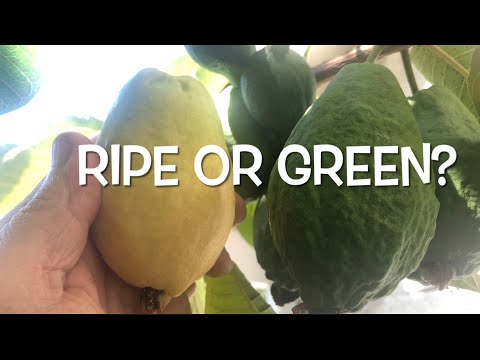
When I’m teaching new farmers how to identify the perfect guava for different uses, I always start with the basics. Raw guavas are firm to the touch – almost as hard as an apple. Their skin has a bright green color, and they often have a slightly bitter, astringent smell. There’s something crisp and fresh about them that reminds me of green apples.

The internal structure changes dramatically too. Raw guavas have firmer flesh and harder seeds, while ripe ones develop a softer, more succulent flesh. The color inside intensifies as well – pink varieties become deeper pink, and white varieties develop a creamier hue.
One interesting observation I’ve made over the years is that the texture of the skin can also be a reliable indicator. Raw guavas have a slightly rough, bumpy texture, while ripe ones become smoother as they mature.
Nutritional Differences
| Component | Raw Guava | Ripe Guava |
|---|---|---|
| Vitamin C | Higher content | Slightly lower but more bioavailable |
| Sugar Content | Lower (4-6g/100g) | Higher (8-12g/100g) |
| Fiber | Higher, more rigid fiber | More digestible fiber |
| Antioxidants | Different composition | Higher levels of certain antioxidants |
One of the most surprising things I’ve learned is that raw guavas actually contain more vitamin C than ripe ones. However, the body can more easily absorb the vitamin C from ripe guavas. It’s nature’s way of making nutrients more accessible as the fruit matures.
The tannin content also changes significantly during ripening. Raw guavas have higher levels of tannins, which explains their astringent taste. These compounds actually have some health benefits, particularly for digestive health.
The pectin content – something I pay close attention to as it affects both nutrition and cooking properties – is higher in raw guavas. This makes raw guavas particularly useful for making jams and preserves.

Culinary Uses and Applications
Through years of experimenting in my farm kitchen, I’ve discovered that raw and ripe guavas each have their ideal culinary applications. Raw guavas excel in preparations where you want to maintain shape and texture. They’re perfect for pickling, making firm jams, or adding to savory dishes where you don’t want excess sweetness.
Ripe guavas are your go-to for fresh eating, smoothies, and desserts. Their natural sweetness means you need less added sugar, and their softer texture makes them perfect for purees and sauces. I’ve found that ripe guavas make the most aromatic juice – something about the ripening process really brings out those complex flavor compounds.
Interestingly, raw guavas are preferred in many traditional medicinal preparations. In several cultures, the astringent properties of raw guavas are utilized for their therapeutic benefits, particularly for digestive issues.
When making preserves, I often use a mixture of raw and ripe guavas. The raw ones provide the pectin and structure, while the ripe ones contribute the sweet flavor and aroma. It’s all about finding the right balance.
Storage and Shelf Life
Raw guavas have a significant advantage when it comes to storage. In my experience, they can last up to two weeks when refrigerated, making them ideal for commercial shipping and distribution. They continue to ripen slowly, giving you more control over when they’ll be ready to eat.
Ripe guavas, however, are much more delicate. They typically need to be used within 2-4 days, even when refrigerated. I’ve found that the peak flavor window for a ripe guava is actually quite short – usually just 1-2 days. This is why timing is so crucial in commercial guava farming.
Temperature management is critical for both stages. I store raw guavas at around 45-50°F (7-10°C) to slow the ripening process, while ripe guavas do better at slightly warmer temperatures to maintain their flavor profile.
One storage tip I’ve learned: never store raw and ripe guavas together. Ripe fruits release ethylene gas which speeds up the ripening process of nearby raw fruits, potentially leading to uneven ripening.
Making the Right Choice
Choosing between raw and ripe guavas really depends on your intended use. For immediate consumption and maximum sweetness, go for ripe guavas. If you’re planning to cook with them or need them to last longer, raw guavas might be your better option.
I always tell my customers to consider their timing. If you’re shopping for the week ahead, select mostly raw guavas and a few ripe ones. This way, you’ll have fruit ready to eat immediately and more ripening throughout the week.
Remember that ripeness isn’t a matter of better or worse – it’s about different stages of the same wonderful fruit, each with its own unique properties and best uses. Understanding these differences has made me a better farmer and has helped countless customers enjoy guavas to their fullest potential.