
Akebia is a genus of flowering plants in the family Lardizabalaceae, native to East Asia. They are vigorous, deciduous vines with attractive foliage and fragrant flowers. Akebia are known for their edible fruits, which are long, purple pods containing sweet, jelly-like pulp. They are also popular for their ornamental value, adding a touch of exotic beauty to gardens and landscapes.
Planting Akebia
Akebia, a genus of flowering vines native to East Asia, offers a unique blend of beauty and practicality. Its delicate, fragrant flowers and attractive foliage make it a desirable addition to any garden, while its edible fruits and hardy nature further enhance its appeal. Cultivating akebia is a rewarding experience, and understanding the basics of planting is crucial for its successful growth.
Choosing the right location is paramount. Akebia thrives in partial shade, tolerating full sun in cooler climates. However, excessive sun exposure can lead to scorching and wilting. Ideally, select a spot that receives morning sun and afternoon shade. The soil should be well-drained, as akebia is susceptible to root rot in waterlogged conditions. A slightly acidic to neutral pH is preferred.
Planting akebia is a straightforward process. Dig a hole twice as wide and as deep as the root ball. Gently loosen the roots and spread them out before placing the plant in the hole. Backfill the hole with the original soil, ensuring the crown of the plant is at or slightly above ground level. Water thoroughly after planting to settle the roots.

Akebia is a vigorous climber, reaching heights of 20 to 30 feet. It can be trained to grow on trellises, fences, or walls, adding a touch of elegance to any structure. Its tendrils, equipped with small hooks, allow it to cling readily to its support. Pruning is generally not required, but you can trim back any unruly growth or shape the vine to your liking.
Akebia is relatively pest- and disease-resistant. However, it can be susceptible to aphids and scale insects. These pests can be controlled with insecticidal soap or horticultural oil. Additionally, keep an eye out for signs of fungal diseases, such as powdery mildew or leaf spot. If you notice any problems, consult a local gardening expert for advice.
Akebia is a versatile plant that can be enjoyed for its beauty, practicality, and ease of care. Its fragrant flowers, attractive foliage, and edible fruits make it a valuable addition to any garden. By following these simple planting guidelines, you can ensure the successful growth and enjoyment of this unique and rewarding vine.
Pruning Akebia
Akebia, with its delicate, fragrant flowers and attractive foliage, is a popular choice for gardeners seeking a unique and low-maintenance vine. However, like any plant, Akebia benefits from proper pruning to maintain its shape, encourage healthy growth, and maximize its flowering potential. Pruning Akebia is a relatively simple process, but understanding the plant’s growth habits and the different types of pruning techniques is essential for achieving the desired results.
The best time to prune Akebia is in late winter or early spring, before new growth emerges. This allows you to clearly see the plant’s structure and make informed decisions about which branches to remove. During this dormant period, the plant is less likely to experience stress from pruning, and the wounds will have time to heal before the growing season begins.
One of the primary reasons for pruning Akebia is to control its growth. Akebia can be a vigorous grower, and without regular pruning, it can quickly become unruly and overwhelm its surroundings. To manage its growth, you can prune back any branches that are growing too long or in undesirable directions. This can be done by simply cutting the branch back to a desired length or removing it entirely.
Another important aspect of pruning Akebia is to encourage flowering. Akebia produces its fragrant flowers on new growth, so pruning can help to stimulate the production of new shoots and, consequently, more flowers. To achieve this, you can prune back older branches to encourage the growth of new shoots. This technique is particularly effective in the early years of the plant’s life, when it is still establishing itself.
When pruning Akebia, it’s important to use sharp, clean pruning shears to make clean cuts. This will help to prevent the spread of diseases and promote faster healing. Additionally, you should avoid pruning too heavily, as this can stress the plant and reduce its flowering potential. A general rule of thumb is to remove no more than one-third of the plant’s foliage at any one time.
Pruning Akebia can also be used to shape the plant and create a desired effect. For example, you can train Akebia to grow up a trellis or wall, or you can prune it to create a cascading effect. To train Akebia, simply tie the branches to the support structure as they grow. You can also use pruning to remove any dead, diseased, or damaged branches.
In conclusion, pruning Akebia is an essential part of its care, helping to maintain its shape, encourage healthy growth, and maximize its flowering potential. By understanding the different types of pruning techniques and following the guidelines outlined above, you can ensure that your Akebia thrives and continues to provide you with its beauty and fragrance for years to come.
Akebia Care
Akebia, a genus of flowering vines native to East Asia, is a popular choice for gardeners seeking a hardy and attractive addition to their landscape. These vines, known for their fragrant flowers and edible fruit, are relatively easy to grow and require minimal maintenance. However, understanding the specific needs of Akebia can ensure optimal growth and a bountiful harvest.
Akebia thrives in a variety of soil types, but prefers well-drained, fertile soil with a slightly acidic pH. While they can tolerate some shade, they perform best in full sun to partial shade. When planting Akebia, it is important to choose a location that provides adequate support for the vine to climb. Trellises, fences, or arbors are ideal structures for this purpose.
Once established, Akebia requires minimal watering, especially in areas with regular rainfall. However, during periods of drought, it is essential to provide supplemental irrigation to prevent the soil from drying out completely. Regular fertilization is also beneficial, particularly during the growing season. A balanced fertilizer applied every few months will provide the necessary nutrients for healthy growth and flowering.

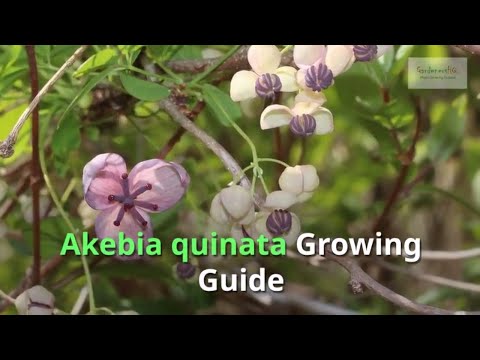
One of the most attractive features of Akebia is its fragrant flowers. These flowers, which appear in early spring, are typically purple or reddish-brown and emit a sweet, vanilla-like scent. The flowers are followed by edible fruit, which resembles a long, sausage-shaped pod. The fruit, which ripens in late summer or early fall, has a sweet, slightly tart flavor and can be eaten fresh or used in jams, jellies, and other culinary creations.
To encourage fruit production, it is important to plant at least two Akebia vines, as they are dioecious, meaning they have separate male and female plants. The male plants produce pollen, while the female plants produce fruit. Once the fruit has ripened, it can be harvested by gently twisting the pod from the vine.
In addition to its ornamental and culinary value, Akebia also provides valuable ecological benefits. The dense foliage of the vine provides shelter and nesting sites for birds and other wildlife. The roots of Akebia help to stabilize soil and prevent erosion.
Overall, Akebia is a versatile and rewarding plant that can enhance any garden. With its attractive flowers, edible fruit, and low-maintenance requirements, Akebia is a valuable addition to any landscape. By providing the appropriate growing conditions and care, gardeners can enjoy the beauty and benefits of this unique and fascinating vine for years to come.

Akebia Pests and Diseases
Akebia, with its delicate, fragrant flowers and attractive foliage, is a popular choice for gardeners seeking a unique and hardy climbing vine. However, like any plant, akebia is susceptible to certain pests and diseases that can affect its health and appearance. Understanding these potential threats and implementing appropriate preventative measures can help ensure the longevity and vitality of your akebia vine.
- One of the most common pests that can plague akebia is the aphid. These tiny, soft-bodied insects feed on the sap of the plant, causing leaves to curl, distort, and become discolored. Aphids can also transmit plant viruses, further compromising the health of the vine. To control aphids, a strong jet of water can be used to dislodge them from the plant. Alternatively, insecticidal soap or neem oil can be applied to the foliage, targeting the aphids directly.
- Another pest that can cause damage to akebia is the scale insect. These small, armored insects attach themselves to the stems and leaves of the plant, sucking out the sap and leaving behind a sticky residue known as honeydew. This honeydew can attract other pests, such as ants and sooty mold, further complicating the problem. Scale insects can be controlled by scraping them off the plant with a fingernail or a brush. Horticultural oil can also be applied to suffocate the insects.
- While pests can be a nuisance, akebia is also susceptible to a few diseases. Powdery mildew is a fungal disease that manifests as a white, powdery coating on the leaves and stems of the plant. This disease thrives in humid conditions and can weaken the plant, making it more susceptible to other problems. To prevent powdery mildew, ensure adequate air circulation around the plant and avoid overhead watering. If powdery mildew does appear, it can be treated with a fungicide.
- Leaf spot is another fungal disease that can affect akebia. This disease causes brown or black spots to appear on the leaves, which can eventually lead to defoliation. Leaf spot is often exacerbated by wet conditions and poor air circulation. To prevent leaf spot, avoid overcrowding the plant and ensure adequate drainage. If leaf spot does occur, remove infected leaves and treat the plant with a fungicide.
- Root rot is a serious disease that can affect akebia, particularly in poorly drained soil. This disease is caused by fungi that thrive in wet conditions, attacking the roots and preventing them from absorbing water and nutrients. To prevent root rot, ensure that the soil is well-drained and avoid overwatering. If root rot is suspected, it may be necessary to repot the plant in fresh, well-draining soil.
By understanding the potential pests and diseases that can affect akebia and implementing appropriate preventative measures, you can help ensure the health and vitality of your vine. Regular inspection of the plant for signs of infestation or disease is crucial for early detection and treatment. With proper care and attention, your akebia will thrive and reward you with its beauty and fragrance for years to come.
Akebia Uses
Akebia, a genus of flowering vines native to East Asia, offers a unique blend of ornamental and edible qualities. While its delicate, fragrant flowers and attractive foliage make it a popular choice for landscaping, the plant’s versatility extends beyond aesthetics. Akebia’s fruits, pods filled with sweet, juicy pulp, are a culinary delight, adding a touch of exotic flavor to various dishes.
- The most commonly cultivated species, Akebia quinata, produces elongated, purple-brown pods that ripen in late summer or early fall. These pods, often referred to as “chocolate vine” due to their color, are not only visually appealing but also edible. The pulp within the pods, which resembles a cross between a banana and a kiwi, can be eaten fresh, adding a subtle sweetness and a hint of tartness to the palate.
- Beyond its fresh consumption, Akebia fruit can be incorporated into a variety of culinary creations. Its sweet and slightly tart flavor lends itself well to jams, jellies, and preserves, adding a unique twist to traditional recipes. The pulp can also be used to create flavorful sauces, syrups, and even wines, showcasing the versatility of this underutilized fruit.
- Furthermore, Akebia leaves, while not as commonly consumed as the fruit, can be used in various ways. They can be added to salads for a touch of bitterness and a unique texture, or used as a flavorful ingredient in stir-fries and other Asian-inspired dishes. The leaves can also be dried and used to make a flavorful tea, offering a refreshing and slightly bitter beverage.
- The medicinal properties of Akebia have also been recognized for centuries in traditional Chinese medicine. The plant’s roots, stems, and leaves are believed to possess various therapeutic benefits, including anti-inflammatory, analgesic, and diuretic properties. However, it’s important to note that scientific research on the medicinal uses of Akebia is still limited, and further studies are needed to confirm its efficacy and safety.
In conclusion, Akebia offers a unique combination of ornamental, culinary, and potentially medicinal benefits. Its attractive foliage, fragrant flowers, and edible fruits make it a valuable addition to any garden, while its versatility in the kitchen and potential medicinal properties further enhance its appeal. As awareness of Akebia’s diverse uses grows, this fascinating plant is poised to become a more prominent feature in gardens, kitchens, and even medicine cabinets around the world.
Our experience
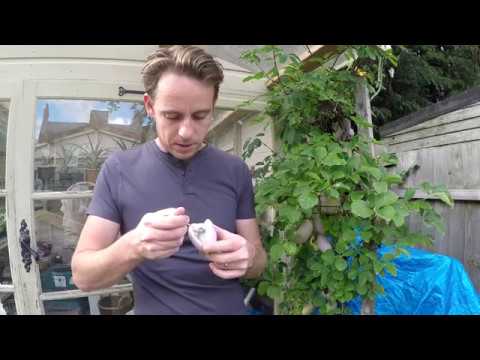
Alright, let’s talk about Akebia quinata, or as I like to call it, the chocolate vine. Now, I know what you’re thinking: “Chocolate vine? Is that even a thing?” Trust me, it is, and it’s a pretty sweet thing at that. As a farmer who’s spent countless hours knee-deep in exotic fruits, I can tell you, this vine is a hidden gem.
Akebia quinata is a fascinating plant. It’s got these delicate, compound leaves that look like tiny hands, and in spring, it produces these enchanting purple flowers that smell like vanilla. But the real magic happens in the summer when the vine bears its fruit. It’s a long, purplish-brown pod, and inside, you’ll find a sweet, jelly-like pulp with tiny black seeds. People often compare the flavor to a mix of banana, strawberry, and coconut. Yeah, I know, it sounds too good to be true, but trust me, it’s legit.
Now, let’s talk about where to plant this beauty. Akebia is pretty adaptable, but it does best in USDA hardiness zones 5 to 8. It likes a spot with partial shade, but it can tolerate full sun as long as it gets enough water. The soil should be well-drained and rich in organic matter. Think of it like this: your Akebia is a bit of a diva. It wants the best of both worlds – a little pampering, but not too much.
Once your Akebia is in the ground, it’s mostly hands-off. It’s a pretty low-maintenance plant. Regular watering, especially during dry spells, is important. A layer of mulch around the base will help retain moisture and suppress weeds. As for fertilizing, a balanced fertilizer applied in spring is usually enough.
Now, here’s a little secret: Akebia is a vigorous grower. It can climb up to 30 feet, so you’ll need to provide some support. A trellis or arbor is perfect. You can also let it climb over a fence or shed. Just be prepared to do some pruning to keep it in check.
The wait for fruit can be a bit of a test of patience. It usually takes a few years for a young vine to start producing fruit. But once it does, you’re in for a treat. The fruit ripens in late summer or early fall. It’s ready to harvest when it turns a deep purple and starts to soften.
To harvest, simply cut the pod from the vine. You can eat the pulp right away, or you can make it into jams, jellies, or wine. I’ve even experimented with Akebia ice cream. Trust me, it’s a game-changer.
Growing Akebia isn’t without its challenges. Pests and diseases are relatively rare, but watch out for aphids and powdery mildew. If you see any signs of trouble, treat it promptly.
Another challenge is winter protection. While Akebia is hardy, severe winter conditions can damage the plant. In colder climates, consider covering the root area with mulch or leaves.
I believe Akebia quinata has the potential to become a popular fruit crop. Its unique flavor, combined with its relatively easy care, makes it an attractive option for both home gardeners and commercial growers. I’m excited to see where this amazing fruit will take us.
So, there you have it. Growing Akebia quinata is a rewarding experience. It’s not just about the delicious fruit; it’s about the journey. So why not give it a try? You might just fall in love with this extraordinary vine.
Q&A

Pruning Akebia Quinata

When Does Akebia Quinata Flower?

Akebia Quinata In Pots

Akebia Quinata Fruit Taste

Akebia Quinata Varieties

Akebia Quinata Extract

Akebia Quinata Seeds

Akebia Quinata White

Akebia Quinata Health Benefits

Akebia Quinata Alba

Akebia Quinata Winter care

How To Grow Akebia Quinata From Seed

Akebia Quinata Zone

Propagating Akebia Quinata

Akebia Evergreen

Akebia Quinata Invasive

Akebia Quinata Flower

Silver Bells Akebia

Akebia Bonsai