Let me tell you about my passionate relationship with Psidium guajava, commonly known as guava, or as some folks call it, apple guava or yellow guava. When I first started growing these aromatic fruits on my farm, I had no idea they would become my absolute favorite. The Portuguese call it goiaba, while in Spanish-speaking countries, it’s known as guayaba – but whatever name you give it, this fruit has stolen my heart.
You know that moment when you walk into your grandmother’s kitchen and the smell of freshly baked pie fills the air? That’s exactly what my guava orchards remind me of every morning. These tropical gems, which some people lovingly refer to as “super-fruits,” have been part of my daily life for the past decade and a half.

Before we dive into the process, I should mention that what I’m about to share isn’t just some recipe I found online – it’s my tried-and-true method that I’ve perfected over years of experimentation. Are you ready to learn how to make the most amazing guava puree you’ve ever tasted?
Selecting the Perfect Guavas
Here’s something most people don’t realize: the key to outstanding guava puree starts long before you even think about pulling out your food processor. When I’m selecting guavas for puree, I look for fruits that yield slightly to pressure – like a ripe avocado would. The aroma should be strong and sweet; if you can’t smell the fruit, it’s probably not ready.
I’ve found that the best puree comes from guavas that have just turned from bright green to a yellowish-green color. Common guava varieties like Thai white, Mexican cream, and Red Malaysian all work beautifully, though each brings its own unique flavor profile to the final product. My personal favorite? The Pink Indian guava, with its rich rose-colored flesh that creates a stunning pink puree.
A little secret I’ve discovered over the years: let your guavas ripen at room temperature until they’re fragrant and slightly soft. But here’s the catch – don’t let them get too soft, or you’ll end up with an overly sweet puree that lacks the complex flavor notes we’re aiming for. Think of it like ripening bananas for banana bread; there’s a sweet spot that gives you the perfect balance.
The season matters too. While I grow guavas year-round in my greenhouse, the fruits that ripen naturally during late summer to early fall tend to have the most intense flavor. Mother Nature really knows what she’s doing!

The Essential Preparation Steps
Now, let’s get down to business. First things first: wash your guavas thoroughly. I can’t stress this enough – even organic fruits need a good cleaning. I use a mixture of water and a splash of white vinegar to ensure any natural debris or residue is removed. Pat them dry gently; wet fruits are slippery fruits, and we want all fingers intact for this process!
Next comes what I call “the moment of truth” – cutting and examining your guavas. Slice them in half and take a moment to appreciate that beautiful pink or white flesh. Remove any blemished areas, but don’t worry too much about the seeds at this point. Unlike other fruits, guava seeds are completely edible and actually pack a nutritional punch. However, if you’re aiming for a super-smooth puree, you might want to strain them out later.
Here’s a pro tip I learned the hard way: if you’re working with very ripe guavas, pop them in the refrigerator for about 30 minutes before cutting. This firms them up slightly and makes them easier to handle. Trust me, your cutting board will thank you for this little trick!
Remember those specks of white or brown you might see in the flesh? Those are perfectly normal and actually indicate a ripe, flavorful fruit. I like to think of them as nature’s stamp of approval.
The Pureeing Process
This is where the magic happens, folks! Cut your prepared guavas into chunks – I find that 1-inch pieces work best. Some people prefer to cook their guavas before pureeing, but I’m a firm believer in the raw method for preserving that fresh, vibrant flavor that makes guava so special.
If you’re using a food processor or blender, work in small batches. Overloading your machine is like trying to herd cats – it just doesn’t work well. Add your guava chunks gradually, pulsing between additions. The fruit should break down into a smooth paste within a minute or two. If it seems too thick, you can add a tiny splash of water, but be careful – too much water will dilute that intense guava flavor we’re after.
Now, here’s where personal preference comes in. If you want a silky-smooth puree, pass the mixture through a fine-mesh strainer to remove the seeds and any remaining pulp. But if you’re like me and appreciate a more rustic texture (and the extra fiber and nutrients), leave it as is. The seeds add a delightful crunch that reminds you you’re eating something natural and wholesome.
Don’t forget to taste as you go! Every batch of guavas is slightly different, and you might need to adjust your process accordingly. Sometimes I add a tiny squeeze of lime juice to brighten up the flavor, especially if the fruits are very sweet.
Storage and Uses
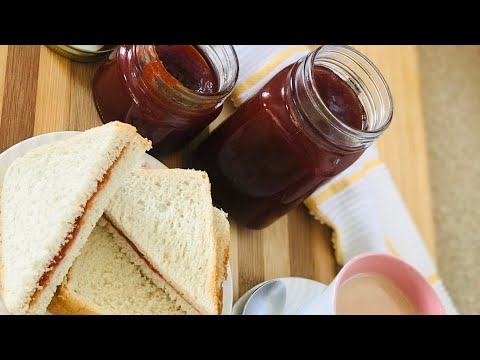
Fresh guava puree is like liquid gold in my kitchen. It will keep in an airtight container in the refrigerator for up to a week, but I prefer to freeze portions in ice cube trays. Once frozen, pop them out and store them in freezer bags. This way, you can enjoy that beautiful guava flavor for up to six months. Just imagine having a taste of summer in the middle of winter!
The uses for guava puree are endless. I add it to morning smoothies, swirl it into yogurt, use it as a base for tropical cocktails, or even as a filling for pastries. My personal favorite? A spoonful stirred into warm oatmeal with a drizzle of honey. It’s like having dessert for breakfast, but completely guilt-free!
When using frozen puree, thaw it overnight in the refrigerator for best results. A quick thaw at room temperature works too, but never use the microwave – it can affect both the texture and that precious flavor we worked so hard to preserve.
One final tip from my years of experience: label your frozen puree with the date and variety of guava used. Trust me, once you start experimenting with different varieties, you’ll want to keep track of your favorites!